Introduction to Trading Technologies
Trading technologies are fundamental to the operations of professional trading firms and proprietary trading companies. These systems encompass a wide array of tools and platforms designed to facilitate efficient, accurate, and timely execution of trades across diverse markets. Through the integration of advanced hardware, software, and network components, trading technologies enable traders to analyze market data, execute complex trading strategies, and manage risks effectively. The evolution of these systems has been driven by the increasing demands for speed, precision, and compliance in financial markets, making cutting-edge trading technologies indispensable for modern trading enterprises.
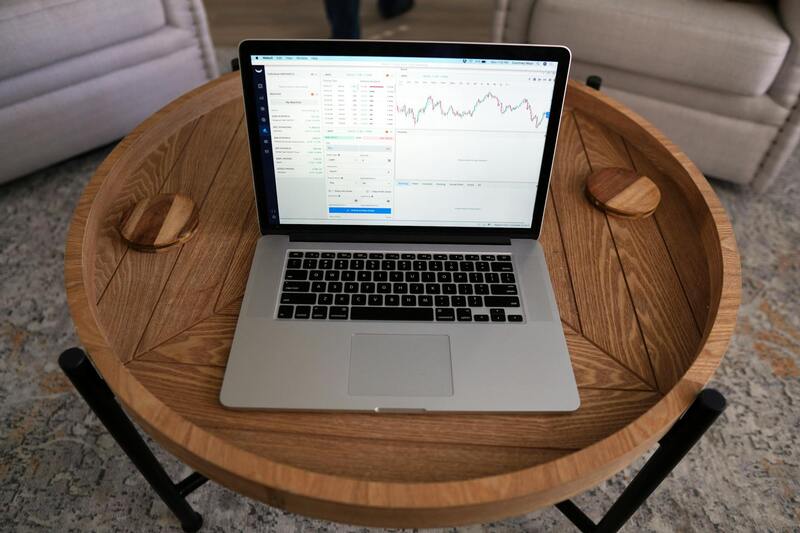
The core role of trading technologies is to convert market insights into profitable trading actions with minimal latency. This is achieved through sophisticated algorithms, high-speed data feeds, and resilient trading infrastructure. As trading environments grow more complex, the importance of reliable and scalable technology systems becomes paramount to maintain competitiveness and operational integrity. Subsequently, understanding the integral components and infrastructure of trading technologies provides insights into how trading firms establish and sustain their market presence.
Key Components of Trading Technology Systems
Trading technology systems consist of several interdependent elements that work cohesively to support seamless trading activities. These components include trading platforms, data feeds, execution management systems, and analytic tools. Each element plays a specialized role in ensuring that traders can make informed decisions and execute orders swiftly and accurately.
- Trading Platforms: User interfaces that facilitate trade execution, real-time monitoring, and account management. These may be proprietary or third-party solutions tailored to specific trading strategies.
- Market Data Feeds: Real-time streams of information about price movements, order book status, and news, critical for timely decision-making.
- Execution Management Systems (EMS): Software that routes orders to exchanges or liquidity providers, optimizing for speed and cost efficiency.
- Analysis and Algorithmic Tools: Software that employs algorithms to analyze market data and automatically generate trading signals or execute predefined strategies.
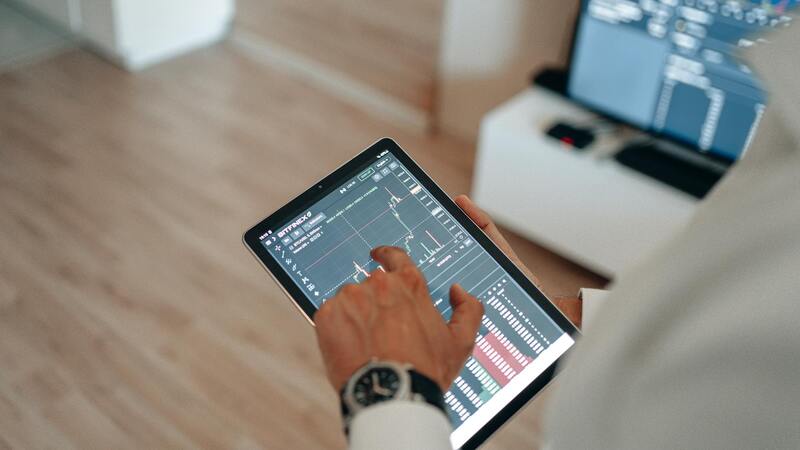
Hardware and Network Infrastructure for Trading
The backbone of any trading operation is its hardware and network infrastructure. High-performance servers, robust storage solutions, and ultra-low latency network connections are essential to process vast amounts of data swiftly. Many trading firms establish colocated servers in proximity to major exchange data centers, reducing data transmission times and enhancing execution speed. Reliable, redundant systems also ensure uninterrupted trading during peak market hours or unforeseen technical faults. Investing in such infrastructure aligns with the goal of maintaining a competitive edge through technological excellence.
Trading Algorithms and Automation
Automated trading systems rely heavily on sophisticated algorithms that analyze market conditions and execute trades without manual intervention. These algorithms are developed based on mathematical models, historical data analysis, and real-time market inputs. Automation enables trading firms to implement complex strategies such as arbitrage, market making, and statistical trading with precision and speed. The continual refinement of algorithms, combined with machine learning techniques, pushes the boundaries of automated trading capabilities.
Risk Management Technologies in Trading
Effective risk management is a cornerstone of successful trading firms. Technologies that monitor positions, enforce risk limits, and detect anomalies are embedded within trading systems. These tools include real-time P&L tracking, automated stop-loss orders, and scenario analysis modules. They assist traders and risk managers in avoiding catastrophic losses while maximizing growth opportunities. Implementing such risk controls within trading technology enhances operational stability and fosters sustainable trading practices.
Security and Compliance in Trading Systems
Security measures safeguard trading systems against cyber threats, fraud, and data breaches. Encryption, multi-factor authentication, and secure access controls are standard in protecting sensitive information. Additionally, compliance modules help trading firms adhere to regulatory requirements by automating reporting and record-keeping processes. A robust security and compliance framework in trading technologies not only protects assets but also sustains the firm's reputation and operational license.
Building and Launching a Prop Trading Firm
Establishing a proprietary trading firm involves selecting and integrating the right trading technologies. This process includes designing a scalable infrastructure, developing or licensing trading algorithms, and implementing risk and compliance systems. Once the foundational components are in place, firms conduct rigorous testing and optimization before launching live trading operations. The technological foundation sets the stage for long-term success and adaptability in dynamic markets.
Future Trends in Trading Technologies
Emerging advances in trading technology promise to further revolutionize market operations. Innovations such as artificial intelligence, blockchain integration, and quantum computing are poised to enhance speed, transparency, and data security. Additionally, the development of decentralized trading platforms and cloud-based solutions will offer greater flexibility and scalability. Staying abreast of these trends enables trading firms to remain competitive amid rapid technological transformation.
Hardware and Network Infrastructure for Trading
In the realm of trading technologies, establishing a resilient and efficient hardware and network infrastructure is paramount. High-performance servers and data centers are the backbone of fast, reliable trading operations, providing the processing power necessary for complex calculations and rapid order execution. Traders and firms often deploy dedicated servers located in close proximity to exchange data centers to minimize latency, which is critical in high-frequency trading environments.
Moreover, robust network connectivity with redundant internet connections ensures continuous operation and minimizes the risk of downtime. Low-latency fiber optic lines, alongside advanced routing hardware, optimize data transmission speeds, directly impacting the firm’s competitiveness. Setting up a secure, scalable network architecture allows for seamless data flow between trading platforms, data feeds, and external service providers.

Implementing proper cooling and maintenance protocols for hardware components extends their lifespan and maintains system reliability. Regular hardware upgrades and capacity planning are also essential to keep pace with increasing data volumes and advanced trading algorithms, ensuring operational continuity and efficiency in rapidly evolving markets.
Trading Algorithms and Automation
At the core of quantitative trading operations are sophisticated algorithms and automation systems. These algorithms analyze market data, identify trading opportunities, and execute orders at speeds unattainable by manual trading. Development involves rigorous backtesting using historical data to evaluate performance and robustness, with emphasis on risk controls embedded within the algorithms.
Automation streamlines execution, reduces human error, and allows for the implementation of complex trading strategies such as market making, arbitrage, or statistical trading. Technological platforms facilitate seamless integration between algorithmic code and execution systems, enabling real-time adjustments and optimized order flow based on prevailing market conditions.
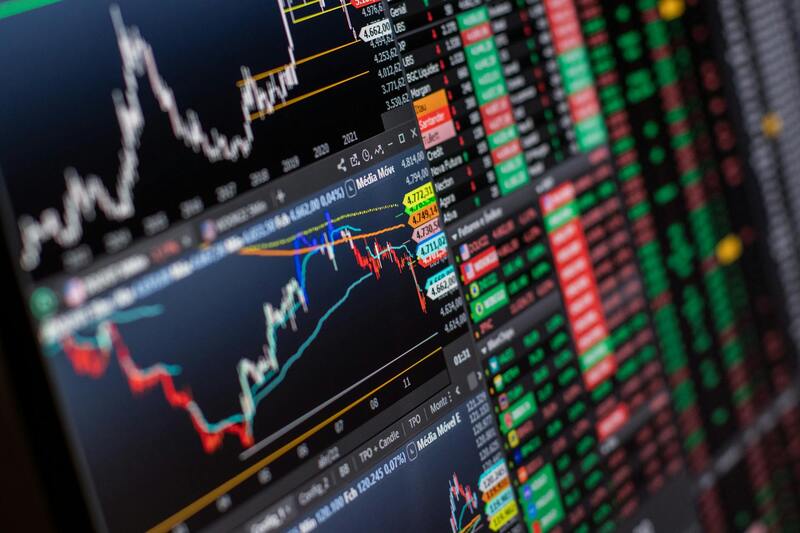
Maintaining these systems requires continuous monitoring, fine-tuning, and validation to adapt to market dynamics. Cloud-based computational resources and distributed data processing enable scaling and rapid deployment of new strategies, helping firms stay competitive in fast-changing markets.
Risk Management Technologies in Trading
Effective risk management is integral to sustaining profitable trading operations and protecting assets. Advanced risk management technologies incorporate real-time monitoring tools that track position exposures, margin levels, and potential drawdowns as trades unfold. Firms deploy automated alerts and limits to prevent excessive risk accumulation, integrating seamlessly with trading algorithms for dynamic risk controls.
Models utilizing Monte Carlo simulations, stress testing, and scenario analysis evaluate potential outcomes and optimize decision-making under stress conditions. These systems also include portfolio-level risk analytics, providing comprehensive oversight that guides traders in aligning strategies with risk appetite.
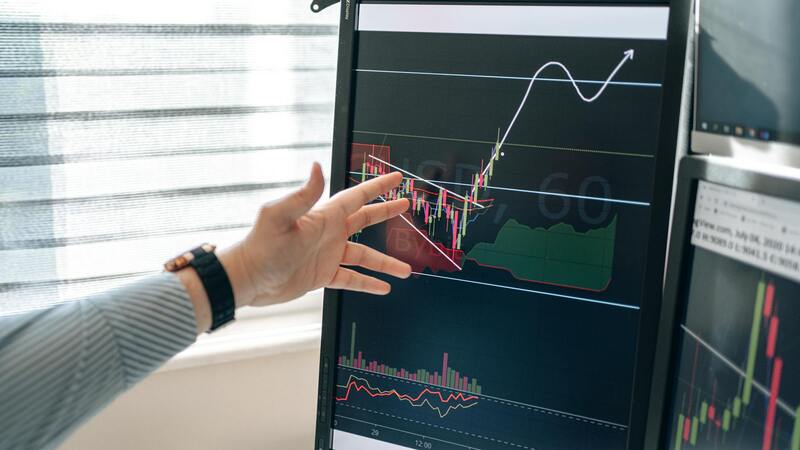
Implementing layered risk management protocols, including compliance checks and automated trade cancellations, ensures adherence to risk policies. Regular audits of system performance and risk metrics support continuous improvement and resilience in volatile trading environments.
Security and Compliance in Trading Systems
Secure trading environments rely on advanced cybersecurity measures to protect sensitive data and maintain operational integrity. Encryption protocols safeguard transaction data, while multi-factor authentication enhances access controls for trading accounts and internal systems. Intrusion detection systems monitor network activity for suspicious behavior, enabling prompt response to potential threats.
Compliance modules automate regulatory reporting and record-keeping, ensuring that trading activities adhere to the relevant standards. This integration not only streamlines compliance efforts but also reduces the risk of penalties and reputational damage. Regular security audits, vulnerability assessments, and staff training are essential components of maintaining a resilient trading infrastructure.

Firms adopting best practices in security and compliance establish a trustable trading environment, uphold operational stability, and sustain client confidence in their technological capabilities.
Hardware and Network Infrastructure for Trading
Establishing a robust hardware and network environment is fundamental to executing efficient and reliable trading operations. The hardware components must be selected based on high-performance capabilities, low latency, and scalability. Custom-built servers often incorporate high-end CPUs, extensive RAM, and fast solid-state drives to process large volumes of data seamlessly. For firms engaged in high-frequency trading, specialized hardware such as FPGA (Field-Programmable Gate Array) chips can significantly reduce trade execution times.

Network infrastructure plays a critical role in maintaining the speed and stability of trading operations. Firms typically rely on dedicated fiber optic connections to reduce latency and prevent data interference. Redundant network paths, including secondary internet links and failover servers, ensure continuous connectivity during outages, minimizing potential disruptions.
Within data centers, optimized network configurations such as low-latency switches and high-bandwidth connections facilitate rapid data transmission. Networking hardware is configured for maximum throughput, with quality-of-service (QoS) protocols prioritizing critical trading data. This infrastructure is supported by advanced firewalls and intrusion prevention systems that protect the network perimeter from external threats.
Data Center Considerations for Trading Activities
When selecting data center facilities, proximity to major trading exchanges is a primary factor, reducing the physical distance that data must travel. Many firms opt for colocated data centers within close geographic proximity to exchanges to achieve ultra-low latency connections. Data centers should also meet rigorous standards for power redundancy, cooling, physical security, and disaster recovery planning.
Furthermore, the integration of environmental controls and backup power supplies ensures the continuous operation of trading systems under any circumstances. Proper fire suppression systems, climate control, and security surveillance are vital for protecting critical hardware investments. As trading volumes grow, scaling infrastructure should be planned to accommodate increased data traffic without compromising performance or stability.
Implementing Infrastructure Best Practices
- Utilize high-performance, scalable hardware tailored to specific trading strategies and volume demands.
- Establish dedicated, low-latency network connections with multiple redundancies.
- Choose data center locations based on proximity to trading venues and access to reliable infrastructure.
- Implement comprehensive security measures at both hardware and network levels, including firewalls, encryption, and monitoring systems.
- Plan for scalability to accommodate future growth, ensuring that infrastructure enhancements do not interrupt trading activities.
Hardware and Network Infrastructure for Trading
Establishing a robust hardware and network infrastructure forms the backbone of an efficient trading operation. The choice of hardware components—such as servers, storage devices, and networking equipment—must align with the firm's trading volume and strategy requirements. High-performance CPUs, ample RAM, and solid-state drives (SSDs) are essential to process vast data streams rapidly, enabling traders to execute transactions with minimal latency.
In addition to hardware quality, network infrastructure plays a critical role. Dedicated, low-latency fiber optic connections to data centers and trading venues can significantly reduce delay, resulting in quicker order execution. Redundant network paths and failover mechanisms ensure continuous operation even during outages, safeguarding trading activity from disruptions.

Data centers hosting trading systems should prioritize proximity to major exchanges, as this reduces physical distance and minimizes data travel time. Facilities with advanced cooling systems, uninterruptible power supplies (UPS), and security protocols provide a secure environment that maintains system integrity during unforeseen events. Physical security measures such as biometric access control and surveillance cameras further enhance the protection of critical infrastructure.
Scaling infrastructure to meet growing trading demands involves strategic planning. Modular hardware configurations and flexible networking setups allow seamless upgrades. Continuous monitoring of system performance helps identify bottlenecks, enabling timely enhancements without disrupting ongoing operations.
Implementation of Infrastructure Best Practices
- Utilize high-performance, scalable hardware tailored to specific trading strategies and volume demands.
- Establish dedicated, low-latency network connections with multiple redundancies.
- Choose data center locations based on proximity to trading venues and access to reliable infrastructure.
- Implement comprehensive security measures at both hardware and network levels, including firewalls, encryption, and monitoring systems.
- Plan for scalability to accommodate future growth, ensuring that infrastructure enhancements do not interrupt trading activities.
Trading Algorithms and Automation
In the evolving landscape of trading, the deployment of advanced algorithms and automation tools forms the backbone of efficient execution strategies. These technologies leverage sophisticated mathematical models and statistical analysis to identify profitable trading opportunities with minimal latency. Automated trading systems can operate continuously, executing trades faster than manual methods and with greater precision, reducing emotional biases that often impair decision-making.
Algorithmic trading involves designing algorithms that analyze market conditions, predict price movements, and execute trades based on predefined criteria. This process requires high-level programming skills and a deep understanding of market microstructures. Strategies such as trend following, arbitrage, and market making are implemented via these algorithms, each tuned for different risk profiles and trading objectives.
Automation extends beyond algorithm deployment. Modern trading platforms incorporate features like order management systems (OMS) and execution management systems (EMS), which streamline order routing, monitoring, and reporting. These systems interface directly with various exchanges and liquidity providers, ensuring rapid and accurate order placements.
Key considerations when implementing trading algorithms include calibrating for market volatility, avoiding overfitting models to historical data, and ensuring robust risk controls are embedded within automated processes. Continuous backtesting against real-time data is critical to refine strategies and adapt to changing market conditions.
Furthermore, machine learning and artificial intelligence are increasingly integrated into trading systems, enabling adaptive algorithms that learn from ongoing market data to improve decision-making over time. These technologies facilitate pattern recognition and anomaly detection, providing traders with advanced tools for informed positions.

Introduction to Trading Technologies
Trading technologies encompass the digital tools, software, and hardware systems employed in modern financial markets to facilitate efficiency, speed, and accuracy. These systems are designed to handle a vast array of functions, from order execution and market data analysis to risk management and compliance tracking. The rapid evolution of trading platforms and infrastructure has enabled market participants to execute complex strategies with minimal latency, ensuring they remain competitive in dynamic environments. Leveraging the latest trading technologies allows firms to improve execution speed, enhance decision-making processes, and maintain comprehensive oversight over their trading activities.
Key Components of Trading Technology Systems
Fundamental to effective trading operations are various interconnected components that work in unison to deliver seamless performance. These include:
- Trading Platforms: User interfaces and software interfaces that enable traders to monitor markets, place orders, and manage positions efficiently.
- Order Management Systems (OMS): Systems that facilitate order routing, execution, and management, ensuring trades are executed precisely and in a timely manner.
- Market Data Feeds: Reliable sources of real-time market information used for informed decision-making and strategy adjustments.
- Execution Algorithms: Automated processes that determine optimal order placement, including slicing large orders, minimizing market impact, and optimizing fill prices.
- Risk Management Software: Tools that monitor trading activity, enforce risk limits, and prevent overexposure in volatile markets.
Hardware and Network Infrastructure for Trading
Optimal trading performance heavily relies on robust hardware and network infrastructure. High-performance servers and data centers, located physically close to major exchanges—often referred to as colocation—significantly reduce latency and execution delays. Traders depend on dedicated and reliable internet connections, with multiple redundancies to prevent downtime or performance degradation. Networking hardware such as low-latency switches, routers, and fiber-optic links contribute to a resilient environment capable of handling high-frequency trading activities. Proper infrastructure design ensures that trading systems operate smoothly under peak market conditions, minimizing the risk of technical failures that could lead to financial losses.

Trading Algorithms and Automation
Automation represents a core element of modern trading systems. Algorithmic strategies analyze market data and execute trades based on predefined parameters, allowing for rapid response to market movements. These algorithms can operate at speeds unattainable by manual trading, executing thousands of orders within milliseconds. Automation not only improves efficiency but also mitigates emotional biases, ensuring trades are executed based on objective criteria. Building and maintaining effective trading algorithms involves careful calibration, continuous testing, and adjustments in response to evolving market conditions. Advanced strategies incorporate machine learning models to adapt dynamically, recognizing patterns that would be difficult to detect otherwise.
Proper implementation of automation requires rigorous testing in simulated environments. Backtesting with historical data helps identify strengths and weaknesses of strategies before live deployment. Additionally, risk controls must be integrated into algorithmic processes to prevent catastrophic losses during unexpected market events. Automated trading systems should also include real-time monitoring, alerting, and the ability to halt trading operations if anomalies or technical issues arise.
Security and Compliance in Trading Systems
Ensuring the security of trading systems involves deploying robust cybersecurity measures. Encryption protocols protect sensitive data, including client information and trading algorithms. Access controls restrict system entry to authorized personnel, while intrusion detection systems monitor for malicious activities. Regular security audits and vulnerability assessments are essential to identify and mitigate emerging threats. Data backups and disaster recovery plans safeguard against data loss, maintaining operational continuity under adverse conditions.
Compliance with regulatory standards is equally critical. Automated logging capabilities facilitate audit trails, ensuring transparency and accountability in trading operations. Systems should be designed to adhere to relevant reporting requirements and risk controls mandated by market regulators. Maintaining comprehensive compliance records and implementing real-time oversight mechanisms additionally help avoid violations and penalties.

Advanced Market Access and Connectivity Solutions
Effective trading technology relies heavily on seamless market access and robust connectivity solutions. Traders and firms must establish direct connections to multiple exchanges to minimize latency and improve execution speed. This is achieved through dedicated leased lines, microwave transmission, or fiber optic cables that connect trading servers directly to exchange data centers. Such infrastructure reduces the time lag between order submission and execution, providing a competitive advantage in high-frequency trading environments.
Moreover, utilizing co-location services allows trading systems to physically position their servers within or near exchange data centers. This proximity drastically reduces transmission delays, enabling traders to capitalize on fleeting market movements. A well-optimized colocation setup involves strategic server placements, specialized hardware, and high-speed network hardware to optimize throughput and minimize latency.

Integration of Trading Platforms and APIs
Trading platforms serve as the core interface for executing trades, conducting analysis, and managing portfolios. Advanced trading systems utilize Application Programming Interfaces (APIs) that facilitate direct communication between proprietary algorithms and exchange servers. These APIs enable automated order placement, real-time data retrieval, and sophisticated risk management protocols.
Reliable API integration is essential for executing complex trading strategies and ensuring data consistency across systems. It also permits high customization, allowing traders to tailor functionalities to their specific needs. Enhancing APIs with multi-threading capabilities and error handling improves system robustness, providing stability during volatile market conditions.
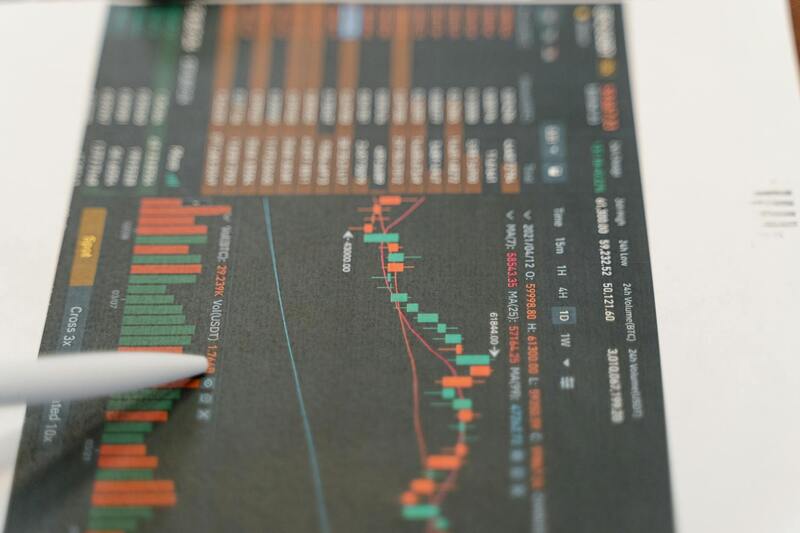
Data Management and Market Data Feeds
Accurate and timely data is fundamental to effective trading decisions. Modern trading systems incorporate comprehensive data management modules that aggregate, standardize, and analyze market data feeds from multiple sources. High-quality data feeds provide real-time price quotes, order book information, and news events critical for informed decision-making.
Implementing low-latency data processing infrastructure ensures that traders receive updates instantly, which is especially important for scalping and high-frequency strategies. Additionally, robust database systems are employed to store historical data, enabling backtesting and strategy refinement based on past market behavior.

Comprehensive Monitoring and Performance Optimization
Trading technology must include real-time monitoring systems that oversee all operational components, from network health to algorithm performance. These monitoring tools provide alerts for system anomalies, latency spikes, or transaction failures, allowing traders to respond swiftly and minimize potential losses.
Performance optimization involves continuous assessment of system components, including hardware utilization, network throughput, and software efficiency. Regular updates and hardware upgrades ensure the infrastructure remains capable of handling increasing trading volumes and sophisticated algorithms.
Furthermore, implementing scalability measures—such as cloud-based resources—allows trading systems to expand seamlessly, accommodating future growth and technological advancements.
Building and Launching a Proprietary Trading Firm
Establishing a proprietary trading firm requires a strategic approach to integrating advanced trading technologies that support operational efficiency, compliance, and competitive edge. The process begins with selecting the right trading infrastructure, which includes high-performance hardware, reliable network connections, and advanced trading software. Compatibility and scalability are essential, ensuring that the firm can adapt to evolving market conditions and technological advances.

Investors and traders must prioritize constructing a secure and robust environment that minimizes downtime while maximizing speed and precision. This involves deploying dedicated servers located in proximity to major exchange data centers to achieve low latency access to market data and order execution capabilities. Additionally, implementing redundancy in network paths and power supplies safeguards against potential disruptions, ensuring 24/7 operational continuity.
Core to a trading firm's technological foundation is the development or acquisition of trading algorithms tailored to specific trading philosophies and strategies. These algorithms, often crafted by quantitative analysts or trading specialists, require sophisticated backtesting capabilities to evaluate performance across historical data sets. Once optimized, these strategies are deployed into the live environment with continuous monitoring and adjustment processes to maintain their edge in fast-paced markets.
Establishing Proper Risk Management Tools
Effective risk management is integral to sustaining a firm's profitability and stability. Trading technologies offer advanced risk control modules that monitor exposure levels, enforce order limits, and automate stop-loss or take-profit tactics. Integrating real-time analytics into the trading platform enables traders to receive instant insights into position risks, margin requirements, and potential drawdowns, empowering them to make informed decisions swiftly.
Implementing Compliance and Security Measures
Operational security and compliance frameworks are vital to safeguarding client and firm data, preventing unauthorized access, and ensuring adherence to trading regulations. Technologies such as encryption, multi-factor authentication, and intrusion detection systems form the backbone of security architecture. Regular audits, transaction monitoring, and comprehensive logging are employed to detect irregular activities and maintain transparent records for audits and regulatory reviews.
Leveraging Cloud and Data Analytics
In addition to on-premise setups, many prop trading firms incorporate cloud-based solutions to enhance scalability and flexible resource allocation. Cloud computing facilitates rapid deployment of new trading strategies, data storage, and backups without significant capital expenditure. Data analytics tools process vast streams of market data, extracting actionable insights that inform trading decisions, optimize strategies, and improve overall system efficiency.

Building a successful prop trading firm depends heavily on a rigorous selection of trading technologies that align with strategic objectives. Balancing cutting-edge hardware, innovative algorithms, robust risk controls, and security measures creates a resilient environment primed for competitive advantage. Implementing these official and legitimate methodologies ensures that technological infrastructure contributes positively to sustained growth and profitability in dynamic financial markets.