Understanding Prop Firms and Their Business Model
Proprietary trading firms, commonly known as prop firms, serve as specialized entities that enable professional traders to utilize the firm’s capital to execute trades across various financial markets. These firms are distinct from traditional financial institutions because their primary purpose is to generate profit through the trading activities of their personnel. Unlike retail traders operating independently with personal funds, traders within a prop firm access larger pools of capital, often allowing for greater market exposure and potential profit opportunities.
The core business model of a prop firm revolves around providing skilled traders with the necessary infrastructure, trading accounts, and capital, in exchange for a share of the profits they generate. This arrangement creates a symbiotic relationship: traders gain access to substantial trading funds and advanced technology, while prop firms benefit from the profit-sharing structure without exposing themselves to the full risk of individual trades.

Establishing a proprietary trading business offers multiple advantages, including the ability to scale trading activities with limited personal capital, access to sophisticated trading tools, and a platform to refine professional trading skills. For individuals interested in constructing a sustainable prop firm, understanding the fundamental principles behind how these entities operate is vital. While traders seek to leverage larger positions and diverse market opportunities, firms aim to optimize trading strategies, implement robust risk management protocols, and ultimately achieve consistent profitability.
The business model emphasizes disciplined trading practices, comprehensive risk controls, and continuous performance evaluation. A successful prop firm often differentiates itself through innovative trading algorithms, efficient capital allocation, and strong trader support systems. Additionally, fostering a collaborative environment with ongoing training and strategic development helps ensure that traders perform effectively and align with the firm’s overall financial targets.
By aligning the interests of traders and the firm’s ownership, prop companies can generate competitive advantages in various markets, including forex, commodities, equities, and options. This synergy hinges on transparency, adherence to best practices, and adherence to established trading protocols which ensures a consistent generation of revenue and long-term viability of the enterprise.
Overall, building a prop firm involves understanding how to provide optimal trading conditions, a supportive infrastructure, and effective risk management, all while maintaining transparent operational practices that foster trust and profitability.
Legal and Regulatory Considerations
Establishing a build prop firm necessitates a comprehensive understanding of the legal and regulatory landscape that governs financial trading entities. While explicit licensing requirements may vary depending on jurisdiction, adhering to established protocols ensures operational integrity and fosters trust with stakeholders. This includes registering the business with appropriate financial authorities, maintaining transparent operational records, and implementing internal controls that align with industry standards.
It is vital to draft clear policies and procedures that govern trading activities, risk management protocols, and compliance measures. Engaging legal experts to review operational frameworks can prevent conflicts and legal issues down the line. Moreover, establishing transparent agreements with traders outlining profit-sharing arrangements, trading rules, and compliance obligations helps create a structured environment conducive to sustainable growth.

In certain regions, specific certifications or registrations may be mandated for entities functioning within the financial sector. Understanding these requirements not only helps avoid potential penalties but also reinforces the firm’s credibility with potential traders, investors, and regulatory bodies. Continual monitoring of regulatory changes and participation in industry forums further ensures the firm’s practices remain current and compliant.
Implementing Robust Internal Controls
- Develop comprehensive compliance policies aligned with industry standards
- Establish clear procedures for reporting and auditing trading activities
- Maintain detailed records of all transactions and communications
- Regularly train staff and traders on compliance updates and ethical standards
By taking these steps, a prop firm establishes a secure operational environment that upholds transparency and fosters long-term partnerships. When legal frameworks are integrated into the core business practices, they serve as a protective layer that supports growth, innovation, and reputation management within the competitive trading landscape.
Insurance and Risk Mitigation Strategies
In addition to compliance measures, investing in appropriate insurance coverage can mitigate unforeseen liabilities. Risk mitigation encompasses not only protecting assets but also implementing advanced monitoring tools that detect irregular trading patterns and potential fraud. These measures contribute to a resilient business structure capable of navigating volatile market conditions while safeguarding client and company interests.
Understanding Prop Firms and Their Business Model
Proprietary trading firms, commonly known as prop firms, operate as financial entities that trade with their own capital rather than client funds. These firms leverage advanced trading strategies and cutting-edge technology to generate profits across various financial markets, including equities, forex, commodities, and derivatives. The core of their business model revolves around employing skilled traders or automated systems to maximize returns while managing risk effectively.
Typically, prop firms provide traders with access to proprietary capital under specific trading conditions. In return, traders often share a percentage of their profits as part of the firm's revenue model. This structure incentivizes traders to perform at high levels while aligning their interests with the firm's overarching goal of sustainable profitability. The firm’s revenue streams depend heavily on successful trading operations, disciplined risk management, and an efficient use of technological infrastructure.
Furthermore, these firms often establish rigorous evaluation and funding processes for traders to ensure only qualified individuals gain access to trading capital. This approach minimizes risks and maintains the firm’s stability and integrity within the dynamic financial environment. A well-structured prop firm combines robust risk controls, innovative strategies, and transparency to build a strong reputation and maintain competitive advantage in the industry.

Initial Planning and Market Research
Before venturing into building a prop trading firm, conducting thorough market research is essential. This process involves analyzing existing competitors, understanding industry trends, and identifying gaps or opportunities within the financial sector. A detailed market assessment enables aspiring entrepreneurs to define their target markets, choose suitable trading niches, and develop unique value propositions that distinguish their firm from others.
Key aspects of initial planning include defining the firm's mission, setting clear objectives, and establishing operational frameworks. It is crucial to evaluate potential sources of capital, determine the scope of trading activities, and outline the technical requirements needed for efficient operations.
- Assess industry competition and identify core strengths.
- Research regulatory standards and compliance requirements.
- Identify target markets and preferred trading instruments.
- Evaluate technological infrastructure needs and cost implications.
- Develop financial projections and risk management strategies.
This comprehensive planning phase lays the groundwork for a scalable and sustainable prop firm, helping to mitigate risks associated with market entry and operational setup.

Legal and Regulatory Considerations
Establishing a build prop firm involves careful attention to legal frameworks and regulatory standards that govern financial activities. It is essential to ensure compliance with holding requirements, licensing norms, and operational guidelines pertinent to the region of operation. Setting up legal entities such as corporations or LLCs provides a clear structure for liabilities and operational responsibilities. This step also involves drafting comprehensive operational agreements, privacy policies, and trading policies to define roles, responsibilities, and procedures for traders within the firm.

Understanding the scope of necessary compliance measures helps in establishing a trustworthy reputation and smooth operational flow. Licensing procedures often include submitting detailed business plans, financial statements, and proof of capital adequacy. In addition, maintaining ongoing compliance involves regular audits, reporting to regulatory bodies, and implementing internal controls that align with standardized procedures.
Having a dedicated legal team or consulting with legal experts specializing in financial regulation can significantly streamline the compliance process. It ensures that all documentation is accurate, deadlines are met, and the firm's activities stay within the designated regulatory parameters. This proactive approach minimizes disruptions and enhances the firm's credibility among traders and partners.
The legal setup also encompasses issues related to intellectual property, such as securing trademarks for the firm’s branding and proprietary trading algorithms. Protecting these assets through legal avenues supports long-term stability and competitive positioning.

Part of this process involves developing policies that mitigate legal risks, including anti-fraud measures, data security protocols, and dispute resolution mechanisms. Ensuring that these policies are aligned with industry best practices facilitates transparency and trustworthiness, which are critical for sustained growth and operational integrity.
While different regions have varying requirements, establishing a clear understanding of the legal landscape is paramount. This foundation not only safeguards the firm against potential legal issues but also fosters an environment of responsible trading and corporate accountability, key components for building a reputable prop trading enterprise.
Developing Robust Trading Strategies and Risk Management Protocols
Establishing effective trading strategies is fundamental to building a reputable and sustainable prop firm. These strategies should be tailored to the firm's specific market focus, whether it involves equities, forex, commodities, or derivatives. They need to be developed through comprehensive analysis of market patterns, historical data, and current economic indicators. This analytical foundation provides the basis for informed decision-making, minimizing impulsive trades and optimizing profitability.
In addition to crafting strategies, risk management plays a critical role in preserving capital and ensuring long-term viability. Rigorous risk management protocols include setting strict position size limits, stop-loss orders, and profit targets aligned with the firm’s risk appetite. These measures serve as safeguards against unforeseen market volatility that could otherwise lead to substantial losses.

Developing standardized trading checklists and operational procedures supports traders in maintaining consistency and discipline. These procedures should include pre-trade analysis, post-trade review, and continuous performance evaluation. Regular backtesting of strategies on historical data helps refine tactics, identify weaknesses, and adapt to changing market conditions.
Moreover, traders must be educated on the importance of emotional discipline and decision-making under pressure. Creating a comprehensive training program ensures that all team members understand risk parameters and are capable of executing strategies confidently. Simulation environments can be used to test new strategies without risking real capital, providing valuable experience and insight before live deployment.
By integrating technology, firms can implement automated trading systems and algorithmic strategies that adhere to predefined risk parameters. Automated systems reduce human error and enable rapid execution, which is essential in volatile markets. Continuous monitoring and performance analysis of these systems can reveal patterns and anomalies, guiding further optimization and adjustment.
- Design and backtest trading strategies regularly to adapt to market dynamics.
- Define clear risk parameters for all trading activities.
- Utilize technology for automation and real-time monitoring.
- Educate traders on risk and emotional discipline through training programs.
- Implement strict compliance with established trading protocols.
Developing a Robust Funding Strategy and Structuring Capital for Build Prop Firms
Establishing a strong funding foundation is critical for the success of a build prop firm. This involves creating a well-thought-out capital structure that balances initial investment, ongoing operational costs, and contingency reserves. Typically, the funding process begins with founders or key stakeholders pooling resources or securing external capital through reputable investors who understand the firm's operational model.
When considering capital sources, transparency and clarity regarding usage, profit-sharing, and risk management are paramount. A transparent structure ensures that all stakeholders have aligned expectations, which is vital for sustainable growth. The capital structure should also include provisions for reinvesting profits into the firm, which allows for continuous expansion and technology upgrades.
To attract and retain funding, build a compelling narrative around the firm's trading strategy, risk controls, and growth prospects. Detailed financial projections, backed by data-driven performance metrics, help in convincing investors of the firm's viability.
Furthermore, many prop firms leverage leverage carefully—using borrowed capital within predefined risk parameters—to amplify trading positions without overextending. Implementing rigorous oversight on leverage levels helps to mitigate potential drawdowns.
In terms of operational management, segregating capital into different pools can help in risk containment and performance measurement. For example, maintaining separate accounts for different trading algorithms or strategies offers clearer insights into their effectiveness and risk profile.
The continuous evolution of funding models, including partnerships or fractional ownership structures, can provide scalability options. Structuring these arrangements with clear legal agreements and well-defined profit-sharing mechanisms ensures smooth operation and clear accountability.

Developing a Robust Trading Infrastructure and Technology Systems
Establishing a reliable and efficient trading infrastructure is fundamental for the success of build prop firms. This involves selecting, implementing, and maintaining technology systems that enable traders to execute strategies seamlessly while ensuring data integrity, security, and compliance with industry standards.
At the core, the trading platform must support rapid order execution, real-time data analysis, and integration with multiple markets and asset classes. Many firms opt for customizable platforms that can be tailored to specific trading strategies and risk management processes. Connectivity to global exchanges through low-latency connections minimizes delays, giving traders a competitive edge.
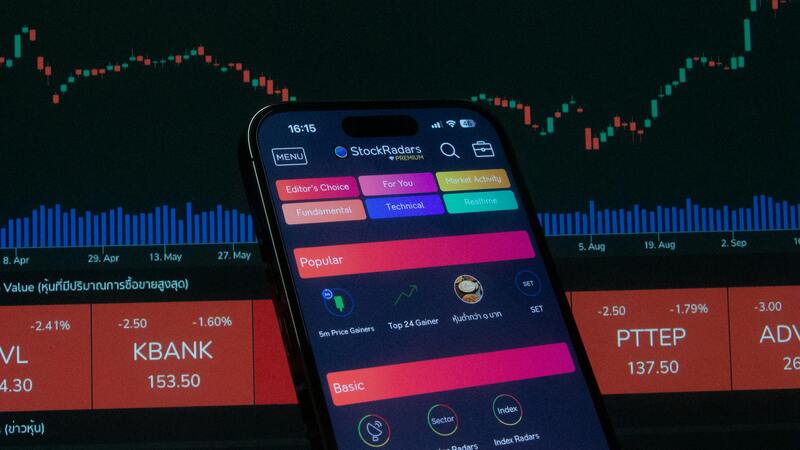
Security protocols play a critical role in protecting sensitive data and preventing unauthorized access. Implementing encryption, multi-factor authentication, and regular security audits helps safeguard the firm's technological assets and client information.
Data Management and Analytical Tools
Effective data management systems are essential for analyzing historical and real-time market data. Advanced analytical tools and custom dashboards provide traders with insights necessary to refine strategies and identify emerging opportunities.
- Real-time market monitoring systems
- Backtesting platforms to evaluate strategy performance
- Automated alert systems for sudden market movements
- Comprehensive analytics for evaluating trader performance
Automation and Algorithm Development
Automation technologies streamline trading operations, allowing for rapid execution of complex strategies. Developing robust algorithms requires a combination of quantitative analysis, programming expertise, and continuous refinement based on market feedback.
Implementing automated trading systems reduces human errors, improves execution speed, and enables scalability. Firms often employ dedicated in-house teams or partner with specialized technology providers to develop and maintain these systems.
Operational Systems and Compliance Tools
Operational efficiency is bolstered by integrated systems for trade documentation, audit trails, and compliance monitoring. These tools ensure that all trading activities align with regulatory requirements and internal risk policies, fostering transparency and accountability across the organization.
Integrating these technological components into a cohesive ecosystem ensures that building a prop firm not only meets current operational demands but remains adaptable to future technological advancements and market evolutions.
Implementing Official Funding Programs and Partnership Strategies
To establish a sustainable and scalable build prop firm, it is essential to secure official funding channels and form strategic partnerships that enhance financial stability and operational capacity. Engaging with reputable financial institutions or institutional investors provides a strong foundation for capital infusion, enabling the firm to participate effectively in various markets. These collaborations often involve detailed due diligence and compliance to ensure transparency and mutual benefit. Establishing such partnerships can also open doors to co-investment opportunities, shared resources, and technological support, all of which contribute to the firm’s growth trajectory.

Approaching established investors or funds that specialize in proprietary trading can enhance credibility and provide access to diversified sources of capital. Many successful prop firms opt to create dedicated relationships with venture capital firms or hedge funds that understand the nuances of trading and risk management. These entities can offer not just capital, but also valuable mentorship and strategic advice, guiding the firm through various phases of development and expansion.
Adopting a Rigorous Compliance and Continuous Improvement Framework
To sustain a build prop firm adhering to official channels, implementing a comprehensive compliance framework is paramount. This includes continuous monitoring of trading activities, adherence to industry standards, and regular audits to ensure proper documentation and risk mitigation. Maintaining transparency with regulators and stakeholders elevates the firm's trustworthiness and operational integrity.
Furthermore, fostering a culture of continuous improvement involves regular training, updating trading algorithms based on market feedback, and integrating technological innovations. Utilizing advanced analytics and performance metrics helps identify areas for enhancement, fostering agility within the firm’s operational model. This disciplined approach to compliance and improvement enhances long-term viability.
Employing Strategic Marketing and Talent Acquisition
Building a qualified team of traders and support staff is fundamental for a successful prop firm. Recruitment should focus on individuals with proven trading records, analytical prowess, and risk management expertise. Offering competitive compensation packages aligned with performance can attract top talent.
Strategic marketing efforts, within the bounds of regulatory guidelines, are crucial for attracting skilled traders and investors. Highlighting the firm’s technological capabilities, risk management procedures, and success stories can bolster reputation and credibility in the industry. Networking within trading communities and attending industry conferences can also facilitate connections with potential traders and strategic partners.
Prioritizing Ethical Standards and Transparency
Maintaining high ethical standards and transparent communication is fundamental for the reputation and operational success of a prop firm. Clear policies regarding trading conduct, conflict resolution, and client relations foster trust among stakeholders. Transparency about trading strategies, risk management practices, and performance metrics reassures investors and partners of the firm’s integrity.
Utilizing Automated Systems for Compliance and Performance Tracking
Advanced automation tools can be employed to streamline compliance checks, monitor trading activity in real-time, and generate reports aligned with regulatory requirements. These systems enable quick identification of anomalies or violations, allowing prompt corrective action. Investing in such technology not only enhances operational efficiency but also reinforces the firm’s reputation for integrity and professionalism.