Understanding What a Proprietary Trading Firm Is
A proprietary trading firm, commonly referred to as a prop firm, operates as a business entity that trades financial instruments using its own capital rather than client funds. Unlike traditional brokerage firms that generate revenue primarily through commissions and fees from clients, prop firms focus on their own trading strategies to generate profits. They often employ professional traders, who are compensated partly through profit-sharing arrangements, incentivizing performance and skillful decision-making.
The core purpose of a prop firm is to leverage advanced trading methodologies and cutting-edge technology to capitalize on market opportunities. The structure of a prop firm typically entails a team of traders, analysts, risk managers, and support staff working collaboratively to develop and execute trading strategies across diverse financial markets, including equities, forex, commodities, and derivatives.

One of the distinguishing features of a prop firm is its emphasis on strategic risk management and disciplined trading practices. By deploying capital internally, the firm maintains strict controls over risk exposure, ensuring the sustainability and growth of its trading activities. This internal capital allocation allows for greater flexibility and innovation compared to firms that depend on client funds, enabling quicker adaptation to market changes and new trading opportunities.
Starting a prop trading firm involves establishing a dedicated legal business entity, acquiring necessary infrastructure, and cultivating a team of skilled traders. It demands comprehensive planning, disciplined capital management, and an understanding of the technical and strategic aspects of trading. When executed correctly, a proprietary trading firm can become a highly profitable enterprise capable of navigating complex market conditions while maintaining robust risk controls.
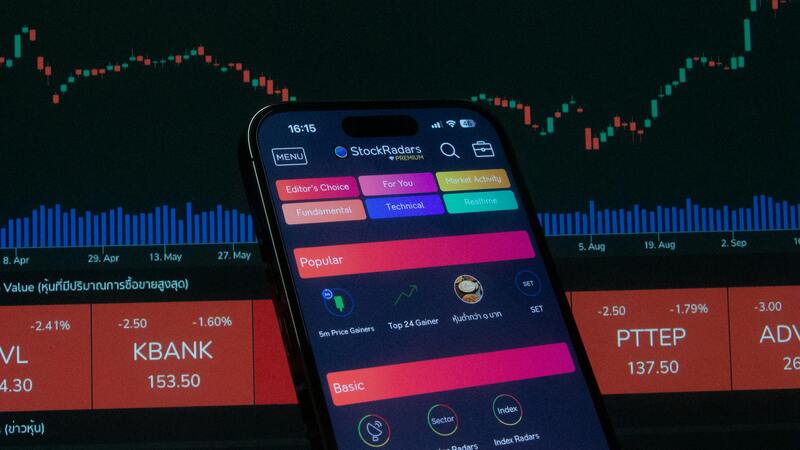
Building your prop firm also involves an ongoing process of research and development, ensuring your strategies remain competitive and aligned with market dynamics. The overall goal is to create a sustainable trading operation capable of leveraging market volatility and inefficiencies to generate consistent profits for the firm and its traders.
Understanding what a proprietary trading firm is
A proprietary trading firm, commonly known as a prop firm, is a company that allocates its own capital to engage in financial market trading. Unlike firms that manage client funds, prop firms operate with internal resources, focusing on generating profits through strategic trading activities. This model allows for greater control over trading operations and fosters an environment where innovative strategies can be tested and implemented directly, without external restrictions.
Key characteristics of a prop trading firm include disciplined risk management, sophisticated trading infrastructure, and a team of skilled traders who execute strategies across various asset classes, such as equities, futures, options, and forex. The firm’s success hinges on its ability to develop and refine trading algorithms and methodologies that capitalize on market inefficiencies. By maintaining a robust internal capital base, a prop firm can quickly adapt to changing market conditions and exploit short-term opportunities that require rapid decision-making and execution.

Establishing a profitable prop trading operation involves several vital stages: forming a legal entity, developing a reliable trading infrastructure, recruiting talented traders, and establishing disciplined operational procedures. This process demands a clear understanding of financial markets, technical expertise, and a strategic approach to risk and capital management. The goal is to create a resilient trading ecosystem capable of navigating complex and volatile environments while consistently generating returns.
Moreover, prop firms often leverage proprietary algorithms and quantitative models, which require continuous development and rigorous testing. Such technological integration enhances trading precision and helps in adapting strategies according to evolving market dynamics. The competitive edge of a prop trading enterprise rests on its ability to innovate swiftly and execute efficiently under varying market conditions.

Building your prop firm is not an overnight process but an ongoing journey of strategic development and operational excellence. It necessitates a disciplined approach to research, strategy formation, and technological advancement. Properly executed, it offers the potential for significant financial returns and a sustainable trading enterprise capable of thriving amid market complexities.
Understanding what a proprietary trading firm is
A proprietary trading firm, often referred to as a prop firm, is an organization that uses its own capital to execute trading strategies across various financial instruments, including stocks, forex, commodities, and derivatives. Unlike traditional investment firms that manage client funds, prop firms deploy their resources to generate profits through direct market participation. The core advantage of operating a prop trading firm lies in the ability to leverage significant capital, enabling traders to take larger positions and manage risk more effectively. These firms emphasize employing advanced algorithms, quantitative analysis, and disciplined risk management processes to maximize profitability. Additionally, a key aspect of a successful prop firm involves cultivating a team of skilled traders who are adept at adapting to shifting market conditions. Establishing a proprietary trading enterprise requires an in-depth understanding of financial markets, robust risk controls, and technological innovation. By maintaining a strategic balance of capital deployment and operational discipline, prop firms aim to create a resilient trading environment capable of navigating complex and unpredictable market landscapes. The motivation is not only to generate immediate profits but also to sustain long-term growth through continuous optimization and technological advancement.

The Role of Innovation in Prop Trading
Innovation is at the heart of successful proprietary trading. Firms strive to develop and refine proprietary algorithms, harness quantitative models, and incorporate cutting-edge technologies to improve trading accuracy and execution speed. This constant pursuit of technological advancement allows prop firms to stay ahead of market trends and capitalize on emerging opportunities. By integrating machine learning, data analytics, and high-frequency trading techniques, a prop firm's capacity to execute strategic trades with precision is significantly enhanced. These technological tools also facilitate better risk assessment, enabling traders to fine-tune their strategies in real time. The competitive nature of the prop trading ecosystem emphasizes the importance of continuously testing new strategies and adapting swiftly to shifting market dynamics. As a result, technological innovation and rigorous testing protocols are fundamental components of building a profitable and sustainable prop firm.
Building and Maintaining a Trading Infrastructure
A reliable trading infrastructure forms the backbone of a successful prop firm. This encompasses advanced trading platforms, secure data storage solutions, and high-speed connectivity to global markets. Ensuring that all technology components work seamlessly is crucial for executing trades efficiently and managing risk effectively. Implementing robust security protocols safeguards proprietary algorithms and sensitive financial data from cyber threats. Furthermore, a resilient infrastructure minimizes downtime and latency, ensuring traders can respond swiftly to market movements. Aside from technological setup, building a team of technical experts—including developers, data analysts, and risk managers—is essential. This team collaborates to optimize trading systems, analyze performance metrics, and implement necessary upgrades. A well-developed infrastructure not only enhances operational efficiency but also provides a scalable platform for future growth and strategy refinement.
Developing a Business Plan for Your Prop Firm
Creating a comprehensive business plan is a critical step in building a structured and sustainable proprietary trading firm. This plan serves as a roadmap, guiding operational strategies, financial management, compliance measures, and growth objectives. A detailed business plan not only helps to clarify your vision but also assists in attracting potential investors and partners who share your strategic goals.
Key components of an effective business plan for a prop trading firm include:
- Executive Summary: This section provides a high-level overview of your firm’s mission, core objectives, and the unique value proposition that differentiates your firm from others in the industry.
- Market Analysis: Conduct in-depth research into current market conditions, identifying trading opportunities, target asset classes, and industry trends. Understanding the competitive landscape enables you to position your firm effectively.
- Trading Strategies: Define the specific trading methodologies your firm will employ, whether algorithmic, discretionary, or a combination of both. Emphasize the rationale behind chosen strategies, backed by data and prior performance metrics.
- Risk Management Protocols: Detail procedures for managing financial risk, including position sizing, stop-loss rules, and stress testing techniques. Strong risk controls ensure long-term sustainability and protect capital assets.
- Capital Allocation: Outline the initial capital requirements, sources of funding, and planned deployment. Clear financial planning helps in ensuring sufficient liquidity for trading operations and contingency funds.
- Operational Infrastructure: Describe the technological setup, software platforms, and data management systems that underpin trading activities. Emphasize the importance of scalability and reliability in these systems.
- Legal and Regulatory Framework: Define the legal structure of your firm and the compliance measures necessary to adhere to relevant regulations and standards. This includes licenses, contractual arrangements, and data security protocols.
- Growth Strategy: Detail plans for scaling your firm, whether through expanding asset classes, increasing capital, or entering new markets. Include performance benchmarks and milestone targets to measure progress.

Remember, an adaptable and regularly reviewed business plan can navigate your firm through evolving market environments and technological advancements, ensuring resilience and sustained profitability.
Securing funding and capital for your trading firm
Building a robust capital foundation is essential for the success of your prop trading enterprise. Securing sufficient funding enables you to execute diverse trading strategies, absorb market fluctuations, and comply with trading regulations that often demand minimum capital thresholds. There are multiple effective pathways to raise initial funds, each with its own advantages based on your current resources, network, and long-term vision.
One primary avenue is personal savings, where traders leverage their own financial resources to start operations. This approach demonstrates a strong personal commitment and can streamline the initial setup process. However, it requires careful assessment of risk tolerance, given the potential for losses during early trading phases.
Entering into agreements with private investors or venture capital partners can also bolster your capital reserves. These partnerships provide not only funding but also access to expertise and strategic advice. Establishing clear terms and transparent reporting standards enhances investor confidence and fosters long-term cooperation.
Another increasingly popular option involves forming strategic alliances through trading partnerships or syndicates. These arrangements pool resources from multiple traders or investors, allowing for larger trading positions and diversified risk management. The key is to find partners whose trading philosophies align with your firm’s strategy, ensuring cohesive operational dynamics.
Furthermore, some entrepreneurs secure funding via specialized funding platforms designed for prop trading startups. These platforms often facilitate connections with accredited investors looking to diversify their portfolios through high-potential trading ventures. Thorough due diligence and well-structured proposals are integral when approaching these sources.

Regardless of the source, maintaining transparent financial records and demonstrating consistent trading performance are critical in attracting continuous support. Properly documenting your trading methodology, risk management protocols, and past results reassures investors and partners of your firm’s credibility and potential for growth. Establishing these relationships as early as possible provides a solid foundation for scaling operations and expanding your trading capacity over time.
It is also wise to allocate capital strategically, ensuring liquidity remains sufficient for daily trading needs and unforeseen market events. A well-funded firm can leverage its financial strength to seize emergent opportunities, diversify its portfolio, and implement advanced trading strategies without overextending resources.
Setting Up Effective Trading Operations and Infrastructure
After securing initial funding and assembling a capable team, establishing a robust technological infrastructure is fundamental for the success of your prop trading firm. Reliable trading platforms, advanced analytics tools, and secure data management systems form the backbone of daily operations. Selecting the right trading platforms involves evaluating their execution speed, customization capabilities, and compatibility with your chosen trading strategies. Ensuring that your infrastructure can support high-frequency trading, automated strategies, and real-time risk monitoring is crucial for maintaining competitive advantage.

Implementing high-quality data feeds and connectivity solutions guarantees access to timely market information, allowing traders to react swiftly to market movements. Establishing secure data storage and backup protocols safeguards your firm's data integrity and compliance with operational standards. Additionally, integrating trading algorithms with your selected platforms facilitates automation, enabling consistent execution of strategies while reducing emotional biases and human errors.
Choosing the Right Technology Stack
The technological stack should be scalable and adaptable to accommodate growth and evolving market conditions. Cloud-based solutions offer flexibility and cost efficiency, especially during expansion phases. Additionally, consider investing in risk management software that provides real-time alerts, position tracking, and detailed analytics to monitor your trades effectively. Enhanced cybersecurity measures protect your trading data and private client information from cyber threats, supporting long-term stability and trustworthiness.
Staff Training and Workflow Optimization
Equipping your team with comprehensive training on trading platforms, risk management protocols, and compliance standards ensures operational efficiency. Developing clear workflows and standard operating procedures optimizes processes such as trade execution, order management, and performance review. This systematic approach not only minimizes operational errors but also fosters a disciplined trading environment conducive to consistent results.
Implementing Monitoring and Compliance Systems
Regular system audits and performance assessments help identify vulnerabilities and opportunities for process improvement. Automated compliance monitoring tools aid in adhering to industry standards and internal policies, reducing the risk of procedural breaches. Transparent record-keeping and data logging support internal reviews and facilitate audits, reinforcing the integrity and professionalism of your trading operations.

Developing the Right Infrastructure for Your Prop Firm
Building a robust technological foundation is essential for the seamless operation of your proprietary trading firm. Reliable, secure, and efficient trading platforms enable traders to execute strategies swiftly and accurately. Integrating high-quality data feeds ensures that your team has access to real-time market information, which is critical for making informed trading decisions. Investing in a resilient IT infrastructure minimizes downtime and enhances overall performance, providing a competitive edge in fast-paced trading environments.

Essential Components of Your Trading Infrastructure
- Trading software: Select platforms known for stability, speed, and customization capabilities tailored to your trading strategies.
- Data feeds: Secure access to real-time market data allows traders to execute timely and accurate trades.
- Servers and connectivity: High-performance servers, ideally colocated or in proximity to key exchanges, reduce latency and improve execution times.
- Risk management tools: Software that monitors positions, calculates margins, and alerts traders to potential exposure helps control risk effectively.
- Security systems: Firewalls, encryption, and intrusion detection protect sensitive data and trading algorithms from cyber threats.
Implementing Effective Communication and Data Management
Robust communication channels ensure smooth coordination between team members and real-time updates. Cloud-based solutions facilitate remote access and collaboration, especially as your firm scales. Efficient data management systems allow for comprehensive record-keeping, performance tracking, and compliance reporting, essential for maintaining operational transparency and accountability.
Testing and Optimizing Your Infrastructure
Prior to going live, rigorous testing of your technology stack should be conducted to identify bottlenecks and vulnerabilities. Conduct simulation trades to evaluate system responsiveness and reliability under various market conditions. Regular maintenance and updates are necessary to adapt to evolving technological standards and market complexities. This ongoing process ensures your infrastructure remains resilient, secure, and capable of supporting your firm's growth trajectory.

Conclusion
A well-planned and meticulously implemented technological infrastructure forms the backbone of a successful prop trading firm. By focusing on quality software, secure data feeds, and resilient hardware, you ensure operational efficiency and security. Regular assessments and updates will enable your firm to stay ahead in a rapidly evolving trading landscape, fostering sustained growth and stability.
Optimizing Operations and Ensuring Long-term Growth
Once your prop trading firm has been established with a solid foundation in technology, team structure, and capital, the focus shifts towards optimizing daily operations and strategic scaling. Continuous evaluation of trading performance, operational efficiency, and market adaptability is key to sustaining growth and maintaining competitive advantage.
Implementing Robust Performance Monitoring and Data Analytics
Accurate, real-time data collection and analysis form the core of effective decision-making. Integrating advanced analytics tools can provide insights into trading patterns, risk exposure, and profitability metrics. Regular performance reviews help identify strengths and areas for improvement, allowing for timely adjustments to strategies and risk management protocols.

Enhancing Risk Management Frameworks
As trading volumes grow, so does the importance of sophisticated risk management protocols. Establishing clear limits on position sizes, stop-loss orders, and daily loss thresholds protects the firm’s capital and ensures resilience against market volatility. Incorporating automated risk alerts and regular stress testing further enhances the firm's ability to prevent significant drawdowns.
Scaling the Business Strategically
Scaling involves expanding operational capacity without compromising performance quality. This can be achieved through several avenues:
- Diversification of Trading Strategies: Incorporate multiple trading styles and asset classes to spread risk and tap into various market opportunities.
- Expanding Capital Resources: Seek additional funding sources, such as institutional investors or high-net-worth individuals, to increase trading limits and diversify portfolios.
- Technology Upgrades: Invest in cutting-edge trading infrastructure, including high-speed data feeds, low-latency execution platforms, and advanced analytical software.
- Geographical Expansion: Explore new markets to diversify trading environments and leverage different economic cycles.
Building Strategic Partnerships and Networks
Growing a prop trading firm is facilitated by forming alliances with technology providers, data vendors, and industry associations. Attending industry conferences and participating in professional networks can offer valuable insights, collaborative opportunities, and access to new client segments or capital sources.
Maintaining Compliance and Ethical Standards
As the firm expands, maintaining high standards of compliance, transparency, and ethical trading practices becomes increasingly important. Establishing internal policies aligned with regulatory expectations safeguards reputation and sustains client trust, especially during periods of rapid growth.
Continuous Learning and Innovation
Market dynamics are constantly evolving, demanding ongoing education and innovation. Regular training sessions for team members, participation in industry webinars, and adopting emerging technologies such as artificial intelligence and machine learning enable your firm to stay ahead of the curve.
Conclusion
Strategic growth and operational excellence are crucial for building a resilient prop trading firm capable of enduring market fluctuations. Combining rigorous performance tracking, comprehensive risk management, technological advancement, and a focus on ethical standards fosters a sustainable and profitable trading enterprise.