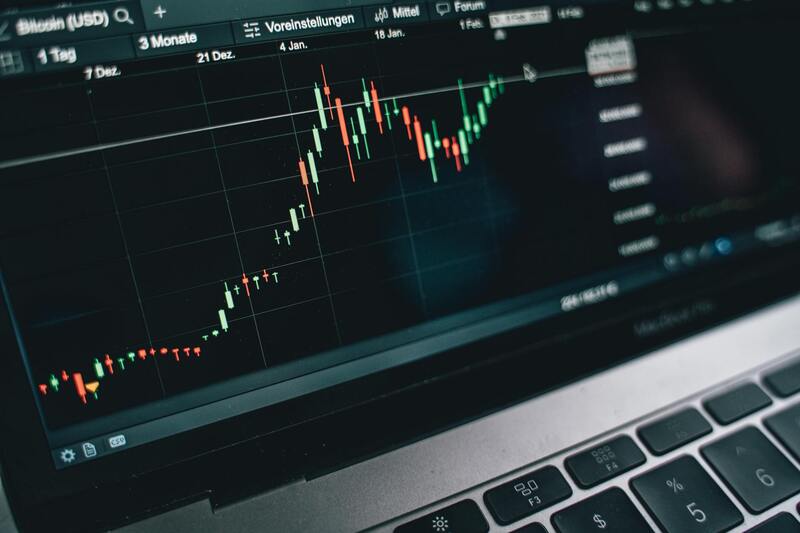
Overview of Prop Trading Technology
Proprietary trading, commonly known as prop trading, relies heavily on sophisticated technological systems to optimize trading performance, manage risks, and streamline operational workflows. At its core, prop trading technology encompasses a broad spectrum of digital tools and platforms that enable traders to execute strategies with precision and efficiency. These technological innovations have transformed traditional trading paradigms by automating complex processes, facilitating real-time data analysis, and providing robust risk management capabilities.
The advent of advanced software solutions and hardware infrastructure has significantly increased trading speeds and accuracy, allowing prop traders to seize market opportunities swiftly. Furthermore, integrated technology stacks support seamless communication, data sharing, and decision-making across trading desks. Overall, the strategic deployment of cutting-edge technology is vital for sustaining competitive advantage in the fast-paced environment of prop trading.

From executing rapid trades to analyzing vast amounts of financial data, technology forms the backbone of successful proprietary trading operations. It enables traders to respond to market movements with agility while ensuring compliance with trading standards and risk protocols. As the industry continues to evolve, embracing innovative technology solutions remains instrumental in maintaining operational excellence and driving profitability in prop trading firms.
Core Components of Prop Trading Platforms
Prop trading platforms are comprehensive ecosystems designed to facilitate efficient and profitable trading operations. Central to these platforms are several key software features that work together to optimize performance, ensure compliance, and mitigate risks. Understanding these core components is essential for establishing a robust infrastructure tailored to the demanding environment of proprietary trading.
At the heart of any effective prop trading platform is a trade execution system. This component ensures rapid and accurate order placement, leveraging high-speed connectivity and resilient infrastructure to capitalize on fleeting market opportunities. Efficient execution reduces slippage and enhances overall trading profitability.
Another critical feature is account management tools, which provide traders and compliance officers with real-time visibility into trading positions, profit/loss metrics, and account statuses. These tools facilitate efficient monitoring and reporting, vital for maintaining operational oversight.
Risk control mechanisms are embedded within the trading platform to continuously evaluate trade risk parameters and enforce risk limits. These include stop-loss and take-profit functionalities, position size controls, and alerts that notify traders of potential overexposure. Such measures help prevent catastrophic losses and maintain trading discipline.
Furthermore, data analytics modules analyze vast amounts of financial data, providing traders with actionable insights. Features such as charting tools, historical data analysis, real-time market feeds, and predictive modeling support strategic decision-making and enhance trading precision.
Additional components such as communication protocols enable seamless collaboration among team members, whether through integrated chat systems or secure data sharing channels. This interoperability fosters coordinated trading strategies and quick dissemination of critical information.

By integrating these core components within a unified platform, prop trading firms can improve operational efficiency, adapt swiftly to market conditions, and sustain competitive advantages in a highly dynamic environment. The seamless interaction between these modules ensures that traders operate in an optimized ecosystem capable of supporting aggressive trading strategies while maintaining operational integrity.
Technology Requirements for Starting a Prop Trading Firm
Establishing a prop trading operation requires a solid technological foundation. This includes selecting hardware with high-speed processing capabilities, reliable internet connectivity, and redundant backup systems to ensure uninterrupted trading activities. Software selection should focus on platforms that support scalable features, customizable interfaces, and real-time data processing. Adequate infrastructure for secure data storage and network protection is essential to safeguard sensitive trading data and maintain compliance with regulatory standards.
Moreover, the implementation of robust cybersecurity measures is paramount. This encompasses encryption protocols, firewalls, intrusion detection systems, and secure login procedures to protect against unauthorized access and data breaches. Continual updates and patches are vital to address emerging vulnerabilities in the evolving cyber threat landscape.

Successful prop trading firms also invest in advanced monitoring tools and performance analytics to evaluate trading strategies, monitor system health, and optimize operational efficiencies. These measures ensure that the technological infrastructure remains aligned with evolving trading strategies and compliance standards, enabling firms to maintain agility and resilience in competitive markets.
Core Components of Prop Trading Platforms
At the heart of effective prop trading technology are several essential components that facilitate seamless execution, risk management, and data analysis. These elements work together to create a robust infrastructure capable of supporting high-frequency trading and large volumes of data in real-time.

Trading Terminals and Interface
Trading terminals serve as the primary interface for traders, providing access to multiple markets, trading instruments, and analytical tools. A user-friendly, customizable interface enhances trader efficiency by enabling quick decision-making and streamlined workflows. Integration with features such as real-time news feeds, charting tools, and order management systems ensures traders remain well-informed and agile in executing strategies.
Market Data Feeds
Reliable and fast data feeds are critical for agility in proprietary trading. These feeds deliver live market prices, order book details, and economic indicators, allowing traders to react swiftly to market conditions. Proper integration ensures minimal latency, which is vital for high-frequency trading operations where milliseconds can significantly impact profitability.
Order Execution Systems
Efficient order execution technology reduces latency in processing trades and ensures high fill ratios. These systems are designed to route orders through multiple venues intelligently, optimizing execution prices and minimizing slippage. Robust order management systems also facilitate complex order types, automated trading signals, and compliance tracking.
Risk Management and Control Modules
Integrated risk management tools monitor positions in real-time, enforce trading limits, and generate alerts for potential breaches. These modules support pre-trade and post-trade risk assessments, ensuring that traders operate within predefined parameters and that firm-wide exposure remains controlled. Dynamic risk control directly impacts profitability and sustainability of the trading operation.
Performance Analytics and Monitoring
Advanced analytics track trading performance, system health, and market trends. These tools generate detailed reports, highlight areas for improvement, and support strategic adjustments. Continuous monitoring helps in quickly identifying system issues, ensuring operational integrity, and maintaining an optimal trading environment.

Integration and Compatibility
To ensure smooth operation, all core components must integrate seamlessly. Compatibility across hardware, software, and external data sources prevents disruptions and supports rapid deployment of new tools and strategies. Choosing modular systems that can scale and adapt to technological advances further enhances operational resilience in competitive markets.
In conclusion, building a comprehensive prop trading platform involves assembling a diverse set of core components tailored to meet the demanding needs of high-stakes trading environments. Prioritizing performance, security, and adaptability in infrastructure design fosters a resilient foundation capable of supporting complex trading strategies and regulatory compliance.
Automated Trading Systems and Algorithms
Automated trading systems have become a pivotal element in modern prop trading operations, enabling traders to execute complex strategies with speed, precision, and consistency. These systems leverage sophisticated algorithms designed to analyze market data, identify trading opportunities, and execute orders without manual intervention. The integration of algorithmic trading enhances the ability to capitalize on fleeting market movements, reduce emotional biases, and maintain disciplined trading patterns.
Developing effective automated trading strategies requires a combination of quantitative analysis, robust software development, and continuous optimization. Traders and technical teams work collaboratively to create algorithms that incorporate various market indicators, statistical models, and machine learning techniques to adapt to changing market conditions. Forward testing and backtesting processes are essential to validate these algorithms' performance over historical and simulated data, ensuring their readiness for real-market deployments.

Integration of these automated systems into trading platforms involves establishing APIs that communicate seamlessly with data feeds, order execution engines, and risk management modules. High-frequency trading algorithms, in particular, depend on ultra-low latency and optimized network infrastructure to outperform competitors. This technological setup requires continuous monitoring and fine-tuning to adapt to evolving market dynamics and to prevent anomalies such as unintended trades or system failures.
Key Elements of Automated Trading Systems
- Algorithmic Strategy Design: Crafting rules and models that define trading actions based on specific criteria.
- Execution Infrastructure: Ensuring rapid order placement, modification, and cancellation capabilities.
- Data Management: Handling large volumes of real-time and historical data for analysis and decision-making.
- Risk Controls: Implementing safeguards to limit losses and prevent overexposure.
- Performance Tracking: Monitoring algorithm outcomes and adjusting parameters for continuous improvement.
Furthermore, the deployment of machine learning and artificial intelligence algorithms is transforming prop trading. These technologies enable systems to learn from market behavior, enhance prediction accuracy, and adapt strategies dynamically. As markets grow in complexity and speed, the reliance on intelligent automation becomes indispensable for competitive advantage in prop trading environments.
Impact on Trading Efficiency and Market Participation
Automated trading not only accelerates execution but also facilitates simultaneous market participation across multiple assets and regions. This broad reach allows prop traders to diversify their portfolio strategies, react swiftly to news events, and optimize trade timing. Consequently, firms that leverage advanced automated systems often experience increased profitability and operational efficiency, positioning themselves favorably within the highly competitive landscape of proprietary trading.
Technology Requirements for Starting a Prop Trading Firm
Establishing a proprietary trading operation necessitates a robust technological infrastructure capable of supporting complex trading activities, managing large data sets, and ensuring high-speed execution. These core requirements go beyond basic hardware and software, emphasizing specialized tools tailored to the needs of professional traders and firm-wide risk controls. Essential technology components include powerful computing systems, reliable network connections, and a suite of trading software that integrates seamlessly with market data feeds and execution venues.
Prior to launching a prop trading firm, it is critical to develop an environment that fosters rapid decision-making and execution. This involves deploying multi-monitor setups, high-performance servers, and low-latency data processing solutions. Additionally, firms should implement resilient data storage systems for handling historical data, which is vital for back-testing and refining trading strategies. Compatibility and scalability should also be prioritized to facilitate future growth and technological upgrades.

Access to reliable data sources is fundamental. Many firms subscribe to premium real-time data providers to ensure accuracy and immediacy. These feeds support the development of sophisticated trading algorithms and enable traders to respond swiftly to market changes. The integration of trading platforms with data analytics tools and custom dashboards allows traders to monitor positions, analyze market conditions, and execute strategies with precision.
Key Software and Hardware Components
- Trading Platforms: Custom or off-the-shelf platforms that support algorithm development, back-testing, and live trading.
- Order Execution Systems: High-frequency trading engines optimized for minimal latency and maximum reliability.
- Data Analytics Tools: Software capable of handling large-scale data analysis, pattern recognition, and machine learning applications.
- Secure Servers and Network Infrastructure: Redundant systems, firewalls, and encrypted connections to safeguard sensitive trading data and ensure uninterrupted operation.
- Monitoring and Management Software: Platforms that oversee trading activity, manage risk parameters, and generate detailed reports for ongoing assessment.
Investment in state-of-the-art hardware and software directly correlates with the ability to execute complex strategies and maintain an edge over competitors. As technology evolves, integration of artificial intelligence and cloud computing solutions is becoming increasingly prevalent, offering a blend of scalability, flexibility, and advanced analytics capabilities.
Overview of Prop Trading Technology
Prop trading technology encompasses a range of sophisticated tools and systems designed to empower traders to execute strategies efficiently and effectively within financial markets. These technologies integrate cutting-edge hardware, software, and network solutions to facilitate real-time data processing, rapid order execution, and comprehensive risk management. The landscape of prop trading is continually evolving, driven by innovations that enhance operational speed, analytical depth, and strategic precision. Leveraging the right technological infrastructure allows proprietary trading firms to capitalize on market opportunities, adapt swiftly to market dynamics, and maintain a competitive edge in a highly volatile environment.
Core Components of Prop Trading Platforms
At the core of prop trading operations are robust platforms that support various critical functions:
- Trading Platforms: These serve as the central interface for traders, providing tools for development, back-testing, and executing trading strategies. Platforms can be custom-built or leverage established solutions, integrated with market data feeds and execution engines.
- Order Execution Systems: High-frequency engines designed for rapid order placement and adjustments. These systems minimize latency to ensure that trades are executed at the most favorable prices possible while maintaining reliability.
- Data Analytics Software: Advanced analytical tools that process vast amounts of market data to identify patterns, predict trends, and facilitate decision-making. Incorporating machine learning and artificial intelligence, these tools boost strategic insights and trading precision.
- Secure Network Infrastructure: Redundant servers, encrypted data channels, and firewalls secure sensitive trading data and maintain uninterrupted operations, especially during high-volatility periods.
- Monitoring and Management Platforms: Software suites that oversee trading activities, monitor risk exposure, and generate reports. These tools are vital for ensuring compliance and strategic oversight continuously.
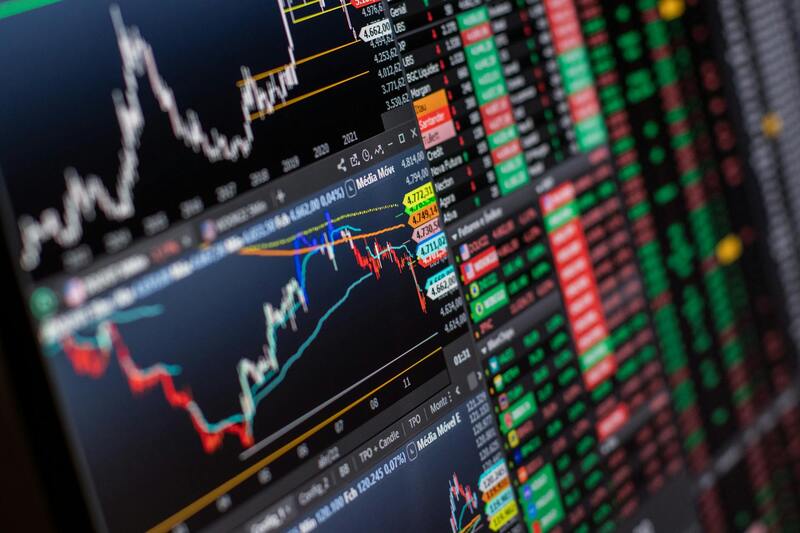
Technology Requirements for Starting a Prop Trading Firm
Establishing a successful prop trading operation hinges on implementing reliable and scalable technology solutions. Essential requirements include:
- Hardware Infrastructure: High-performance servers, multiple monitors, and robust networking equipment ensure traders can handle complex calculations, large data sets, and rapid execution without latency issues.
- Trading Software: Choosing or developing platforms that support real-time data analysis, back-testing, and algorithm deployment tailored to specific trading strategies is crucial.
- Market Data Access: Subscriptions to reliable data feeds are fundamental for accurate market analysis and timely decision-making. The selection process involves evaluating providers based on latency, coverage, and data quality.
- Security Protocols: Implementing advanced cybersecurity measures such as encryption, two-factor authentication, and regular audits helps safeguard sensitive information and trading assets.
- Regulatory Compliance Systems: Tools that track and ensure adherence to trading regulations, reporting requirements, and internal risk policies are indispensable for sustainable operations.
Automated Trading Systems and Algorithms
Automation plays a pivotal role in prop trading, with algorithms executing trades based on predefined criteria with minimal human intervention. Key aspects include:
- Algorithm Development: Traders design algorithms rooted in quantitative models, technical indicators, and market signals. These programs can adapt to changing market conditions through parameter tuning and machine learning enhancements.
- Back-Testing: Rigorous testing over historical data ensures that algorithms perform reliably and yield expected profits before deployment in live environments.
- Execution Optimization: Algorithms are fine-tuned to minimize slippage, manage order sizes, and prevent adverse market impacts during high-volume trading periods.
- Real-Time Monitoring: Automated systems include ongoing performance assessments, risk controls, and contingency procedures to handle unexpected market movements or technical failures.

Risk Management Technologies in Prop Trading
Managing risk efficiently is fundamental for sustaining profitability and operational stability. Advanced risk management technologies encompass:
- Real-Time Position Monitoring: Dashboards and alerts that track open trades, Real-time P&L, and exposure levels, enabling traders to respond swiftly to emerging risks.
- Automated Risk Controls: Set parameters such as maximum drawdown, position limits, and stop-loss orders that trigger automatically to curtail potential losses.
- Stress Testing and Scenario Analysis: Simulation tools that evaluate how different market shocks could impact the portfolio, assisting in developing resilient trading strategies.
- Compliance and Audit Trails: Recording all trading activity and decision points to facilitate review processes and ensure adherence to internal policies and external standards.
- Data Security Measures: Implementing cybersecurity protocols to protect trading algorithms, client data, and sensitive financial information from cyber threats.
Automated Trading Systems and Algorithms
At the core of prop trading technology are sophisticated automated trading systems and algorithms designed to execute trades with precision, speed, and consistency. These systems analyze vast amounts of market data, identify trading opportunities, and execute orders based on predefined strategies. Leveraging real-time data feeds, machine learning models, and quantitative models, traders can take advantage of arbitrage, trend-following, or market-making strategies efficiently. The deployment of algorithms allows for rapid reactions to market changes, minimizing human error and emotional biases that could otherwise impede performance.

Characteristics of Effective Trading Algorithms
- Precision: Algorithms must execute orders at optimal prices and times to ensure profitability.
- Adaptability: They should adapt to evolving market conditions through continuous learning and parameter adjustments.
- Speed: High-frequency trading relies on executing thousands of trades within milliseconds, requiring ultra-low latency platforms.
- Risk Controls: Embedding risk management features directly into algorithms helps prevent large losses, such as preset stop-loss thresholds or maximum position sizes.
Developing and Deploying Algorithms
Creating effective trading algorithms involves quantitative research, backtesting, and rigorous validation before deployment into live trading environments. Many prop trading firms utilize specialized software development kits (SDKs) and APIs to customize and optimize their trading algorithms. Continuous monitoring and performance analysis are essential for refining strategies and ensuring they operate as intended under different market conditions.
Furthermore, integration with high-performance execution platforms ensures minimal latency and slippage, which are crucial for high-frequency trading strategies. Advanced backtesting environments simulate historical market conditions to evaluate algorithm robustness and profitability, enabling traders to fine-tune parameters before risking real capital.
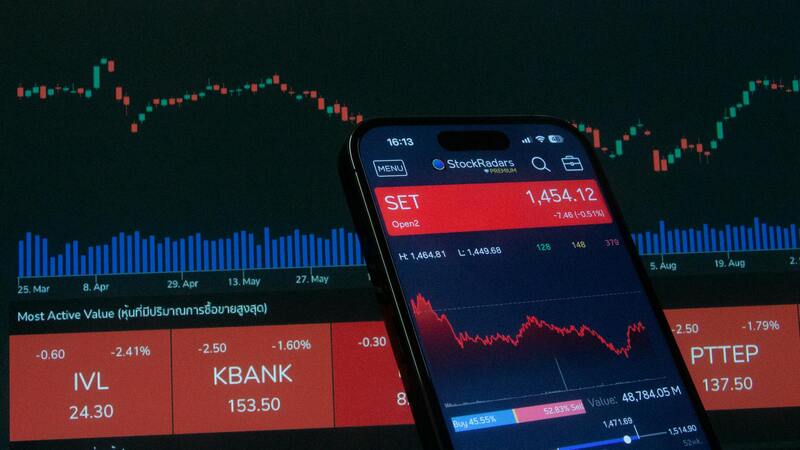
The Role of Artificial Intelligence and Machine Learning
Emerging AI-powered solutions are transforming the landscape of prop trading technology. Machine learning models can identify complex market patterns and adapt trading strategies dynamically based on new data. These systems enhance predictive accuracy and enable traders to uncover subtle inefficiencies across different asset classes. As a result, firms adopting AI-driven algorithms often achieve competitive advantages in speed and analytical depth, opening avenues for innovative trading approaches that were previously unattainable.
Integration with Market Data and Trading Infrastructure
Seamless connectivity to real-time market data feeds, market exchanges, and liquidity providers is fundamental for the effectiveness of automated systems. Modern prop trading platforms incorporate scalable APIs, cloud-based computing resources, and low-latency networking solutions to ensure that algorithms execute at the right moment and at optimal prices. The infrastructure must support high throughput and reliability to prevent execution failures and data bottlenecks, which can significantly impact profitability.

Advanced Technologies Shaping Prop Trading Operations
In the rapidly evolving landscape of proprietary trading, leveraging cutting-edge technology is crucial for maintaining a competitive edge. Modern prop trading firms rely on sophisticated systems that integrate real-time data processing, high-speed execution, and comprehensive risk management tools. These technologies facilitate more informed decision-making, improve execution efficiency, and help traders adapt swiftly to changing market conditions.
State-of-the-Art Data Analytics and Market Insights
Prop trading platforms now incorporate advanced data analytics capabilities that aggregate vast quantities of market information. By utilizing real-time analytics, traders gain faster insights into market trends, sentiment shifts, and liquidity patterns, enabling immediate strategic adjustments. These analytics often encompass alternative data sources, including social media sentiment, news feeds, and macroeconomic indicators, providing traders with a broader perspective and a competitive advantage in executing profitable trades.

Integration of Cloud Computing and Scalable Infrastructure
Cloud-based solutions have become foundational in prop trading technology, offering scalable resources that support high-frequency trading and extensive backtesting. Cloud infrastructure allows firms to dynamically allocate computing power during peak trading hours, ensuring seamless operation without hardware constraints. Additionally, cloud platforms facilitate collaboration across geographically dispersed teams, providing centralized access to trading tools, data repositories, and analytics dashboards.
Role of Low-Latency Networks
Low-latency networking infrastructure is indispensable for executing high-speed trades. Proprietary trading firms invest heavily in colocated servers and direct market access to minimize delays, ensuring their algorithms can respond to market movements within milliseconds. These investments not only enhance execution speed but also reduce the risk of slippage and unfavorable fills, thereby directly impacting profitability.
Harnessing Artificial Intelligence and Machine Learning
Artificial intelligence (AI) and machine learning (ML) are revolutionizing prop trading strategies by enabling systems to learn from historical data and adapt dynamically. Sophisticated algorithms can identify subtle market inefficiencies, optimize trade entry and exit points, and improve predictive accuracy over traditional models. AI-powered systems also facilitate anomaly detection and pattern recognition that human traders might overlook, making them invaluable in high-stakes environments.

Implementing Robust Risk Management Technologies
Advanced risk management tools are embedded within reputable prop trading platforms to monitor exposure, evaluate potential losses, and enforce compliance limits automatically. These systems utilize real-time analytics to stratify risk dynamically, adjusting trading parameters to align with predefined risk appetite and regulatory standards. Automated stop-loss orders, portfolio diversification algorithms, and stress testing modules collectively safeguard trading operations against unexpected market shifts.
Ensuring Data Security and Regulatory Compliance
Given the sensitivity of trading data and operational requirements, securing information and adhering to compliance standards are vital. Prop trading firms deploy multi-layered cybersecurity protocols, including encryption, intrusion detection systems, and access controls, to protect proprietary strategies and client data. Additionally, compliance automation tools assist firms in maintaining transparency, generating audit trails, and reporting relevant activities accurately, reducing operational risk and fostering trust.
Emerging Trends and Future Directions in Prop Trading Technology
The future of prop trading technology envisions even greater integration of AI, quantum computing, and blockchain solutions. Quantum algorithms promise unprecedented processing capabilities, potentially transforming backtesting and real-time decision-making. Blockchain technology offers increased transparency and secure transaction recording, which could streamline operational workflows and settlement processes. As these innovations mature, prop trading firms will likely adopt hybrid systems that combine traditional strategies with groundbreaking technological advancements, pushing the boundaries of what is achievable in active trading environments.