Understanding Prop Technologies
Prop technologies are the backbone of modern proprietary trading firms, enabling traders and operators to execute strategies efficiently, securely, and at scale. These advanced systems facilitate the management of vast data sets, automate complex trading algorithms, and optimize operational workflows. Leveraging innovative software solutions, hardware setups, and networking infrastructure, prop trading firms can maintain a competitive edge in the highly dynamic financial markets.
At its core, prop technology encompasses a broad spectrum of tools designed to improve trading performance and ensure seamless operational continuity. From sophisticated order execution algorithms to robust risk management modules, these systems are essential for supporting high-frequency and algorithmic trading styles. Incorporating cutting-edge innovations such as cloud computing, machine learning, and real-time data feeds, prop technologies empower firms to adapt swiftly to market movements and capitalize on emerging opportunities.

Effectively implemented, prop technologies help firms to streamline their workflows, reduce latency, and enhance decision-making processes. They support a range of functionalities, including market data collection, order routing, trade execution, risk assessment, and reporting. Given the rapid evolution within financial markets, staying up-to-date with the latest technological developments is vital for firms aiming to sustain growth and competitive advantage.
Role in Development and Operation
The development of proprietary trading technology involves integrating software tools, hardware systems, and networking solutions to build a resilient and adaptable trading environment. Operationally, these systems enable traders to execute strategies with precision, monitor real-time performance, and respond swiftly to market fluctuations. By automating routine tasks and providing comprehensive analytics, prop technologies significantly increase the efficiency and effectiveness of trade execution.
Furthermore, the deployment of artificial intelligence and machine learning algorithms represents a significant advancement, allowing firms to enhance predictive capabilities and refine trading strategies continuously. These technological innovations play a crucial role in maintaining operational stability, reducing human error, and maximizing profitability.

In essence, prop technologies serve as the foundation upon which modern proprietary firms build their trading infrastructures. Their strategic use supports not only daily trading operations but also long-term growth initiatives, enabling firms to navigate the complexities of contemporary financial markets successfully.
Core Components of Prop Trading Platforms
At the heart of any effective prop trading operation lies a suite of specialized technological components designed to optimize performance, mitigate risks, and ensure seamless execution. Understanding these fundamental elements is crucial for establishing and maintaining a robust trading infrastructure that aligns with strategic objectives.
One of the primary components is advanced trading software, which provides traders with real-time data, analytical tools, and order execution capabilities. These platforms often feature customizable interfaces, enabling traders to tailor their workspace according to specific trading styles and strategies. Integrated alerts and automated order management are also common features, facilitating quicker response times and reducing manual errors.
Application Programming Interfaces (APIs) serve as vital connectors between trading platforms and external data sources or liquidity providers. They enable rapid data transfer, order placement, and execution, which are essential for high-frequency trading and algorithmic strategies. Effective API integration ensures that prop firms can access multiple markets and instruments efficiently, maintaining agility in fast-paced trading environments.
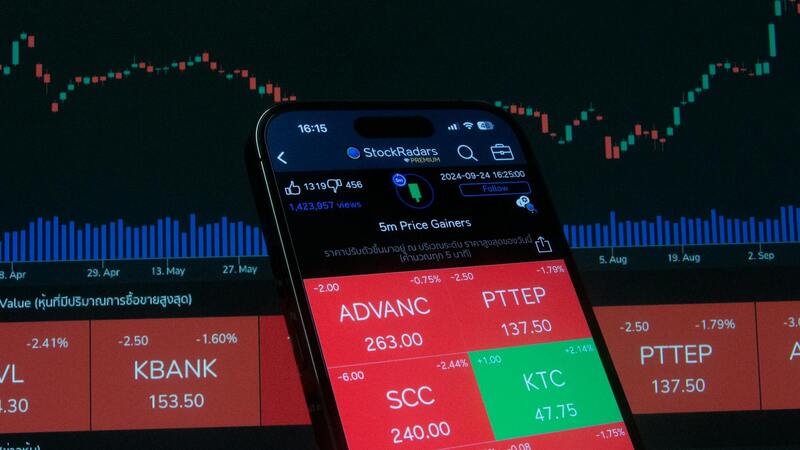
Risk management systems form the backbone of sustainable trading practices within prop firms. These tools monitor trading activity, enforce position limits, and evaluate potential losses in real-time. Automated risk controls can halt trading activity instantly if predefined thresholds are surpassed, thereby safeguarding capital and ensuring compliance with internal policies. Sophisticated analytics and scenario testing within these systems allow traders to assess potential risks before executing trades, fostering disciplined decision-making.

Together, these components create a cohesive trading ecosystem that facilitates fast, efficient, and secure trade execution. Proper integration and continual updating of these core elements are essential for prop firms to stay competitive and responsive to market changes.
Automation and Algorithmic Trading
Automation drives the efficiency of prop trading by eliminating manual processes and deploying algorithms designed to exploit market opportunities instantly. Through algorithmic trading, firms can implement complex strategies such as statistical arbitrage, trend following, or market making, often executing orders within fractions of a second.
These algorithms are developed based on quantitative models and backed by historical data analysis. Once tested and optimized, they operate with minimal human intervention, executing trades automatically based on predefined criteria. This automation significantly reduces emotional bias and increases consistency across trading sessions.
Furthermore, algorithmic strategies require continuous refinement. Using machine learning techniques, firms can adapt algorithms to changing market conditions, improving predictive accuracy and overall performance over time. An underlying infrastructure that supports high-speed data processing and low-latency execution is fundamental to the success of automated trading systems.
Data Management and Analysis
Effective data management is pivotal for prop trading firms seeking a competitive edge. This involves collecting, storing, and analyzing vast volumes of market data, including price feeds, order books, news sentiments, and economic indicators. High-quality data enables traders and algorithms to identify patterns, forecast price movements, and refine trading strategies.
Modern prop firms employ sophisticated databases and data warehouses to organize historical and real-time data efficiently. Data cleaning and validation processes are crucial to maintain accuracy, reducing the likelihood of faulty signals or erroneous trades.
Advanced analytics tools facilitate deep dives into data, offering insights into market behavior, volatility patterns, and trader performance. Visual analytics dashboards help track key performance indicators, detect anomalies, and make data-driven adjustments promptly. This rigorous approach to data enhances trading precision and contributes to long-term profitability.
Security and Regulatory Compliance
Safeguarding sensitive trading data and ensuring adherence to industry standards are non-negotiable priorities for prop firms. Security protocols include multi-factor authentication, encryption of data in transit and at rest, and firewalls designed to prevent unauthorized access.
Compliance also involves implementing audit trails and logging all trading activities, which support transparency and facilitate regulatory reviews. Regular security assessments and vulnerability scans help identify and address potential threats before they manifest into serious incidents.
Adapting to evolving regulatory frameworks involves maintaining comprehensive documentation and compliance reports, ensuring that trading operations adhere to set guidelines. This proactive approach minimizes operational disruptions and protects the firm's reputation in the industry.
Infrastructure and Connectivity
A reliable, high-speed infrastructure underpins all prop trading activities. Low-latency fiber-optic connections, dedicated servers, and colocated data centers close to major exchange hubs are standard setups to reduce execution times. These investments in infrastructure enable firms to capitalize on fleeting market opportunities effectively.
Ongoing monitoring of network performance and hardware health ensures minimal downtime and optimal system responsiveness. Cloud solutions are increasingly integrated to enhance scalability and facilitate data backup, disaster recovery, and collaborative work environments across geographically dispersed teams.
Seamless connectivity between trading systems, data providers, and liquidity sources is essential for maintaining responsiveness and ensuring that orders are executed at the desired prices. This interconnected network forms the backbone of high-frequency and algorithmic trading strategies.
Understanding Prop Technologies
Prop trading firms heavily rely on sophisticated technological solutions to stay competitive in the fast-paced financial markets. The backbone of their operations includes advanced trading platforms that facilitate rapid execution, real-time data analysis, and efficient risk management. These systems are built upon robust infrastructure that ensures minimal latency and maximum uptime, enabling traders to capitalize on fleeting market opportunities effectively.
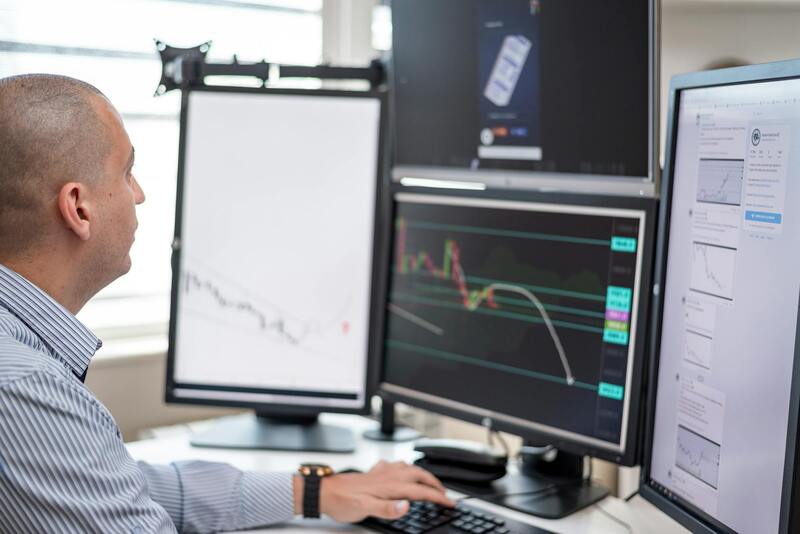
Achieving seamless integration between various components such as execution engines, data feeds, and risk management tools is vital. This requires not only cutting-edge hardware but also sophisticated software architectures that support scalability, reliability, and security. Many firms invest in colocated data centers near major exchanges, harnessing low-latency fiber-optic connections to gain a temporal advantage in order execution. Cloud-based solutions complement these setups, providing flexible storage, disaster recovery, and collaborative platforms for dispersed teams.
Understanding and optimizing infrastructure investments are critical for maintaining competitive edge and operational stability. Continuous monitoring of network performance and hardware health helps detect and resolve issues before they impact trading activities. Automated alerts and maintenance routines contribute to minimal downtime, ensuring trading operations run smoothly around the clock.
Automation and Algorithmic Trading
Automation stands at the core of modern prop trading strategies. Firms employ complex algorithms that analyze vast quantities of data to generate trading signals, execute orders, and manage risk autonomously. These algorithms often incorporate machine learning techniques that evolve based on new market data, continuously refining their predictive accuracy.
Algorithmic trading systems are designed to operate at speeds unattainable by human traders, allowing firms to execute high-frequency trades and arbitrage opportunities. Implementing and managing these systems require deep technical expertise and an understanding of both market dynamics and software development. The process includes rigorous backtesting, simulation against historical data, and live monitoring to ensure algorithms perform as intended under different market conditions.

Moreover, integrating machine learning models allows for adaptive strategies that adjust to market trends and anomalies, increasing the potential for profit while minimizing risk. These systems are continually optimized through validation procedures that evaluate their performance and robustness across various scenarios.
Data Management and Analysis
Data serves as the foundation of prop trading technology, necessitating advanced management and analytical capabilities. Firms collect vast arrays of information, including market quotes, economic indicators, news feeds, and internal trading metrics. Efficient data pipelines are essential for real-time processing, storage, and retrieval, ensuring traders and algorithms have access to accurate, up-to-date information at all times.
Data analysis tools enable traders to identify patterns, predict price movements, and assess risk levels swiftly. Visualization platforms and dashboards translate complex datasets into actionable insights, facilitating informed decision-making. Advanced analytics incorporate statistical models, machine learning algorithms, and artificial intelligence to expand predictive capabilities and uncover hidden market opportunities.
Security and Regulatory Compliance
Maintaining high standards of security is critical in protecting sensitive financial data and trading algorithms. Prop firms implement multi-layered security protocols, including encryption, firewalls, intrusion detection systems, and regular security audits. These measures guard against cyber threats that could compromise trading activities or lead to data breaches.
In addition, firms adhere to defined regulatory frameworks by maintaining comprehensive logs of trading activities, system access, and data flow. These records support transparency and facilitate oversight, ensuring that trading practices remain within established guidelines. Ongoing staff training on security protocols and incident response plans further fortify the firm’s defenses against emerging threats.
Infrastructure and Connectivity
The critical role of infrastructure extends beyond physical hardware to encompass connectivity solutions that link trading systems, data providers, and liquidity sources. High-availability network architectures, often leveraging dedicated lines and colocation, reduce latency and improve responsiveness. Efficient routing protocols and failover systems guarantee continuous operations amid potential disruptions.
Advanced connectivity strategies incorporate cloud integrations, which offer scalability and rapid deployment of new services. These arrangements support disaster recovery plans, data backups, and remote collaboration, ensuring operational resilience in dynamic market environments.
Starting a Prop Firm with Technology
Launching a proprietary trading firm requires strategic selection and implementation of technology solutions tailored to specific trading approaches. Initial steps involve assessing infrastructure needs, selecting appropriate trading platforms, and establishing reliable data feeds. Building a team of skilled developers, quantitative analysts, and IT specialists is crucial for customizing systems and maintaining high performance.
Performing thorough due diligence on hardware vendors, software providers, and data network partners ensures foundational stability. Ongoing testing and optimization of trading algorithms and infrastructure lay the groundwork for long-term success. As the firm grows, scaling technology resources and integrating innovative solutions becomes imperative to sustain competitive advantage.
Future Trends in Prop Technologies
The landscape of prop trading technology continuously evolves, driven by advancements in hardware speed, software sophistication, and data analytics. Emerging trends include the increased deployment of artificial intelligence to enhance predictive models and decision-making processes. Quantum computing, although still in early stages, promises revolutionary changes in data processing capabilities.
Additionally, the adoption of decentralized finance (DeFi) platforms and blockchain technologies could transform liquidity sourcing and settlement processes. Firms are also exploring the potential of edge computing to further reduce latency and expand access to trading opportunities in real-time. Staying ahead in this competitive environment involves continuous innovation and adaptation to these technological shifts.
Enhancing Prop Trading Strategies through Cutting-Edge Technologies
Leveraging advanced technologies is essential for prop trading firms aiming to optimize their trading strategies and maximize profitability. The integration of high-frequency trading systems, real-time data analytics, and sophisticated order execution tools allows traders to respond swiftly to market changes and capitalize on fleeting opportunities.
Modern prop traders rely heavily on algorithmic strategies, which are developed through extensive research and testing. These algorithms analyze vast amounts of market data to identify patterns and predict price movements, providing traders with actionable insights. Continuous refinement of these algorithms ensures that trading strategies remain adaptive to evolving market conditions.

In addition to algorithm development, robust backtesting environments are vital. They enable firms to simulate trading strategies using historical data, assessing potential risks and returns before deployment in live markets. This process helps in identifying weaknesses and fine-tuning strategies for better resilience and profitability.
Implementing Infrastructure for Prop Technologies
Scalable and resilient infrastructure forms the backbone of successful prop trading operations. Employing dedicated servers with high computational power ensures that complex algorithms and data-intensive applications run smoothly without delays. Cloud computing solutions also offer flexibility and scalability, allowing firms to dynamically allocate resources according to trading demands.
Reliable data feeds are critical for maintaining an accurate view of the market. Firms often utilize multiple data providers to diversify sources and improve the robustness of their information. Low-latency connectivity between data centers and trading servers minimizes delays, enabling traders to execute orders at the most advantageous prices.

Security Measures Supporting Prop Operations
Security is paramount in safeguarding proprietary algorithms, sensitive financial data, and client information. Implementing comprehensive cybersecurity protocols, such as end-to-end encryption, multi-factor authentication, and intrusion detection systems, mitigates threats and prevents unauthorized access.
Furthermore, routine security audits and continuous monitoring are essential for identifying vulnerabilities and maintaining a secure trading environment. Data redundancy and backup solutions also ensure operational continuity in case of technical failures or cyber incidents.
Compliance and Ethical Use of Technology
While deploying advanced prop trading technologies, it is crucial to adhere strictly to established standards and best practices. This involves maintaining transparent records of trading activities, ensuring fair market practices, and avoiding manipulative strategies. The integration of compliance management software can automate monitoring processes and generate reports to facilitate audits.
Future Perspectives in Prop Technologies
The continuous evolution of prop trading methodologies demands vigilance and adaptability. Emerging innovations such as artificial intelligence-driven models are set to further refine predictive accuracy and decision-making processes. Additionally, advancements in hardware, like specialized processors and quantum computing, promise to revolutionize data analysis and processing speeds.
Decentralized finance (DeFi) ecosystems are likely to influence liquidity sourcing and transaction settlement methods, offering new avenues for profit generation and risk management. Edge computing deployments could reduce latency even further, providing real-time access to global market movements.
Remaining at the forefront of these technological advancements ensures that prop trading firms maintain a competitive edge, leveraging innovation to enhance trading efficiency, security, and compliance.
Understanding Prop Technologies
Prop trading technologies encompass a diverse array of tools and systems designed to optimize trading operations, enhance decision-making, and automate complex processes within proprietary trading firms. These technologies serve as the backbone for executing high-frequency trades, managing large volumes of data, and ensuring operational efficiency. They are integrated meticulously to serve the specific needs of each firm, often customized for particular asset classes or trading strategies.
Core Components of Prop Trading Platforms
The foundation of any effective prop trading operation relies on several core technological components:
- Trading Execution Systems (TES): These systems facilitate rapid trade execution across multiple markets and asset classes, minimizing latency and optimizing order routing. They often include advanced algorithms that can adapt to real-time market conditions.
- Order Management Systems (OMS): OMS platforms provide comprehensive control over trade orders, allowing traders to monitor, modify, and track orders seamlessly, ensuring compliance with internal and external standards.
- Risk Management Software: Essential for monitoring exposure and managing leverage, these tools analyze trading positions against predefined risk parameters, preventing excessive losses and maintaining firm stability.
- Market Data Feeds: Reliable and fast data feeds deliver real-time market information necessary for making informed trading decisions, supporting analysis across various instruments and markets.
- Portfolio and Performance Analytics: Advanced analytics modules evaluate trading performance, identify inefficiencies, and suggest strategic adjustments to improve profitability.
Automation and Algorithmic Trading
Automated trading systems play a pivotal role in prop trading by executing predefined strategies without manual intervention. These algorithms utilize complex mathematical models to identify trade opportunities based on market signals, historical data, and statistical analysis. The adoption of algorithmic trading enables firms to capitalize on fleeting market movements that are impossible for human traders to exploit manually.
Algorithmic trading strategies include:
- Market Making: Algorithms place buy and sell orders simultaneously, providing liquidity and profiting from bid-ask spreads.
- Arbitrage: These strategies exploit price discrepancies between related assets or markets, executing rapid transactions for profit.
- Trend Following: Algorithms analyze market trends and execute trades aligned with the prevailing direction, aiming for sustained gains.
- Statistical Arbitrage: Utilizing statistical models, these strategies identify patterns and anomalies in data to execute high-probability trades.
Data Management and Analysis
Data is integral to prop trading, underpinning decision-making and strategy development. Robust data management systems collect, store, and process vast amounts of market and internal data, ensuring high data integrity and accessibility. These systems enable traders and analysts to perform comprehensive backtesting, scenario analysis, and real-time data evaluation.
Advanced analytical tools leverage machine learning and artificial intelligence to uncover hidden patterns, forecast market movements, and optimize trading strategies. The combination of predictive analytics and historical data enhances the accuracy of trading signals, resulting in more precise execution and risk mitigation.
High-performance computational infrastructure supports rapid analysis, enabling traders to respond instantly to market changes. Efficient data pipelines facilitate seamless integration with trading algorithms and risk management modules, ensuring consistency across trading operations.

Understanding Prop Technologies
Prop trading platforms leverage advanced technological solutions to enable traders and firms to execute high-frequency and strategic trades efficiently. These technologies form the backbone of proprietary trading operations, providing the tools necessary for rapid decision-making, risk management, and strategy execution. Key to this ecosystem are sophisticated software frameworks integrated with powerful hardware infrastructure, delivering performance, accuracy, and security.
Core Components of Prop Trading Platforms
At the heart of prop trading systems are several essential components that facilitate smooth and effective operations:
- Trading Algorithms: These automated scripts analyze market data, identify opportunities, and execute trades based on predefined criteria. They can range from simple rule-based strategies to complex machine learning models.
- Execution Engines: High-speed engines ensure that trades are executed swiftly and accurately across multiple exchanges and asset classes, minimizing latency and slippage.
- Order Management Systems (OMS): OMS coordinate trade orders, manage order flow, and provide real-time status updates, thereby maintaining seamless trade execution.
- Risk Management Modules: These include tools for position monitoring, stop-loss, and capital allocation, essential for maintaining a controlled trading environment.
- Market Data Feeds: Reliable and low-latency data feeds provide real-time market information necessary for timely decision-making.
Automation and Algorithmic Trading
Automation plays a pivotal role in prop trading, enabling rapid and complex decision-making processes that surpass human capabilities. Algorithmic trading involves designing algorithms that automatically execute trades based on market conditions, statistical models, and trading signals.
Integrating automation reduces emotional bias, enhances consistency, and allows for the management of multiple strategies simultaneously. Traders often customize algorithms to suit specific trading styles such as market making, arbitrage, or trend-following strategies.
These algorithms—often supported by machine learning—analyze vast datasets for pattern recognition, anomaly detection, and predictive analytics. This data-driven approach enhances the probability of profitable trades while controlling risks through adaptive parameters.
Data Management and Analysis
Effective data management is integral to prop trading, providing the foundation upon which strategies are built and refined. Platforms employ sophisticated data infrastructure that captures, processes, and stores large volumes of information from diverse sources, including market feeds, news, economic indicators, and internal trade data.
The use of powerful analytical tools allows traders to delve into complex datasets, perform backtests, and optimize trading methodologies. Machine learning models can forecast potential market movements, identify emerging trends, and signal high-probability trading opportunities.
Real-time data analysis ensures that traders remain informed of evolving conditions, enabling quick adjustments to trading strategies. High-performance computational resources facilitate rapid calculations, supporting high-frequency trading and reducing the latency between data receipt and trade execution.
Security and Regulatory Compliance
Security measures in prop trading systems safeguard sensitive data and maintain the integrity of trading activities. These include robust encryption protocols, multi-factor authentication, and intrusion detection systems to prevent unauthorized access and cyber threats.
Adherence to industry standards and regulatory requirements ensures transparency and fairness within trading operations. Compliance modules track and document trading activities, generate necessary reports, and support audits. Platforms also incorporate risk controls and limits to prevent undesirable exposures, ensuring sustainable trading practices and safeguarding firm capital.
Understanding Prop Technologies
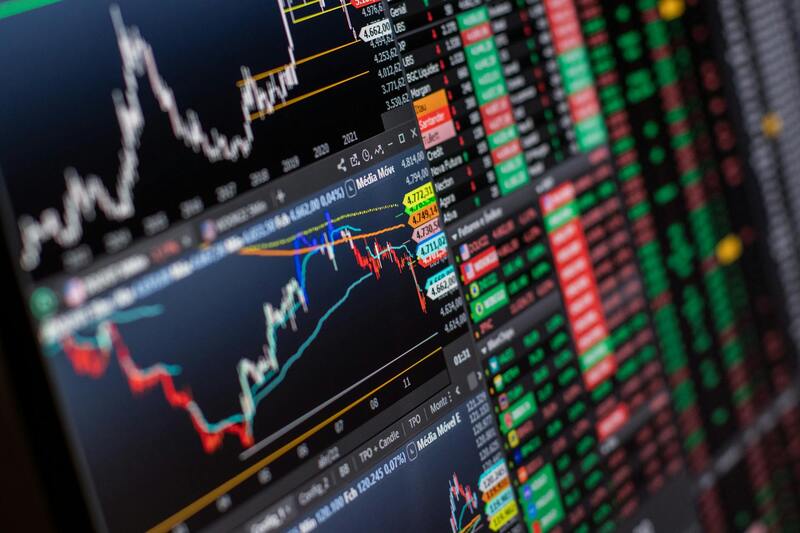
Proprietary trading technology serves as the backbone of modern trading firms, enabling efficient, rapid, and reliable execution of complex trading strategies. Advanced systems integrate multiple components, including connectivity modules, execution engines, risk management tools, and sophisticated data analysis platforms. These technologies must operate seamlessly to support traders in making well-informed decisions, managing large data flows, and executing trades at the highest speeds. The evolution of these systems has been driven by the increasing demand for automation, the proliferation of high-frequency trading, and the necessity of maintaining data security and compliance standards.
Core Components of Prop Trading Platforms
Effective prop trading platforms encompass several fundamental modules essential for robust operation:
- Market Connectivity: Secure and stable connections to multiple exchanges and data feeds ensure traders receive real-time market data, order book updates, and execution capabilities.
- Order Execution Engine: This component prioritizes order placement, manages order routing, and executes trades swiftly to capitalize on market opportunities while minimizing slippage.
- Risk Management Systems: Automated controls monitor trading activity to prevent excessive exposure, enforce trading limits, and implement stop-loss and position size parameters.
- Data Storage and Management: Large volumes of historical and real-time data are securely stored and efficiently retrieved for analysis and backtesting.
- User Interface and Dashboard: An intuitive interface provides traders with real-time analytics, trade statuses, and risk metrics, facilitating quick decision-making.
Automation and Algorithmic Trading
Automation is a transformative element within proprietary trading frameworks, enabling the deployment of high-speed algorithms that execute trades based on pre-defined criteria. These algorithms analyze market data, identify trading opportunities, and place orders without manual intervention, which drastically reduces latency and human error.
Common algorithmic strategies include arbitrage, market making, trend following, and mean reversion, each requiring specialized algorithms optimized for specific market conditions. Traders often develop and refine these algorithms through extensive backtesting, ensuring robust performance across different market scenarios. The integration of machine learning techniques allows these models to adapt over time, improving prediction accuracy and trading performance.
Data Management and Analysis
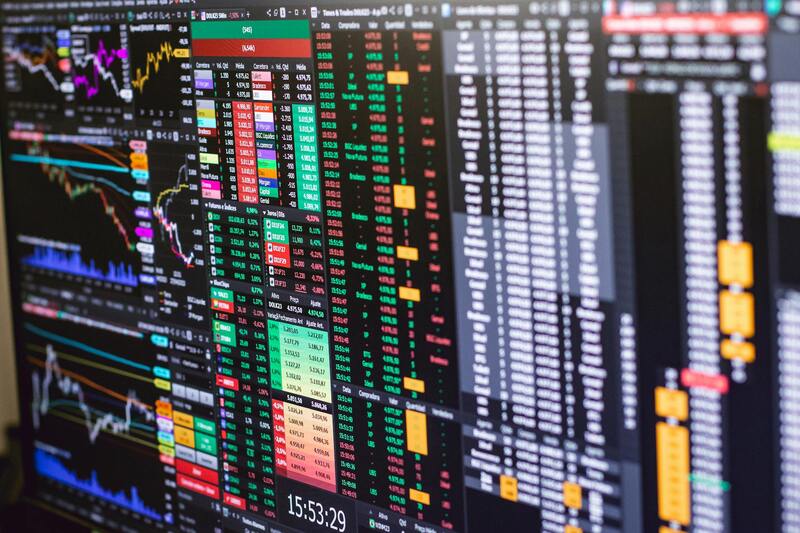
Data management systems in prop trading are designed to handle vast datasets, including live market feeds, order histories, economic indicators, and news analytics. These systems facilitate fast data ingestion, storage, and retrieval, providing traders with comprehensive insights.
Advanced analytical tools supported by AI and machine learning enable traders to uncover patterns, forecast market movements, and fine-tune trading strategies. Visual dashboards and reporting systems present actionable insights, helping traders to adjust tactics proactively. Real-time analysis supports rapid decision-making, while historical data analysis informs long-term strategy development.
Security and Regulatory Compliance
Security is a critical aspect of prop trading platforms, protecting sensitive financial data and maintaining operational integrity. Encryption technologies, multi-factor authentication, and intrusion detection systems create a resilient defense against cyber threats and unauthorized access.
Compliance modules automate the tracking and documentation of trading activities, ensuring adherence to industry standards and internal policies. These modules generate audit reports, monitor trade execution for adherence to risk controls, and support regulatory reporting requirements. Risk mitigation features, including trading limits and automated halts, protect against adverse exposures, helping maintain sustainable trading operations.
Infrastructure and Connectivity
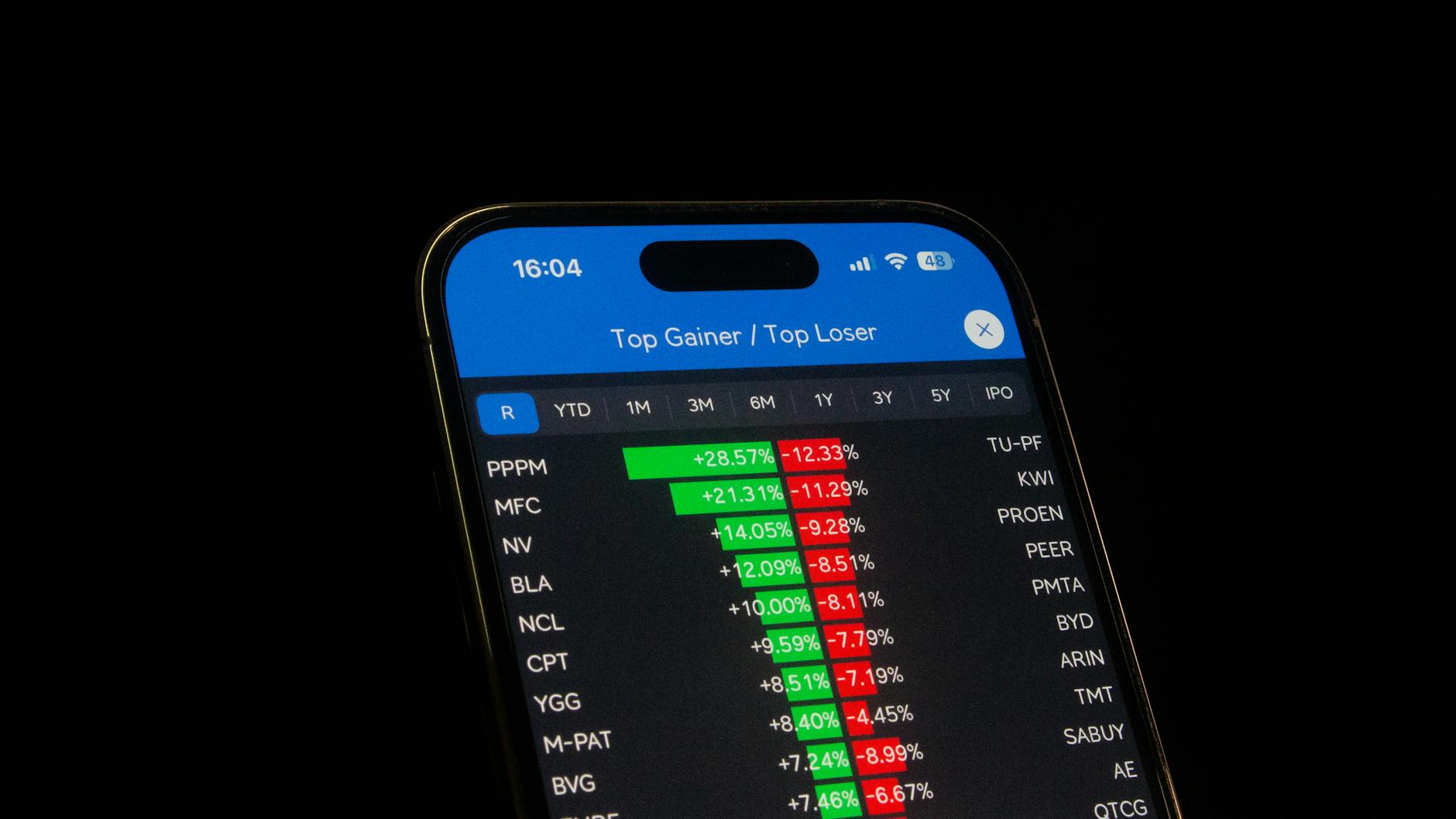
Robust infrastructure and high-speed connectivity are fundamental to prop trading success. Data centers hosting trading servers must ensure minimal latency, high availability, and scalable resources to handle peak trading volumes effectively. Cloud computing solutions are increasingly integrated to enhance flexibility, disaster recovery, and resource allocation.
High-performance network setups provide traders with instantaneous data transfer, essential for executing high-frequency strategies. Optimized routing paths, dedicated bandwidth, and proximity hosting near exchange servers further reduce latency, giving traders a competitive edge in fast-moving markets.
Advanced Integration of Prop Technologies
As the scope of proprietary trading expands, the integration of sophisticated technologies becomes indispensable for optimizing performance and ensuring seamless operations. Modern prop trading platforms leverage multi-layered application programming interfaces (APIs) that facilitate real-time connectivity with multiple liquidity providers, exchange platforms, and data feeds. This interconnected environment enables traders to access a broad spectrum of trading venues and execute multi-asset strategies efficiently.
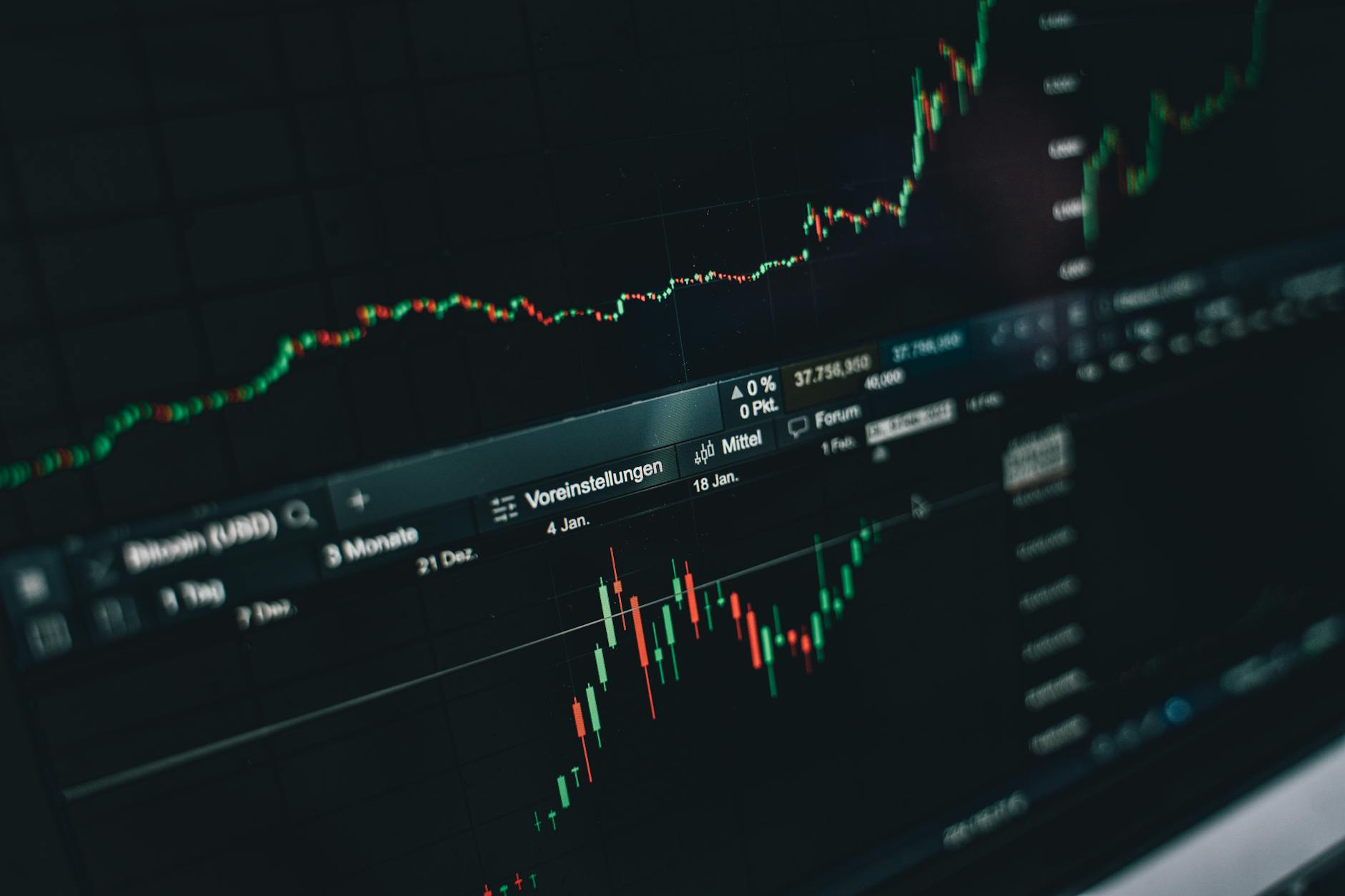
These integration frameworks support advanced order routing mechanisms, dynamic risk management protocols, and real-time market data dissemination. Compatibility with various programming languages and development platforms ensures that proprietary algorithms and custom tools can be seamlessly embedded into the trading environment, fostering innovation and adaptability.
Advanced Risk Management Tools
Modern prop platforms incorporate comprehensive risk management modules that continuously monitor trading activity to enforce risk limits dynamically. Features include real-time position tracking, automated position reduction, and intelligent anomaly detection, which identify irregular trading patterns or potential system failures before escalating. These tools empower traders and risk officers to respond swiftly to market fluctuations, preventing substantial losses and maintaining portfolio integrity.
Machine Learning and Artificial Intelligence Applications
The adoption of machine learning (ML) and artificial intelligence (AI) is transforming how prop firms analyze market data and develop trading strategies. Advanced ML models process vast quantities of historical and real-time data to identify complex patterns and predict market movements with higher accuracy. Integration of AI-driven decision support tools enables traders to refine their strategies continuously, adapt to changing market conditions, and execute trades with increased confidence.
Automation and Continuous Deployment
Trade automation extends beyond simple order execution, encompassing full-cycle automation for strategy deployment, backtesting, and performance monitoring. Continuous deployment pipelines automate updates to trading algorithms, reduce manual intervention, and accelerate innovation cycles. These automated processes ensure that trading models remain effective in dynamic markets and that technological enhancements are deployed with minimal latency.
Data Management and Analytics Infrastructure
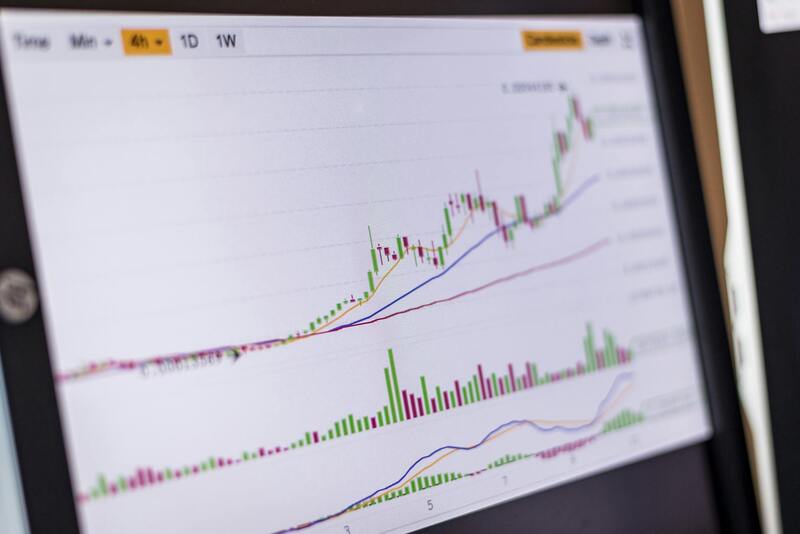
At the core of prop trading efficacy lies a robust data infrastructure capable of handling vast streams of market data, transactional records, and real-time analytics. High-performance storage solutions, coupled with advanced data processing frameworks, enable rapid querying and analytics. Visualization and reporting tools deliver actionable insights, allowing traders and analysts to make informed decisions based on comprehensive data analysis.
Security and Compliance Through Innovative Technologies
Ensuring the security of trading infrastructure and adherence to regulatory standards is achieved through the deployment of cutting-edge cybersecurity tools. Real-time threat detection systems, anomaly detection algorithms, and secure identity management protocols help safeguard sensitive data and trading activity. Moreover, these technologies facilitate compliance reporting and audit readiness, aligning operational practices with industry expectations.
High-Performance Infrastructure and Connectivity Enhancements
To support high-frequency and algorithmic trading strategies, prop firms invest heavily in infrastructure improvements. Dedicated hosting near major exchange servers, low-latency fiber optics, and optimized routing paths form the backbone of trading operations. Cloud-based solutions add scalability and disaster recovery capabilities, ensuring resilience in volatile market conditions. Networking hardware tailored for high throughput minimizes latency and guarantees swift data transmission, critical for maintaining competitive advantage.
Implementing Modern Prop Trading Technologies: Practical Steps
- Evaluate the existing technological landscape to identify gaps in connectivity, data processing, and security.
- Invest in API integration frameworks that support multi-source data aggregation and order routing.
- Deploy advanced risk management and AI-powered analytics tools to enhance decision-making processes.
- Upgrade infrastructure with dedicated servers, high-speed networking, and scalable cloud resources to reduce latency and increase reliability.
- Establish ongoing compliance monitoring using automated modules that generate audit trails and regulatory reports.
- Foster continuous innovation through automated deployment pipelines, regular system audits, and employee training on emerging tools.