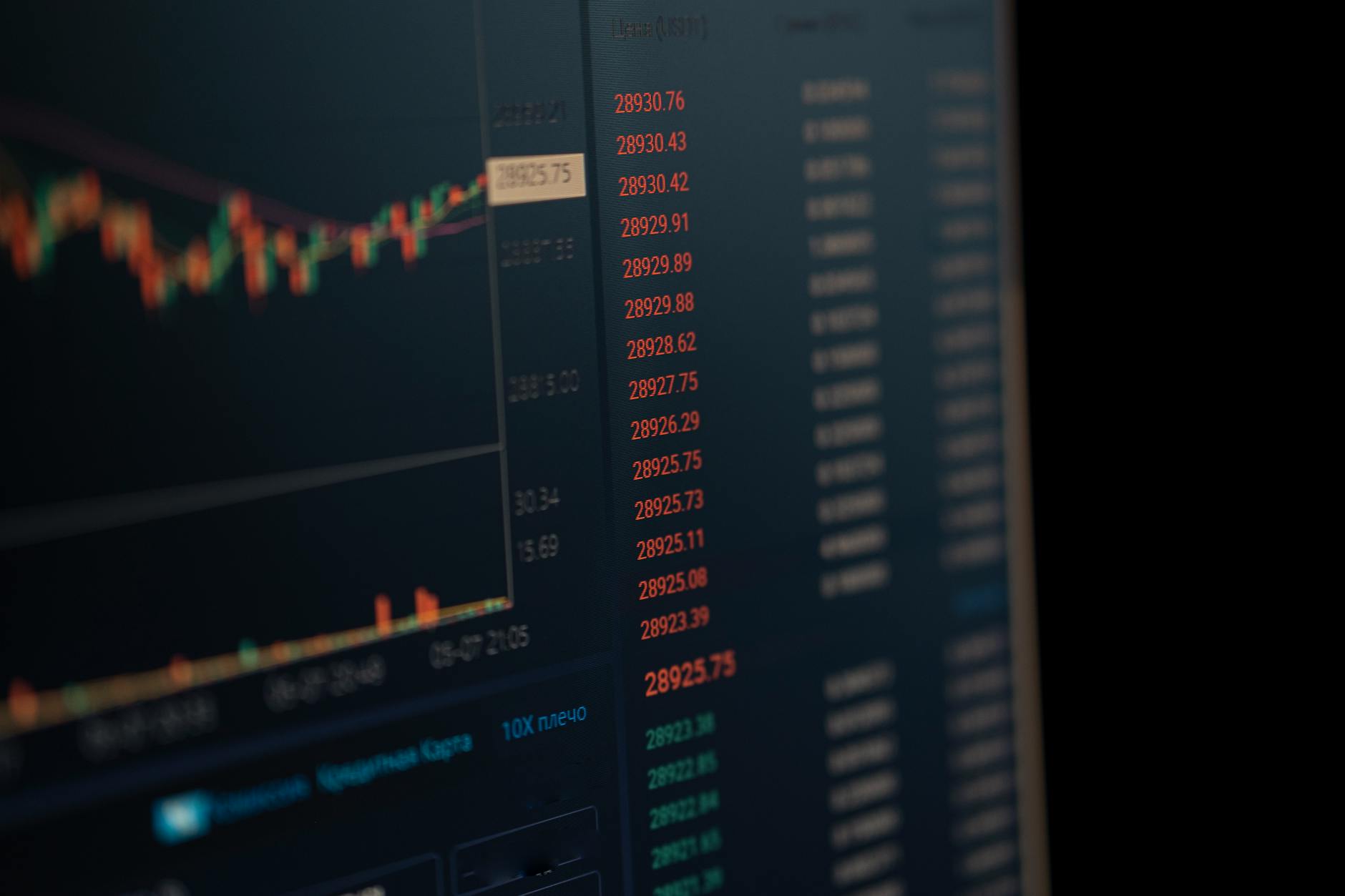
Overview of TradeTech Solutions in Financial Trading
TradeTech solutions are comprehensive technological systems designed to facilitate and optimize various aspects of financial trading. These systems encompass a broad spectrum of tools, platforms, and services that enable trading firms, proprietary trading operations, and financial institutions to execute trades efficiently, analyze market data, and manage risk effectively. The integration of advanced technology into trading operations is crucial for maintaining competitiveness in the fast-paced, data-driven landscape of modern finance.
In essence, TradeTech serves as the backbone of trading enterprise infrastructure, supporting real-time market analysis, order execution, risk management, and regulatory compliance. Their importance is underscored by the need for speed, accuracy, and reliability, which directly impact profitability and operational stability. For prop trading firms and trading desks, deploying robust TradeTech solutions can be the difference between success and missed opportunities—making thoughtful selection and implementation vital.
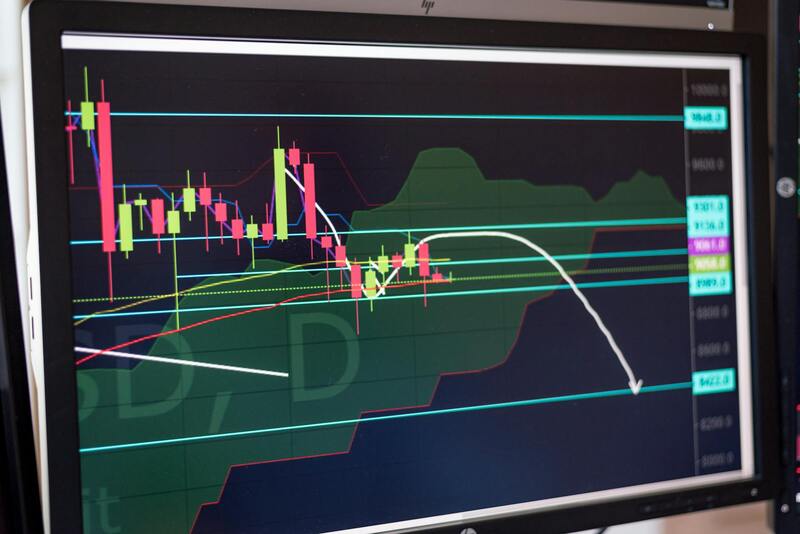
These solutions are developed with the goal of streamlining trading workflows, enhancing decision-making processes, and improving overall efficiency. From high-frequency trading algorithms to sophisticated data feeds, TradeTech is the cornerstone of systematic, disciplined trading that relies on precision and speed. As the financial markets evolve, so too does the technology, with innovations continually emerging to meet the increasing demands of traders and firms.
Moreover, TradeTech solutions contribute significantly to operational transparency and regulatory adherence. By employing integrated compliance tools and audit systems, trading entities can maintain a clear record of transactions and adhere to evolving standards. The proliferation of such technology underscores its vital role in establishing a resilient and compliant trading environment.

Overall, the strategic deployment of TradeTech solutions is fundamental for modern trading firms aiming to uphold competitive advantage, operational efficiency, and adherence to industry standards. As the trading landscape becomes increasingly sophisticated, the importance of reliable, scalable, and innovative trade technology will only grow, cementing its place as a critical component of successful financial operations.
Key Components of TradeTech Infrastructure
Implementing a robust TradeTech infrastructure requires a meticulous selection of technological components that work seamlessly to optimize trading operations. These core elements not only facilitate efficient trade execution but also support strategic decision-making, risk management, and regulatory compliance. Each component must be carefully evaluated to ensure it meets the demands of high-speed markets and sophisticated trading strategies.
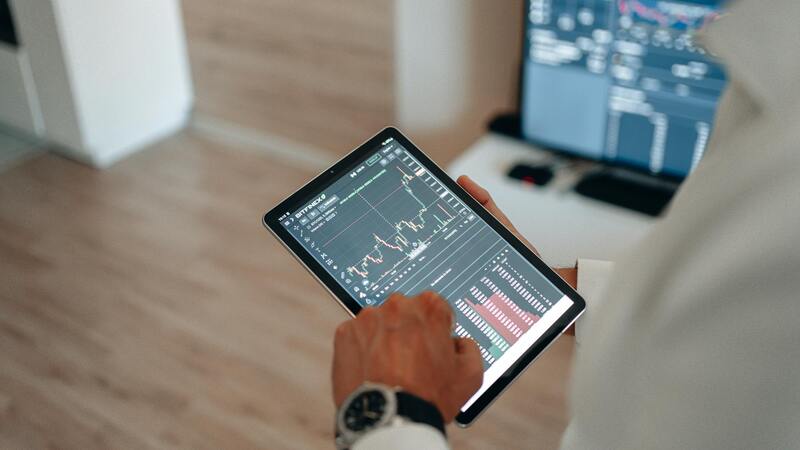
Trading Platforms and Software
At the heart of any TradeTech ecosystem lie advanced trading platforms. These platforms provide traders and firms with intuitive interfaces, real-time data analytics, algorithmic trading capabilities, and order management functions. Institutional-grade platforms are designed to handle high-volume trading with minimal latency, ensuring rapid order execution and market responsiveness. Proprietary or white-label solutions are often tailored to specific trading styles, whether scalping, arbitrage, or long-term investments.
Data Feeds and Market Data Management
Accurate, timely market data is critical in trading environments. High-quality data feeds deliver real-time prices, order book information, news, and analytical insights. Proper integration ensures that traders have access to comprehensive market intelligence, empowering them to make informed decisions swiftly. Sophisticated data management tools also enable historical analysis, backtesting strategies, and compliance reporting.
Connectivity and Execution Systems
Efficient connectivity solutions facilitate direct, low-latency links to multiple exchanges and liquidity providers. These systems use dedicated lines and optimized routing protocols to minimize delays and maximize the chances of order fulfillment at desired price points. API integrations, FIX protocol support, and cloud-based connectivity options further enhance flexibility and scalability of trading operations.
Risk Management and Compliance Systems
TradeTech solutions incorporate advanced risk management tools that monitor position limits, margin requirements, and market exposure in real-time. Automated alerts and stop-loss mechanisms help traders mitigate potential losses. Regulatory compliance modules ensure adherence to evolving standards, automatically generating audit trails and reporting documentation, thus maintaining operational transparency and reducing compliance risks.
Hardware and Infrastructure Support
The physical infrastructure, including servers, data centers, and networking hardware, underpins all electronic trading activities. High-performance computing hardware, colocated servers near exchange data centers, and robust data storage solutions contribute to achieving low latency and high reliability. Scalability considerations are vital to accommodate growth and technological advancements.
Vendor Selection and Cost Strategies
Choosing the right vendors for TradeTech components involves evaluating their technological capabilities, support services, and integration ease. Cost considerations include initial setup expenses, ongoing maintenance, licensing fees, and scalability costs. Firms often prioritize vendors with proven track records and comprehensive service agreements to ensure minimal downtime and quick resolution of technical issues.
Emerging Trends and Innovation in TradeTech
As the financial landscape continues to evolve, so will TradeTech infrastructure. Trends such as the integration of artificial intelligence and machine learning for predictive analytics, blockchain for secure transaction processing, and cloud computing for scalable infrastructure are becoming increasingly prevalent. Continuous innovation ensures that trading entities remain competitive by leveraging cutting-edge technology aligned with industry demands.
Overview of TradeTech Solutions in Financial Trading
TradeTech solutions form the backbone of modern financial trading operations, enabling brokers, prop trading firms, and institutional investors to execute transactions efficiently, accurately, and securely. These systems encompass a broad spectrum of technologies designed to optimize trading workflows, facilitate real-time decision-making, and manage complex data streams. By deploying sophisticated hardware, integrated software platforms, and advanced connectivity solutions, firms can meet the competitive pressures of high-frequency and algorithmic trading environments.

Key features of effective TradeTech solutions include ultra-low latency execution capabilities, comprehensive data management, and seamless integration with various financial exchanges and market data providers. To achieve these objectives, firms lean heavily on specialized hardware, such as colocated servers and network switches, combined with software that supports rapid data analysis and order execution. As trading volumes grow and algorithms become more sophisticated, the importance of resilient, scalable, and secure technological frameworks continues to increase.
Key Components of TradeTech Infrastructure
The development of a robust TradeTech infrastructure hinges on several critical elements:
- High-Performance Computing Hardware: Servers and processors capable of processing vast quantities of data with minimal lag.
- Low-Latency Networks: Fiber-optic connectivity and direct market access channels that reduce transmission delays.
- Data Storage and Management: Reliable databases and data lakes for historical analysis, real-time data, and compliance records.
- Colocation Services: Hosting hardware physically close to exchange data centers to minimize latency.
- Security Measures: Advanced firewalls, encryption, and intrusion detection systems to protect sensitive trading information.
Furthermore, scalability is central to a well-designed infrastructure, allowing firms to adapt swiftly to changing trading volumes and incorporate emerging technologies seamlessly.
Emerging Trends and Innovation in TradeTech
The landscape of TradeTech is continually transforming, driven by technological advances and evolving market structures. Innovations include:
- Artificial Intelligence and Machine Learning: Used for predictive analytics, market sentiment analysis, and developing automated trading strategies.
- Blockchain Technology: Facilitates secure, transparent transactions and simplifies settlement processes.
- Cloud Computing: Offers scalable resources for data storage and computational needs, enabling quicker deployment and updates.
- Enhanced Connectivity Protocols: Leveraging 5G and dedicated data lines to further reduce latency and improve resilience.
- Integrated Monitoring and Analytics Platforms: Providing real-time insights into system performance, compliance adherence, and market conditions, thereby promoting proactive management of trading systems.

As these innovations consolidate, firms are better positioned to harness complex data sets, execute trades with greater precision, and adapt rapidly to market fluctuations, ultimately driving stronger performance and competitive advantage.
Data and Connectivity Solutions
In the realm of professional trading, the robustness of data and connectivity infrastructure plays a critical role in the overall performance and reliability of operations. High-speed, stable data feeds ensure that traders receive real-time market information, which is essential for timely decision-making and executing trades efficiently. Market data providers deliver critical information, including price quotes, volume data, and order book details, which form the backbone of informed trading strategies.
Choosing the right connectivity solutions involves evaluating factors such as latency, bandwidth, and resilience. Dedicated lines, such as leased fiber optic connections, significantly reduce latency compared to general internet services, enabling traders to act on market movements quicker than competitors. Additionally, redundancy measures, such as backup internet connections and failover protocols, ensure uninterrupted trading despite network disruptions.
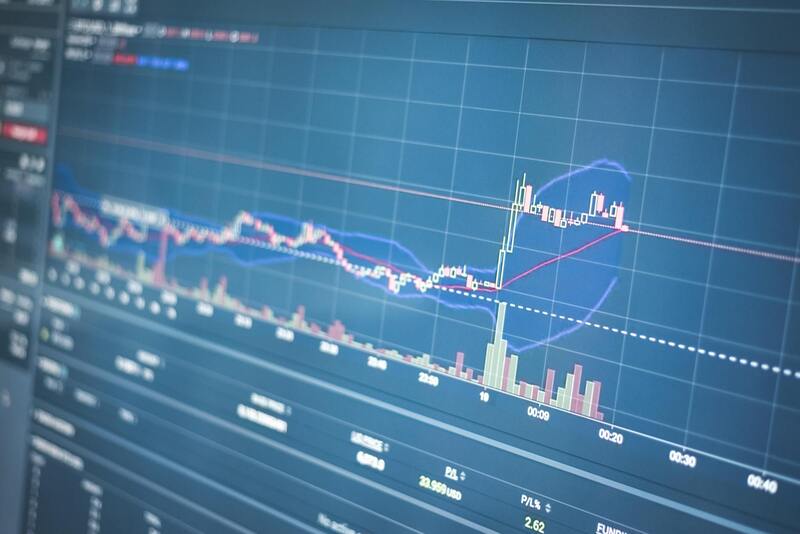
Furthermore, leveraging advanced connectivity protocols like 5G and direct data lines directly from exchanges or data centers diminishes lag and enhances system resilience. Market data management systems must be capable of handling vast data volumes efficiently, requiring scalable storage and processing capabilities. Cloud-based solutions often facilitate this scalability, allowing trading firms to expand their data handling capacities without substantial infrastructure investments.
Real-time analytics platforms integrated into the connectivity infrastructure provide traders and risk managers with instant insights into market conditions, system health, and compliance status. This proactive approach helps prevent potential issues before they impact trading performance, fostering stability in volatile markets.
Additional Challenges and Solutions
- Data Security: Implementing encryption and secure access protocols to protect sensitive market data and client information from potential cyber threats.
- Market Data Quality: Ensuring data integrity and consistency across multiple sources to support accurate trading decisions and compliance with reporting standards.
- Latency Optimization: Employing technologies such as FPGA (Field-Programmable Gate Arrays) and application-specific hardware to optimize data processing speed.
- Monitoring and Maintenance: Continual system monitoring and proactive maintenance are essential to detect and mitigate issues before they affect trading execution.

Ultimately, the effectiveness of TradeTech solutions hinges on their capacity to deliver fast, secure, and consistent data flows. As technological innovations continue to emerge, firms adopting cutting-edge connectivity strategies position themselves advantageously within competitive markets, ensuring they can respond swiftly to market shifts and capitalize on trading opportunities with precision and confidence.
Overview of TradeTech Solutions in Financial Trading
TradeTech solutions encompass a broad spectrum of technological innovations designed to optimize trading operations, enhance decision-making, and mitigate potential risks. At their core, these solutions integrate sophisticated hardware, cutting-edge software platforms, real-time data feeds, and high-speed connectivity networks to facilitate seamless, efficient, and secure trading activities. The primary goal is to empower traders and financial institutions with the tools necessary to navigate complex markets, execute strategies with precision, and maintain compliance with evolving regulatory standards.
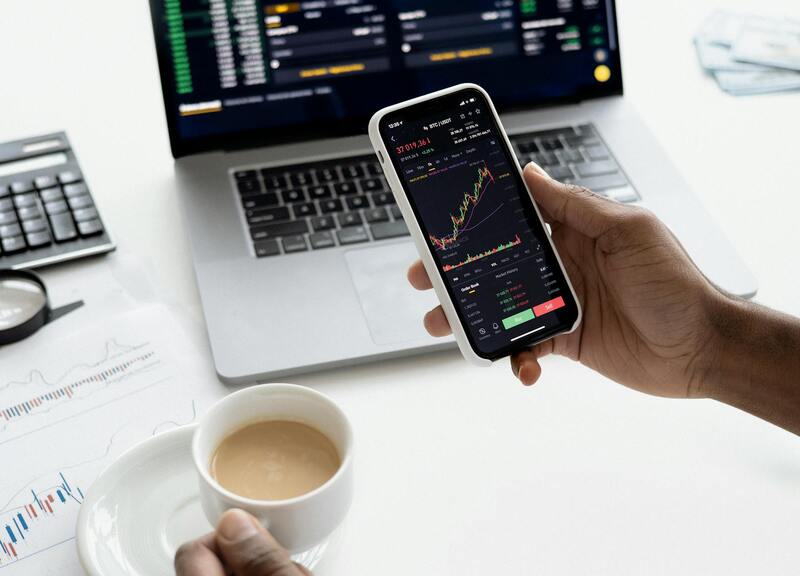
Financial trading environments rely heavily on technological infrastructure that supports rapid data processing, execution speed, and secure communication channels. From high-frequency trading firms to institutional asset managers, all participants benefit from tailored solutions that leverage automation, artificial intelligence, and machine learning. These advancements not only improve operational efficiency but also bolster risk management capabilities, allowing firms to adapt swiftly to dynamic market conditions and emerging opportunities.
Key Components of TradeTech Infrastructure
Effective TradeTech infrastructure comprises several essential elements that work in concert to deliver optimal trading performance:
- Trading Platforms and Software: Robust software frameworks facilitate order execution, portfolio management, and analytical functions. These platforms are often customizable to specific trading strategies and integrate seamlessly with other technological components.
- Market Data Feeds: Accurate, timely data streams are vital for making informed trading decisions. These feeds include real-time price quotes, news updates, and historical data that support analysis and backtesting.
- Connectivity Networks: Low-latency internet connections and dedicated leased lines ensure swift data transmission between trading systems, exchanges, and liquidity providers. The implementation of fiber optic cables and specialized hardware reduces delays that could impact trade execution.
- Hardware Infrastructure: High-performance servers, FPGA devices, and specialized racks equipped with the latest processors support the computational demands of high-speed trading environments.
Choosing Trading Platforms and Software
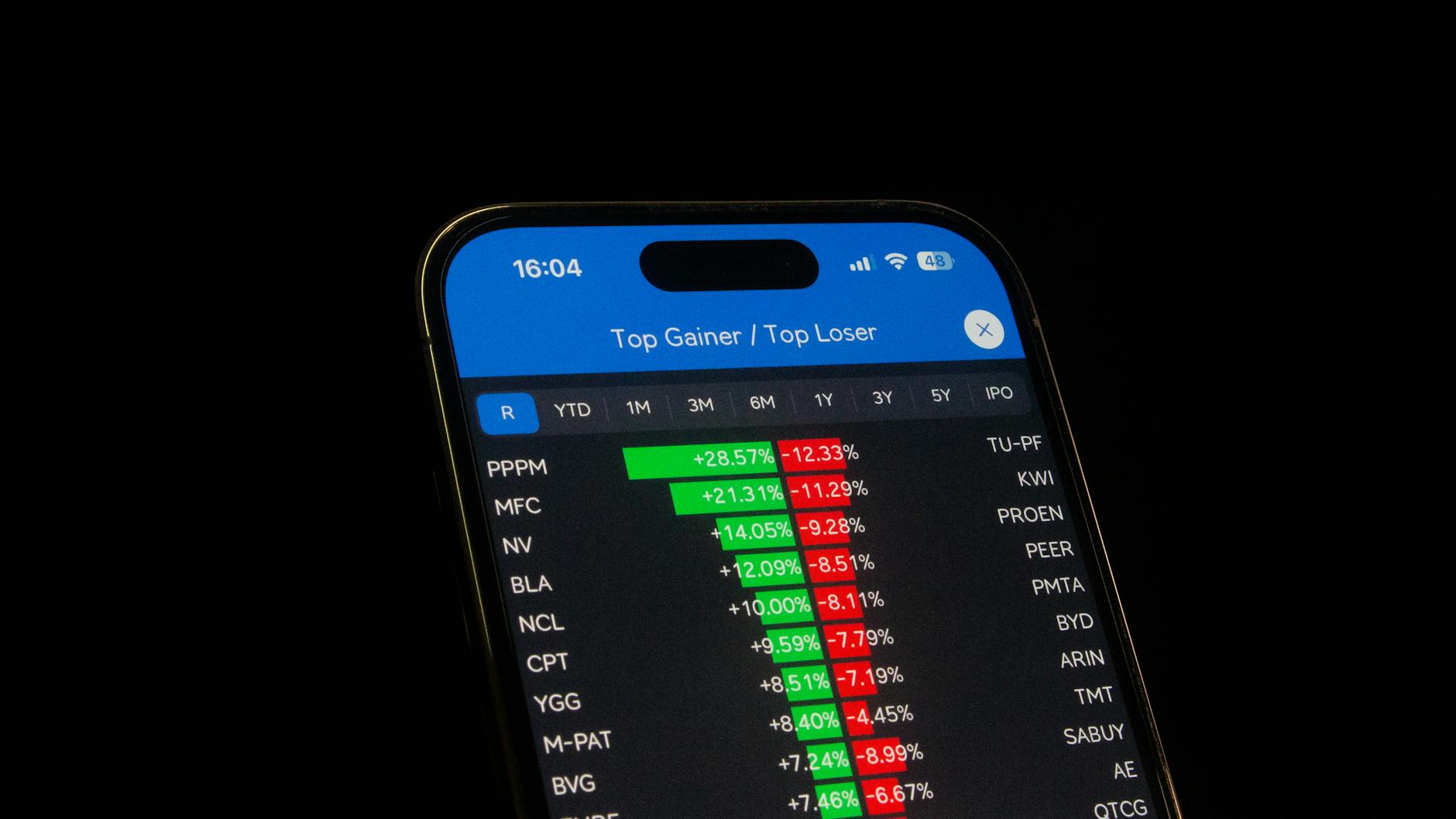
Selecting the right trading platform involves evaluating features such as execution speed, user interface, automation capabilities, and integration support. Legitimacy and transparency are critical when assessing providers, ensuring that platforms adhere to industry standards and best practices.
Popular platforms offer customizable interfaces, advanced charting tools, algorithmic trading support, and risk analysis modules. Compatibility with existing hardware and data sources, as well as scalability to accommodate growth, are important considerations. Firms should prioritize solutions from reputable vendors with proven track records in delivering reliable, secure, and compliant trading environments.
Data and Connectivity Solutions
In high-speed trading, data quality and network connectivity directly influence performance outcomes. Advanced data management practices ensure market data integrity, minimizing discrepancies that could lead to erroneous trades or compliance issues.
Connectivity solutions include:
- Dedicated fiber optic links for ultra-low latency data transfer.
- Redundant connection pathways to prevent outages.
- Proximity hosting near exchange data centers to reduce transmission times.
- Utilization of specialized hardware, such as FPGA cards, to accelerate processing speeds.
These measures collectively enhance responsiveness, supporting strategies that depend on milliseconds and microseconds for execution advantage.
Integration of Hardware and Infrastructure
Achieving optimal trading performance necessitates a meticulous integration of hardware components and network infrastructure. High-frequency trading firms and active traders depend heavily on the robustness of their hardware setup, which includes servers, storage devices, and specialized peripherals designed for rapid data processing. The choice of hardware must align with the specific demands of trading algorithms, data throughput, and latency minimization.
Hosting options play a pivotal role in infrastructure integration. Firms often opt for data centers located in proximity to exchange facilities, known as colocation or proximity hosting, to reduce transmission times and latency. These facilities are equipped with redundant power supplies, climate control, and advanced security measures to ensure uninterrupted operations.
Network solutions form the backbone of a seamless trading environment. Dedicated fiber optic lines, for instance, provide ultra-fast and secure data transfer pathways. Redundant network routes ensure continuous connectivity despite potential outages, which is critical for maintaining execution speed and data consistency. Employing high-quality switches, routers, and failover systems helps maintain stability during peak trading periods.
Furthermore, the deployment of specialized hardware accelerates processing and reduces latency. Field Programmable Gate Arrays (FPGAs), Application-Specific Integrated Circuits (ASICs), or co-processors are integrated into the trading infrastructure to execute algorithms and handle market data at a microsecond or nanosecond scale. These hardware solutions, combined with optimized network layouts, form a resilient and high-performing infrastructure tailored for competitive trading environments.

Integrating hardware and infrastructure involves continuous analysis and upgrades to adapt to evolving technological standards and trading strategies. It also requires comprehensive planning to balance cost, scalability, and performance, ensuring that the trading environment remains agile and resilient amidst changing market conditions.
- Hardware Selection: Prioritize high-speed processors, low-latency networking cards, and reliable storage systems.
- Hosting Environment: Choose proximity data centers with advanced security and redundancy features.
- Network Design: Implement dedicated lines, failover mechanisms, and edge computing solutions to cut down latency.
- Hardware Acceleration: Utilize FPGA, ASIC, and GPU solutions for algorithmic and data processing speed.
Overview of TradeTech Solutions in Financial Trading
TradeTech solutions play an integral role in modern financial trading by providing the technological backbone for executing trades, analyzing market data, and managing risk efficiently. These solutions encompass a broad array of systems, tools, and hardware designed to enhance trading performance, minimize latency, and ensure data accuracy. Integrating advanced algorithms and real-time data feeds enables traders to capitalize on fleeting opportunities and respond swiftly to market shifts. As the landscape of financial markets becomes increasingly competitive, the deployment of sophisticated TradeTech solutions has shifted from optional to essential for market participants aiming to maintain a competitive edge.
Key Components of TradeTech Infrastructure
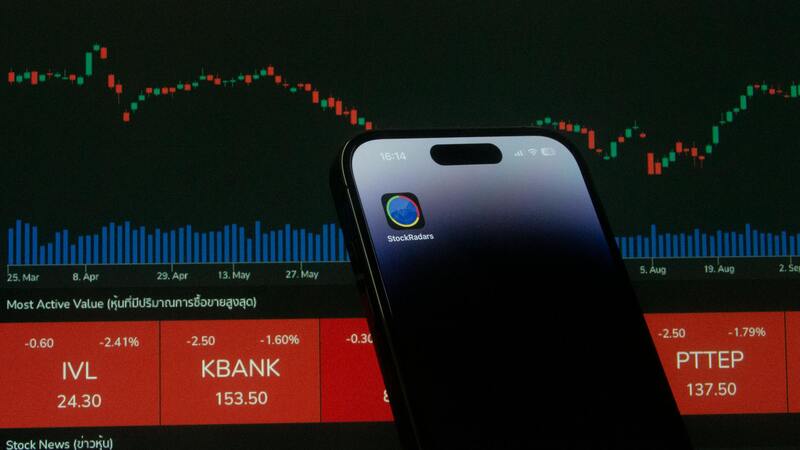
Building a resilient and efficient TradeTech infrastructure involves multiple critical components working in harmony. These include high-speed data feeds, low-latency execution engines, advanced networking hardware, and robust security measures. Collectively, they form a comprehensive ecosystem designed to support rapid, reliable trading activities and data management.
- High-speed Data Feeds: Critical for receiving real-time market information and order book updates, enabling traders to make informed decisions based on current data.
- Low-latency Execution Engines: Facilitate swift order placement and execution, minimizing delay from decision to trade execution.
- Networking Hardware: High-performance switches, routers, and dedicated lines reduce the time it takes for data to traverse the infrastructure.
- Data Storage Solutions: Fast, reliable storage systems ensure historical data is accessible for analysis and compliance purposes.
- Security Protocols: Systems designed to secure data transmission and prevent unauthorized access are vital in safeguarding trading activities.
Supporting Software Systems
TradeTech solutions also rely heavily on software components such as trading algorithms, risk management platforms, and real-time analytics tools. These programs provide traders with sophisticated tools to automate decision-making, monitor market dynamics, and manage exposure effectively.
Choosing Trading Platforms and Software
Selection of trading platforms and software solutions requires a meticulous evaluation process targeting performance, reliability, and compatibility with existing infrastructure. The ideal platform offers seamless integration capabilities, customizable interfaces, and support for multiple asset classes. Moreover, it should enable secure execution and robust reporting features.
- Performance Metrics: Opt for platforms with low latency and high throughput capabilities.
- Integration Support: Compatibility with APIs and existing hardware is essential for streamlined operations.
- User Interface and Customization: An intuitive user interface facilitates quick decision-making, while customizable layouts enhance operational efficiency.
- Security Features: Ensure the system employs advanced encryption and authentication processes.
- Regulatory Compliance: Support for audit trails and compliance reporting aligns with industry standards.

Data and Connectivity Solutions
Reliable connectivity is fundamental for effective TradeTech operations. Establishing direct, dedicated lines to exchanges reduces latency and jitter, facilitating prompt order execution. Market data feeds must be both high-quality and uninterrupted, ensuring traders have access to accurate information at all times.
- Dedicated Lines: Private fiber-optic connections to financial exchanges diminish delays associated with public networks.
- Redundant Connectivity: Multiple links and failover systems ensure uninterrupted service during outages or network disruptions.
- Optimized Routing: Network design prioritizes minimal hops and maximal throughput for critical data paths.
- Edge Computing Nodes: Localized processing at the network edge reduces the need for data to traverse longer routes, thereby decreasing latency.
Market Data Management
Managing vast amounts of incoming data efficiently requires specialized systems capable of filtering, aggregating, and analyzing information in real-time. Appropriate data management tools facilitate quick decision-making and strategic trading based on the latest market trends.
Risk Management and Compliance Tools
Implementing comprehensive risk management solutions is vital for maintaining trading discipline and adhering to regulatory standards. These tools analyze trading activity, monitor exposure, and generate alerts for potential violations or anomalies. Automation in risk management applies predefined parameters to continuously oversee positions, enforce limits, and execute risk mitigation strategies without manual intervention.
- Position Monitoring: Real-time tracking of open trades and overall exposure to various assets and markets.
- Limit Enforcement: Automated systems restrict trading activities that breach predefined risk thresholds.
- Audit and Reporting: Detailed logs and compliance reports support transparency and regulatory reviews.
- Stress Testing: Simulating adverse market conditions ensures readiness for volatility spikes and market shocks.
Legal and Security Compliance
TradeTech solutions must incorporate protocols that conform to industry standards for data security and privacy. Encryption, multi-factor authentication, and secure hardware modules are essential components that safeguard sensitive trading information against unauthorized access and cyber threats.
Integration of Hardware and Infrastructure
Establishing a robust trading environment necessitates the integration of advanced hardware components with overarching infrastructure. This encompasses high-performance servers, reliable networking equipment, and low-latency data feeds that collectively support swift transaction execution and real-time data processing. Proper integration ensures minimal downtime, efficient data handling, and seamless communication between trading applications and market data providers.
To optimize these systems, firms often deploy dedicated colocation facilities close to major exchange servers. This proximity reduces latency, offering a competitive edge through faster order execution. Redundant power supplies, cooling systems, and backup connectivity are critical to maintain uninterrupted trading operations, especially during periods of heightened volatility or technical disruptions.
Ensuring Scalability and Flexibility
Scalable hardware architecture allows trading firms to accommodate increasing data volumes and trading activity without performance degradation. Modular hardware solutions facilitate future upgrades and expansions, providing flexibility as trading strategies evolve or market conditions shift. This approach minimizes the need for frequent overhauls, thus optimizing long-term operational costs and infrastructure resilience.
Security Protocols and Data Integrity
Implementing stringent security measures at the hardware level safeguards proprietary algorithms, client data, and transaction details. Physical security controls, encrypted data storage, and secure authentication mechanisms prevent unauthorized access. Additionally, real-time monitoring tools detect anomalies or potential breaches, enabling rapid intervention and maintaining the integrity of trading activities.

Interfacing Hardware with TradeTech Platforms
Effective software-hardware interfacing involves utilizing APIs, FPGA (Field-Programmable Gate Arrays), or ASIC (Application-Specific Integrated Circuits) to accelerate data processing and order execution. Adaptive interfacing techniques ensure that hardware optimally communicates with trading algorithms, reducing latency and enhancing decision-making speed.
Maintaining Infrastructure Performance
Routine performance assessments, hardware upgrades, and proactive maintenance are essential to sustain the efficiency of trading infrastructure. Employing monitoring solutions that track system health and performance metrics enables prompt responses to potential issues, ensuring continuous, high-speed trading operations.