Overview of Prop Technology
Prop technology, also known as proprietary trading technology, encompasses advanced software systems, platforms, and tools designed to optimize the trading operations of proprietary trading firms. These firms, which trade with their own capital, rely heavily on cutting-edge technology to enhance decision-making, execute trades efficiently, and manage risk effectively. By integrating sophisticated algorithms, data analytics, and automated trading systems, prop technology significantly transforms traditional trading methods into highly efficient, data-driven processes.
At its core, prop technology enables traders and firms to process vast amounts of market data, identify potential trading opportunities swiftly, and execute trades with minimal latency. This technology-driven approach facilitates more precise strategies and better risk management, ultimately improving profitability and operational stability. As the trading landscape evolves, the role of prop technology becomes increasingly central to maintaining competitive advantage within proprietary trading environments.
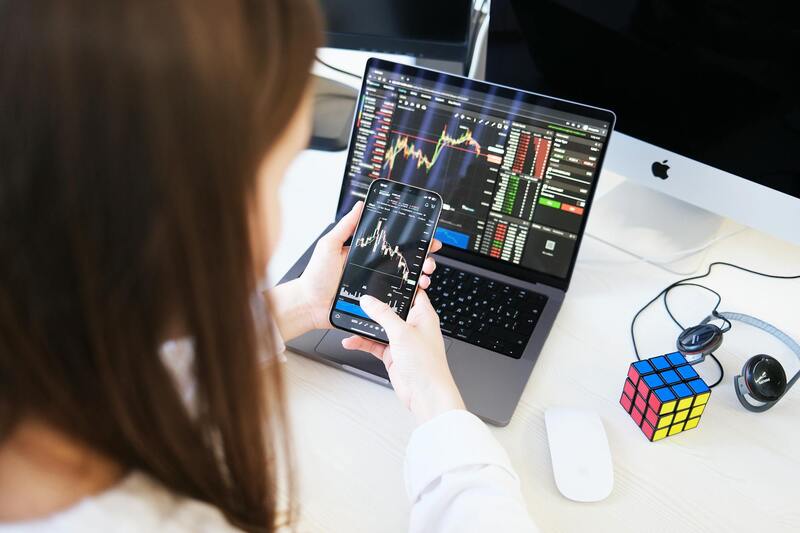
From algorithmic trading platforms to real-time market analysis tools, prop technology represents a critical advancement in how prop firms operate across global financial markets. Its role extends beyond mere automation, fostering a data-centric approach that empowers traders and management teams to make well-informed, swift decisions.
This technological evolution has also facilitated the development of comprehensive risk monitoring systems, performance assessment tools, and compliance frameworks, ensuring that prop trading activities adhere to operational standards while maximizing profitability. The integration of prop technology thus paves the way for more sophisticated and resilient trading operations.
Key Components of Prop Technology
- Trading Algorithms: Automated strategies that execute trades based on pre-defined criteria, enabling faster decision-making and execution.
- Data Analytics Platforms: Systems that analyze market data in real time, providing insights to inform trading strategies.
- Risk Management Tools: Software that monitors exposure, enforces risk limits, and provides alerts for unusual trading activity.
- Trade Execution Systems: High-speed platforms designed to minimize latency and ensure efficient order placements.
- Performance Tracking Software: Tools that evaluate trader and system performance for continuous improvement.
Each component plays a vital role in elevating prop trading operations, making them more agile, precise, and compliant with current industry standards.
Key Components of Prop Technology
Prop technology integrates several sophisticated components that collectively enhance the efficiency, precision, and safety of trading operations. Understanding these core elements is crucial for firms aiming to optimize their strategies and maintain competitive advantage in the dynamic financial environment.
Trading Algorithms
At the heart of prop technology lie advanced trading algorithms. These automated systems analyze vast datasets to identify profitable trading opportunities based on predefined parameters. They execute orders with lightning speed, ensuring traders can capitalize on fleeting market movements without manual intervention. Developing robust algorithms involves rigorous backtesting and continuous refinement to adapt to evolving market conditions, thus safeguarding against sudden shifts that could impact performance.
Data Analytics Platforms
Data analytics platforms serve as the nerve centers of prop trading setups. They aggregate real-time market data, historical information, and proprietary indicators to generate actionable insights. These platforms employ advanced analytics, including machine learning and statistical models, to detect emerging trends, evaluate asset volatility, and optimize trade entries and exits. Proper integration of analytics tools enables traders to adjust strategies proactively, minimizing risks and enhancing profitability.
Risk Management Tools
Risk management is vital for sustaining trading activities over the long term. Specialized software monitors exposure levels, enforces predefined risk limits, and issues alerts for abnormal trading behavior. These tools facilitate real-time risk assessment, allowing traders and managers to respond swiftly to potential issues. Moreover, they support compliance with internal policies and external regulations, ensuring that risk mitigation measures are consistently applied across all trading activities.
Trade Execution Systems
Effective trade execution systems are engineered for minimal latency and high reliability. These high-speed platforms connect to multiple exchanges and liquidity providers, executing orders instantly as signals are generated. They support sophisticated order types and routing logic, enabling traders to select the most advantageous venues for trades. Efficient execution reduces slippage and enhances overall trading performance, especially during volatile market conditions where timing is critical.
Performance Tracking Software
Continuous performance evaluation is essential for refining trading strategies and institutional improvements. Performance tracking tools record detailed metrics on trader decisions, profit and loss reports, and system efficiencies. They facilitate comprehensive reviews, allowing traders to identify strengths and areas for development. By integrating performance data with behavioral analytics, firms can tailor training programs, optimize algorithms, and establish best practices that drive consistent growth.
Overview of Prop Technology
Prop technology, a vital component within the proprietary trading landscape, encompasses a suite of advanced tools, systems, and software designed to enhance trading efficiency, risk management, and compliance. It integrates cutting-edge technological solutions into trading operations, enabling firms and traders to adapt swiftly to dynamic market conditions while maintaining robust control over their activities. By leveraging sophisticated algorithms, real-time data analytics, and automated execution platforms, prop technology transforms traditional trading practices into highly optimized, data-driven processes, providing a competitive edge in a fast-paced environment.

Core Aspects of Prop Technology
At the heart of prop technology are specialized systems tailored to meet the rigorous demands of proprietary trading firms. These include risk management tools, order execution platforms, data analytics, and performance tracking solutions, all designed to operate seamlessly within high-stakes trading environments. The integration of these components creates a comprehensive infrastructure that supports strategic decision-making, rapid order placement, and continuous performance assessment.
Implementing prop technology not only streamlines operational workflows but also enhances the ability to monitor and control risk in real-time. Such systems enable traders to adhere to predefined risk parameters automatically, thereby reducing the likelihood of significant losses. Moreover, they facilitate compliance with internal policies and external market regulations, ensuring that trading activities remain within established boundaries and standards.
Security and Infrastructure in Prop Technology
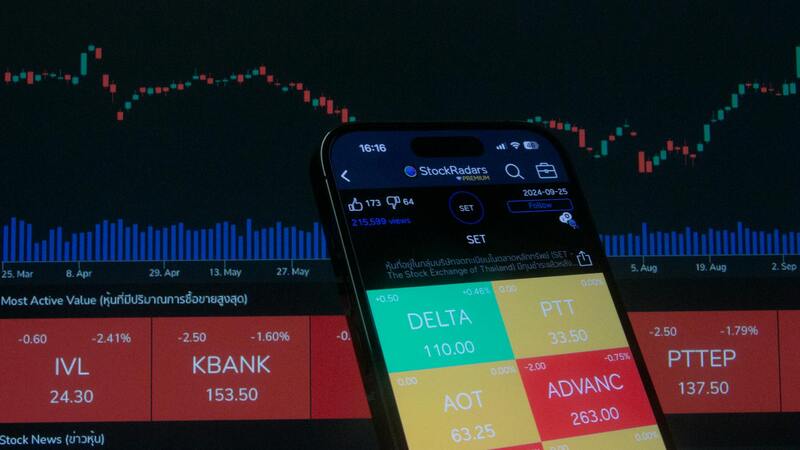
Robust data security measures are integral to prop technology, safeguarding sensitive information against cyber threats and unauthorized access. These systems employ encryption, multi-factor authentication, and secure data centers to protect trading data and client information. Additionally, reliable network infrastructure minimizes downtime and latency, ensuring that trades are executed swiftly and without interruption. Continuous system upgrades and maintenance are vital to keep pace with evolving technological standards and security challenges.
Integration and Scalability
Seamless integration of various prop technology components—such as trading platforms, risk management tools, and data analytics systems—is essential for operational coherence. Modern solutions are designed to be scalable, allowing firms to expand their trading volume, incorporate new asset classes, or adapt to regulatory requirements without overhauling existing frameworks. Cloud-based solutions and modular designs facilitate flexible upgrades and integration with third-party services, ensuring that the technology infrastructure evolves alongside the firm's growth and strategy.
Implementation of Prop Technology in Trading Operations
Integrating prop technology into existing trading workflows requires a thorough understanding of the firm's operational architecture. The goal is to streamline trading activities while maintaining control over risk and compliance standards. This process involves several critical steps that ensure a smooth transition and maximize the technology’s impact on trading efficiency.
Assessment and Planning
Before deployment, a comprehensive assessment of current systems and infrastructure is essential. This includes evaluating trading platforms, data management systems, and security protocols. Based on this evaluation, a strategic plan is developed to outline integration pathways, timeline, and resource allocation. During this stage, customization of the technology solutions to fit specific trading strategies and operational requirements is typically undertaken.
Integration with Existing Infrastructure
Successful implementation relies on seamless integration between new prop technology components and existing infrastructure. Modern systems support APIs and standardized data exchange protocols, which facilitate connectivity between various modules such as order management, risk control, and analytics platforms. Compatibility with legacy systems is carefully assessed to prevent disruptions and ensure data consistency across platforms.
Data Migration and Testing
Migration of historical data and real-time data feeds into the new system must be meticulously executed. Rigorous testing procedures are necessary to verify system performance, latency, and security features. Simulation environments are often used to replicate live trading conditions, allowing the team to identify and address potential issues before full-scale deployment.
Training and Support
Effective training programs are vital for traders and support staff to adapt to new tools and workflows. Ongoing technical support ensures minimal downtime and quick resolution of any operational hiccups. Documentation and user guides are also provided to facilitate ongoing learning and troubleshooting.
Monitoring and Optimization
Once operational, continuous monitoring of the prop technology systems helps identify bottlenecks and areas for improvement. Data analytics are leveraged to assess system performance, trading metrics, and risk exposure. Regular updates and enhancements maintain system resilience and incorporate advances in technology that can further refine trading capabilities.
Regulatory and Security Considerations
Implementing prop technology within trading environments necessitates a focus on maintaining compliance with industry standards and safeguarding sensitive data. Strict access controls, audit logs, and encryption are standard practices that protect trading activities from malicious threats and unauthorized interventions. Ensuring the system adheres to established regulatory frameworks also involves regular audits and updates to security protocols.
Data Security Protocols
- Encryption of at-rest and in-transit data to prevent interception.
- Multi-factor authentication for user access control.
- Secure data centers with robust physical and network security measures.
- Regular vulnerability assessments and penetration testing to detect potential weaknesses.
Compliance and Audit Trails
- Implementation of comprehensive audit logs to track user activity and data access.
- Automated reporting tools that facilitate compliance documentation.
- Alignment with market conduct standards and transactional transparency requirements.
Emerging Trends in Prop Technology
Advancements such as artificial intelligence and machine learning are increasingly integrated into prop technology systems. These innovations enhance predictive analytics, automate routine tasks, and improve decision-making precision. Additionally, the rise of blockchain technology offers potential for transparent, tamper-proof transaction records, further reinforcing trust and security within trading ecosystems.
Automation and AI Integration
- Enhanced algorithmic trading capabilities driven by machine learning models.
- Automated risk assessment tools that adapt to market changes.
- Real-time monitoring and anomaly detection to prevent trading errors.
Cloud-Based Solutions and Modular Architectures
- Flexible, scalable infrastructure that supports rapid deployment of new tools.
- Cost-effective solutions with reduced hardware maintenance.
- Enhanced collaborative capabilities across geographically dispersed teams.
Selecting and Evaluating Prop Technology Providers
Choosing the right provider involves a careful review of their technological capabilities, support services, and track record in delivering reliable solutions. Key criteria include system compatibility, customization options, security measures, reputation within the industry, and ongoing support for updates and troubleshooting.
Evaluation Factors
- Proven experience in delivering robust prop trading systems.
- Compatibility with existing infrastructure and scalability potential.
- Comprehensive security protocols and compliance adherence.
- Availability of training and technical support services.
- Client testimonials and case studies demonstrating successful implementations.
Future Outlook for Prop Technology
Forecasts suggest that prop technology will continue to evolve rapidly, driven by innovations in AI, big data analytics, and automation. Future systems are expected to offer greater customization, predictive insights, and enhanced integration with emerging financial instruments. The adoption of distributed ledger technologies may further increase transparency and operational efficiency, shaping the landscape of prop trading in the years to come.
Overview of Prop Technology
Proprietary trading technology, commonly known as prop technology, encompasses a sophisticated suite of software, hardware, and investigative tools designed to optimize trading workflows, risk management, and data analysis within proprietary trading firms. It serves as the backbone for traders and firms seeking to gain competitive advantages through enhanced execution speed, algorithmic trading capabilities, and comprehensive market insights. As the trading landscape becomes more complex and data-driven, the importance of cutting-edge prop technology continues to rise, enabling firms to implement systematic trading strategies, automate decision-making processes, and monitor performance in real-time.

Key Components of Prop Technology
Building a robust prop trading infrastructure involves several integral components that ensure efficiency, security, and adaptability:
- Trading Platforms: These are the core interfaces that traders use to execute orders, manage portfolios, and analyze market data. Modern platforms integrate advanced charting tools, automated trading bots, and real-time analytics, fostering rapid decision-making.
- Data Management Systems: Reliable and swift data handling capabilities enable traders to process vast amounts of market and proprietary data. These systems include data feeds, storage solutions, and analytics engines capable of supporting high-frequency trading structures.
- Risk Management Tools: Effective risk controls are embedded within prop technology to prevent overexposure and margin violations. These include real-time position monitoring, stop-loss automation, and scenario analysis modules.
- Connectivity Infrastructure: Low-latency communication channels and direct market access infrastructure reduce delays and improve execution speeds—crucial factors in high-frequency trading environments.
- Security Protocols: Ensuring data integrity and system security is paramount. Cryptographic measures, multi-factor authentication, and intrusion detection systems protect proprietary information and trading assets.

Benefits for Prop Firms and Traders
Utilizing advanced prop technology affords multiple advantages that can significantly improve trading performance and operational efficiency:
- Enhanced Speed and Precision: Automated algorithms and high-speed connectivity empower traders to capitalize on fleeting market opportunities with minimal latency.
- Increased Analytical Capabilities: Data-driven insights enable more informed decision-making, helping traders refine strategies based on historical and real-time analytics.
- Risk Mitigation: Built-in risk management tools allow for continuous monitoring of positions and automatic reduction of exposure during volatile conditions.
- Operational Scalability: Modular software solutions support scalable growth, allowing firms to expand their trading volumes and diversify into new asset classes seamlessly.
- Cost Efficiency: Cloud computing and virtualized infrastructure reduce hardware and maintenance expenses while providing on-demand resource allocation.
Implementation of Prop Technology in Trading Operations
The deployment of prop technology involves methodical planning and integration. Firms typically start with a thorough evaluation of existing systems, identifying gaps and technological needs. Transitioning to new platforms necessitates a phased approach to minimize disruptions and ensure compatibility with legacy hardware and software. Successful integration requires collaboration between IT specialists, traders, and compliance teams, emphasizing process automation, data security, and user training.
Effective implementation also relies on selecting providers capable of delivering tailored solutions, regular system performance audits, and rigorous testing to validate operational integrity. As trade volumes grow and market dynamics shift, continuous upgrades and the adoption of new features are essential to maintaining a competitive edge within the fast-paced realm of prop trading.
Implementation of Prop Technology in Trading Operations
Integrating prop technology into trading operations demands a strategic and systematic approach to ensure seamless adoption and maximum efficiency. Firms typically initiate the process with a comprehensive assessment of their existing systems, pinpointing areas where technological advancements can optimize performance. This evaluation helps identify gaps, redundant processes, and opportunities for automation, laying the foundation for an effective transition.
The next step involves developing a detailed migration plan that prioritizes minimal disruption to ongoing trading activities. Transitioning to new platforms often follows a phased implementation strategy, enabling firms to test new systems in controlled environments before full-scale deployment. This approach minimizes risks associated with compatibility issues and operational hiccups.—key considerations include aligning new software with legacy hardware, ensuring data integrity, and maintaining high system uptime.
Once the planning phase concludes, executing the integration involves close collaboration among IT specialists, traders, compliance teams, and operational staff. This multidisciplinary effort ensures that technical configurations support trader workflows, risk management protocols, and regulatory requirements. Focused training sessions are pivotal to familiarize users with new functionalities and interfaces, promoting swift adaptation.
Successful deployment emphasizes automation—reducing manual intervention in order placement, risk calculations, and order routing. Automated systems increase speed, reduce human error, and allow for real-time analysis, which is essential in the high-frequency environment of prop trading. Additionally, implementing robust security measures, such as encryption and access controls, safeguards sensitive trading data from potential cyber threats.
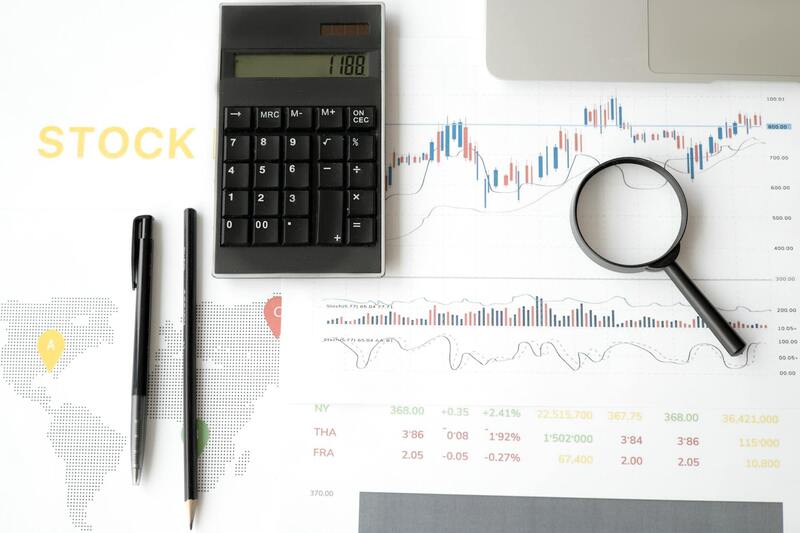
Monitoring and auditing are ongoing facets of prop technology deployment. Regular performance audits ensure that software updates and patches are correctly applied, system stability is maintained, and performance metrics meet expectations. Continuous improvements, driven by market developments and technological innovations, help firms stay competitive and agile in dynamic market conditions.
Furthermore, incorporating real-time analytics and data visualization tools into trading platforms enhances traders' ability to interpret market movements swiftly. APIs (Application Programming Interfaces) facilitate connectivity with external data sources and third-party tools, fostering a cohesive ecosystem of trading resources. As procedural workflows mature, firms often adopt tailored customization features that align specific operational strategies with technological capabilities, ensuring their unique trading objectives are well-supported.

In order to maximize the benefits of prop technology, continuous training, comprehensive documentation, and personnel development are essential. As market conditions evolve, so do the functionalities and features of trading systems, making ongoing education vital for traders and support staff. This commitment to progression not only optimizes current workflows but also positions the firm for future expansions and technological upgrades, ensuring sustained success in the competitive landscape of prop trading.
Overview of Prop Technology
Proprietary trading technology, commonly known as prop technology, encompasses advanced software solutions, hardware infrastructure, and integrated systems designed to optimize and streamline trading operations within proprietary trading firms. This technology is tailored to meet the specific demands of high-frequency and algorithmic trading, offering traders and firms real-time data analysis, automated order execution, risk management tools, and sophisticated trading algorithms. The core objective of prop technology is to provide a competitive edge through enhanced speed, precision, and decision-making capabilities that are essential in today's fast-evolving financial markets.

Key Components of Prop Technology
Prop technology integrates multiple essential components that form the backbone of a seamless trading environment:
- Trading Platforms: Custom or off-the-shelf platforms that facilitate order management, position tracking, and market analysis.
- Data Feeds and Market Data Management: Real-time data streams from exchanges, news outlets, and other sources to support informed decision-making.
- Automated Trading Algorithms: Algorithms that execute trades based on predefined strategies, market conditions, and statistical models.
- Risk Management Tools: Software modules that monitor exposure, enforce trading limits, and implement stop-loss or take-profit protocols.
- Connectivity Infrastructure: High-speed internet, low-latency servers, and network optimization to ensure rapid order execution and data transmission.
- Back-office Systems: Software for compliance, reporting, and record-keeping to ensure transparent and efficient operations.
Benefits for Prop Firms and Traders
Implementing robust prop technology provides multiple advantages, including:
- Enhanced Speed and Execution: Low-latency connectivity and optimized algorithms enable rapid trade execution, critical in volatile markets.
- Improved Decision-Making: Advanced analytics and real-time data visualization support traders in identifying opportunities swiftly.
- Automation Capabilities: Automated systems reduce manual errors and free traders to focus on strategic decision-making.
- Risk Reduction: Automated risk management tools protect against excessive losses and enforce compliance policies.
- Operational Efficiency: Integration of systems lowers overhead, streamlines workflows, and enhances team coordination.
Implementation of Prop Technology in Trading Operations
Successfully integrating prop technology into trading operations depends on strategic planning and meticulous execution. This process involves selecting suitable software and hardware, configuring infrastructure to match specific trading strategies, and establishing protocols for ongoing maintenance and updates. Collaboration among IT specialists, traders, and compliance teams ensures that the technological ecosystem aligns with operational needs and regulatory standards.
Data integration is essential; connecting multiple data sources, including exchange feeds, economic calendars, and news alerts, creates a comprehensive information environment. Customization of trading algorithms and interface settings allows firms to tailor systems to their unique strategies, whether they focus on scalping, trend following, or market making. Regular performance testing and system audits help identify bottlenecks or vulnerabilities, ensuring stable and reliable trading activities.

Regulatory and Security Considerations
While prioritizing operational excellence, firms must also implement comprehensive security protocols to safeguard sensitive data and prevent unauthorized access. Encryption, multi-factor authentication, and secure network architectures are fundamental in protecting trading systems and proprietary information. Additionally, adherence to industry-standard compliance frameworks ensures that trading activities align with established best practices and regulatory expectations.
Regular security audits, vulnerability assessments, and staff training programs are critical to maintaining a resilient technological environment. Proper data management procedures, including backup and disaster recovery plans, safeguard against potential disruptions and data loss. Transparency and detailed record-keeping support audit processes and operational reviews, which are integral to maintaining trust and integrity in proprietary trading operations.
Emerging Trends in Prop Technology
Prop technology is continuously evolving, driven by innovations in artificial intelligence, machine learning, and quantum computing. The integration of AI-enhanced predictive analytics allows firms to refine algorithms, adapt to market shifts more swiftly, and identify novel trade opportunities. Cloud-based solutions offer scalable infrastructure options, reducing initial capital expenditures and enabling dynamic resource allocation.
Furthermore, the rise of blockchain technology presents opportunities for secure transaction settlement and transparency in trading activities. As the industry moves forward, emphasis on cross-platform connectivity, customization, and data-driven insights will shape the development of next-generation prop systems, keeping firms at the forefront of technological advancement.
Evaluating and Maintaining Prop Technology Systems
For proprietary trading firms, the continuous evaluation and diligent maintenance of prop technology systems are vital to sustain optimal performance and operational integrity. This process involves systematically assessing the effectiveness of existing tools, infrastructure, and integrations to ensure they align with the firm’s strategic objectives and adapt seamlessly to evolving market conditions.
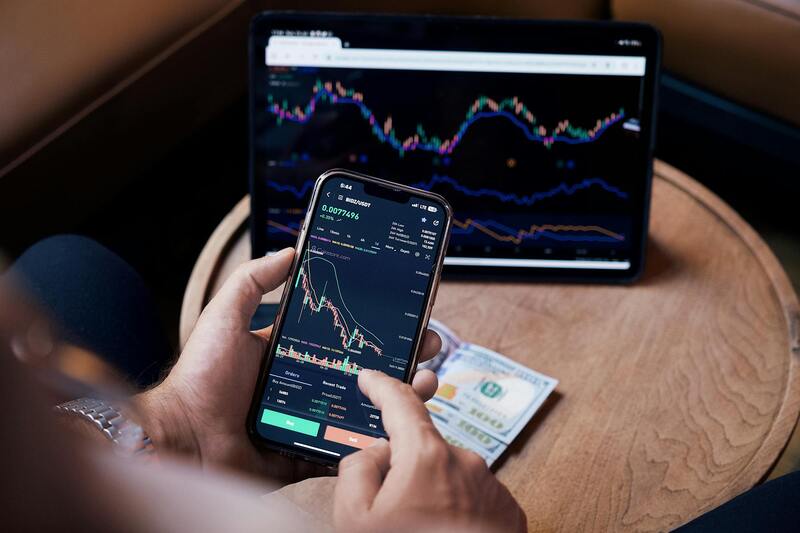
Periodic performance reviews should be conducted to identify bottlenecks, inefficiencies, or outdated components that could impede trading efficacy. Metrics such as system uptime, transaction latency, and data accuracy are critical indicators of operational health. Employing comprehensive audit trails not only facilitates troubleshooting but also supports adherence to adherence standards and internal policies.
Routine Security and Compliance Protocols
Maintaining a resilient technological environment requires robust security measures. This includes implementing multi-layered cybersecurity protocols such as encryption, intrusion detection systems, and secure authentication mechanisms. Given the sensitive nature of trading data, regular vulnerability assessments and penetration testing are essential to identify potential entry points for malicious actors.
Compliance with established industry standards involves maintaining detailed records of all system activities, trade executions, and data handling practices. These records should be securely stored and easily retrievable for audits or investigations, contributing to transparent operations and accountability.
Updating and Scaling Infrastructure
As trading volumes grow and market complexity increases, prop technology systems must scale accordingly. This can involve expanding server capacity, upgrading networking hardware, or adopting cloud-based solutions for greater flexibility. Regular updates to software and hardware components ensure that infrastructure remains compatible with new tools and security protocols.
Automation plays a significant role in managing updates efficiently. Automated patch management and system checks minimize downtime and reduce the risk of human error, ensuring continuous operational readiness.
Monitoring Market Changes and Technology Adaptation
Prop firms need to stay attuned to new market trends and technological advancements. Regularly analyzing changes in market dynamics allows traders and systems to adjust algorithms and strategies accordingly. Simultaneously, staying informed about innovative tools—such as enhanced AI models or blockchain integrations—facilitates the integration of new functionalities that improve trading precision and transparency.
Investing in Staff Training and Development
Technical proficiency among staff members is crucial for managing complex prop technology ecosystems. Continuous training initiatives ensure that team members are familiar with updates, security practices, and troubleshooting procedures. This proactive approach reduces operational risks and enhances overall system resilience.
Future-Proofing Prop Technology
Forward-thinking firms are implementing modular architectures that enable easy upgrades and integration of emergent technologies. Emphasis on interoperability ensures that new tools can be incorporated without disrupting existing workflows. Additionally, adopting data analytics and machine learning models helps inform strategic decisions, fostering a proactive rather than reactive approach to technological evolution.