Understanding Proprietary Trading and the Industry Landscape

Starting a proprietary trading firm involves entering a specialized sector of the financial industry where trading capital is provided by the firm itself, rather than clients’ money. Proprietary trading, often abbreviated as prop trading, allows traders to utilize firm-funded capital to execute trades across various markets, including equities, commodities, currencies, and derivatives. This business model has grown significantly over recent years, driven by an increased demand for innovative trading strategies and technological advancement.
In the current industry environment, prop trading firms are characterized by their focus on generating profits from market movements, leveraging advanced algorithms, and employing experienced traders. Unlike traditional investment firms, prop firms operate with a distinct objective: to maximize their trading profits using their own resources, which necessitates a comprehensive understanding of market dynamics and risk management.
The industry landscape is marked by a diverse range of business models. Some firms emphasize algorithmic trading, investing heavily in automated systems and machine learning algorithms. Others focus on discretionary trading, where skilled traders identify market opportunities manually. Many firms combine both approaches to diversify their strategies and reduce risk. The typical trader profiles within these organizations range from quantitative analysts and algorithm developers to experienced professional traders with a deep understanding of market behavior.
The demand for prop trading firms has been bolstered by technological innovations that enable real-time data analysis and rapid decision-making. Additionally, the relatively flexible operational structures in these firms allow for quick adaptation to market changes, making them attractive prospects for aspiring entrepreneurs in the financial sector. Understanding these industry dynamics is crucial for anyone seeking to establish a successful prop trading operation, as it influences decisions related to strategy, infrastructure, and compliance.

Understanding Proprietary Trading and the Industry Landscape
Proprietary trading, often abbreviated as prop trading, involves trading financial instruments with a firm's own capital, aiming to generate profits from market activities. This sector has seen significant growth driven by advances in technology, sophisticated data analytics, and an expanding array of trading strategies that blend automation with discretionary decision-making. The landscape of the industry reflects a shift towards more integrated approaches, where firms leverage high-frequency trading algorithms alongside skilled traders who can interpret complex market signals.
Establishing a prop trading firm requires a detailed understanding of various strategic components. These include choosing your core trading approach, whether algorithmic, discretionary, or a hybrid of both. Success depends on recruiting talented traders skilled in a specific niche, be it equities, commodities, forex, or derivatives, alongside technical teams capable of maintaining and developing advanced trading systems.

The industry landscape offers a variety of operational models to consider. Some firms focus heavily on quantitative analysis, employing data scientists and programmers to develop trading algorithms that execute trades at lightning speed, capitalizing on minute market movements. Others rely more on discretionary trading, where experience and market intuition guide decisions. The most versatile firms are those that successfully integrate both, diversifying risk and expanding revenue streams.
Market data analysis and strategic development form the backbone of a profitable prop trading operation. Identifying profitable trading opportunities involves continuous research, testing, and refinement of strategies tailored to current market conditions. Advanced analytical tools and back-testing platforms enable traders and analysts to evaluate the potential effectiveness of strategies before deployment, reducing exposure to unforeseen losses.
For entrepreneurs considering the launch of a proprietary trading operation, understanding these industry dynamics facilitates better planning in areas such as infrastructure setup, trader recruitment, risk management, and compliance. Recognizing what makes a firm successful in this competitive environment is the first step toward establishing a sustainable and profitable enterprise.
Understanding Proprietary Trading and the Industry Landscape
Starting your own prop trading firm requires a comprehensive grasp of both the trading environment and the key operational aspects that drive success. Proprietary trading involves using a firm's own capital to generate profits through strategic market engagement, relying heavily on sophisticated trading models and market insights. The industry landscape features diverse models, from algorithm-driven strategies to discretionary trading, often combining both approaches to optimize performance and risk management.
The complexity of this field stems from the need to balance technological innovation with skilled human input. Whether focusing on high-frequency trading (HFT), quantitative analysis, or discretionary strategies, entrepreneurs must understand the nuances of each approach to craft a distinct competitive edge. Recognizing the role of markets—equities, derivatives, forex, or commodities—is crucial for selecting a niche that aligns with your firm's strengths and resources.
A successful prop trading enterprise integrates robust data analysis, technological infrastructure, and talented personnel. This synergy enables rapid decision-making and execution, vital in times of high volatility or when capturing fleeting market opportunities. Building awareness around the latest industry tools and methodologies, as well as network relationships within trading clusters, can significantly impact your firm's early development and long-term viability.

Developing a Business Plan and Strategy
Establishing a solid business plan is a critical step in starting your own prop trading firm, providing a roadmap for operational, financial, and strategic growth. Your plan should clearly define the firm’s mission, target markets, trading strategies, and competitive advantages. It’s also essential to identify key performance indicators (KPIs) to measure success and ensure your strategies adapt to evolving market conditions.
When designing your trading approach, consider the specific markets and instruments you intend to focus on, such as equities, derivatives, forex, or commodities. Each market demands tailored strategies, technology setups, and risk management techniques. For example, high-frequency trading (HFT) requires ultra-low latency infrastructure, while discretionary trading might lean more heavily on experienced traders and qualitative analysis.
In addition to defining your core trading methodologies, your business plan should encompass operational procedures and internal controls. This includes establishing trading guidelines, trade execution protocols, and procedures for monitoring performance and compliance. To attract and retain talent, outline staffing needs, including traders, analysts, and technical support teams, alongside the qualification criteria for each role.
Market Differentiation and Competitive Edge
Identifying what sets your firm apart begins with an honest assessment of your strengths, whether it’s access to exclusive data feeds, proprietary algorithms, or advanced technological infrastructure. Developing unique trading algorithms or leveraging machine learning models can provide novel ways to exploit market inefficiencies. Furthermore, establishing partnerships with data providers or technology vendors can enhance your trading performance and operational reliability.
Risk management loops into your strategic planning, requiring that you develop comprehensive frameworks for capital allocation, position sizing, and loss limits. Implementing stress testing and scenario analysis helps anticipate potential market shocks and prepares your firm to withstand adverse conditions. Your risk management protocols should be integrated into your overall strategy, ensuring that every trader and team member adheres to these policies to preserve capital and maintain operational integrity.
Operational and Growth Planning
Operational planning encompasses the infrastructure setup, technology procurement, and licensing arrangements necessary to support trading activities. Incorporating scalability into your business strategy is vital—your plan should outline how to expand your trading capacity, diversify strategies, or enter new markets.
Continuous review and adaptation of your strategic plan are paramount. Market dynamics change rapidly, and staying ahead requires ongoing research, technology upgrades, and data analysis. By maintaining a flexible approach and fostering an innovative culture, your firm can sustain its competitive edge over the long term.
Setting Up Infrastructure and Technology
Establishing a solid technological foundation is crucial for the successful launch of your proprietary trading firm. This involves selecting robust trading platforms that align with your strategic goals, whether that includes algorithmic trading, high-frequency trading, or manual execution. The chosen systems should offer stability, low latency, and high customization capabilities to optimize performance.
Integrating comprehensive market data feeds ensures access to real-time information necessary for making informed trading decisions. These data sources should be reliable and cover the markets you intend to operate in, including equities, futures, options, or forex. A dependable data infrastructure minimizes delays and inaccuracies that could adversely affect trading outcomes.
Risk management tools form the backbone of operational security. Implementing advanced software for position monitoring, stop-loss management, and profit target enforcement helps control exposure to market volatility. Sophisticated risk analytics and scenario analysis tools aid in assessing potential outcomes and adjusting strategies proactively.
Beyond software, your physical workspace must support efficient workflow. This includes a well-equipped office environment with high-speed internet, secure servers, and backup power systems to ensure uninterrupted operations. Proper hardware, such as high-performance computers and multiple monitors, allows traders to monitor various markets and strategies simultaneously, reducing reaction times and increasing decision accuracy.

Implementing these technological elements requires careful planning and ongoing evaluation. As markets evolve, so should your tools, with regular updates and upgrades to maintain a competitive edge. Additionally, data security measures should be a priority to protect sensitive information and ensure compliance with industry standards.
Setting Up Infrastructure and Technology
Establishing a robust technological foundation is fundamental for the effective operation of your proprietary trading firm. This encompasses selecting and implementing trading platforms, data feeds, and hardware that facilitate fast, reliable, and accurate trading activities. The choice of trading software should align with your firm's trading styles and strategies, whether algorithmic, discretionary, or hybrid. High-frequency traders require platforms with low latency execution capabilities, while systematic traders benefit from highly customizable algorithmic environments.
Data infrastructure forms the backbone of informed trading decisions. Access to high-quality, real-time market data from reputable sources minimizes delays and inaccuracies. It is critical to ensure that data feeds are secure, resilient, and capable of supporting deep analytical tasks. Integrating market data with your trading algorithms and analytics platforms enables seamless operation and quick response to market conditions.

Security measures to safeguard sensitive information and prevent unauthorized access are essential components of your infrastructure. Cybersecurity protocols, including firewalls, encryption, and multi-factor authentication, help protect your data and trading algorithms from growing cyber threats. Regular audits and updates to security systems ensure ongoing protection and compliance with industry standards.
Hardware selection should focus on high-performance computing devices and multiple monitors to enhance situational awareness. Reliable, high-speed internet connections are non-negotiable to ensure minimum latency, especially during volatile market periods. Backup power supplies and redundant systems prevent operational disruptions and safeguard trading activities during outages.
Implementing robust infrastructure not only enhances operational efficiency but also provides resilience against unforeseen issues. It’s advisable to collaborate with experienced IT professionals when designing your systems to incorporate scalability and future-proofing elements. Continuous evaluation and upgrades of your technology infrastructure keep your firm competitive and responsive to market innovations.

Implementing Risk Management and Compliance Protocols
Effective risk management is fundamental to sustaining and growing a prop trading firm. It involves establishing comprehensive protocols that monitor, evaluate, and control trading risks, market exposures, and operational vulnerabilities. By integrating systematic risk controls, your firm can mitigate potential losses and maintain stability even during unpredictable market fluctuations.
Key elements include setting predefined risk limits for individual traders and trading strategies. These limits should be based on rigorous analysis of historical data and market conditions, ensuring that traders operate within acceptable thresholds. Automated risk controls can help enforce these limits in real-time, preventing excessive exposure and reducing emotional trading biases.
Developing a disciplined process for trade review and exception reporting strengthens oversight. Regular audits of trading activities, alongside real-time monitoring dashboards, ensure adherence to risk policies and highlight any suspicious or unintended activities. Employing advanced analytics to detect abnormal trading patterns further bolsters these efforts.
On the compliance front, establishing clear policies that align with industry standards and best practices creates a solid foundation for regulatory adherence and operational transparency. Procedures for record-keeping should include meticulous documentation of all trading activities, financial transactions, and risk management actions. Maintaining accurate logs not only helps in compliance audits but also provides insights for improving trading strategies and risk controls.
Oversight procedures, including internal audits and periodic reviews, contribute to continuous improvement of operational procedures. Incorporating an independent compliance officer or team ensures ongoing scrutiny of trading practices and adherence to internal policies. Proactive compliance management reduces the likelihood of sanctions, fines, or reputational damage, supporting long-term sustainability.
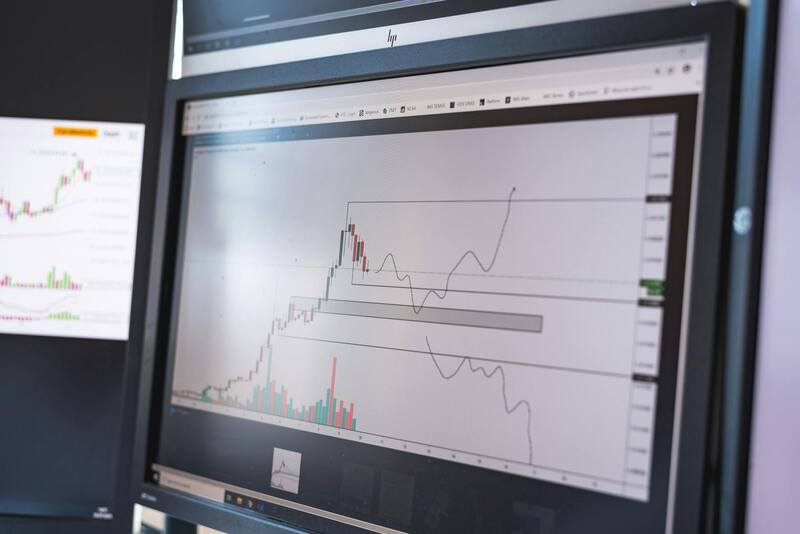
Furthermore, integrating technology solutions such as compliance software and risk dashboards streamlines oversight and provides actionable insights. These tools can automate notifications for risk breaches, facilitate audit trails, and ensure policies are consistently enforced across all trading activities. Regular staff training on risk and compliance procedures ensures everyone understands their responsibilities and the importance of maintaining a disciplined trading environment.
Establishing a Professional Brand and Cultivating Industry Relationships
Building a reputable proprietary trading firm hinges on establishing a strong, professional brand that resonates within the trading community. This begins with developing a clear corporate identity, including a well-designed logo, comprehensive branding guidelines, and consistent messaging that emphasizes your firm's expertise, reliability, and commitment to high standards. A polished online presence, including a professional website and active social media profiles, reinforces credibility and attracts potential traders and partners.
Networking plays a vital role in expanding your firm's reach and access to opportunities. Participating in industry conferences, trading expos, and financial workshops provides avenues to connect with seasoned traders, technology providers, and other industry stakeholders. Establishing meaningful relationships with trading communities, financial institutions, and technology vendors can open doors to strategic collaborations, funding options, and technological innovations that enhance your operational capabilities.

Optimizing Operations for Long-term Sustainability
As your prop trading firm matures, streamlining operations becomes crucial for sustainable growth. Regularly review and refine your trading strategies, risk management protocols, and technological infrastructure to stay aligned with evolving market conditions and industry best practices. Implement automated systems for monitoring trade execution, risk exposure, and compliance checks. These systems not only improve efficiency but also enhance accuracy and accountability across operations.
Training and development programs should be integral to your firm's culture. Continuous education on market trends, new trading strategies, and compliance requirements ensures traders remain proficient and aligned with your firm's standards. Cultivating a disciplined environment, where traders understand the importance of adhering to established protocols, supports steady performance and mitigates operational risks.
Monitoring Performance and Data-Driven Decision Making
Effective performance tracking involves utilizing advanced analytics tools to analyze trading results, evaluate trader performance, and identify areas for improvement. Data-driven insights enable your firm to adapt strategies, optimize risk-reward ratios, and allocate resources more efficiently. Regular performance reviews, coupled with transparent feedback processes, foster a culture of accountability and continuous improvement.
Implement comprehensive reporting mechanisms that consolidate real-time trading data, risk metrics, and compliance status. These reports should be accessible to key decision-makers, facilitating rapid response to emerging issues and supporting strategic planning. Over time, leveraging historical data can reveal market patterns and aid in developing more resilient trading algorithms and approaches.
Planning for Expansion and Diversification
Once operational stability is achieved, consider opportunities for expansion into new markets, asset classes, or trading methodologies. Diversification can reduce dependency on specific strategies or markets and enhance revenue streams. Carefully evaluate potential risks and ensure that expansion efforts are supported by robust infrastructure, adequate capital reserves, and skilled personnel.
Exploring technological advancements such as AI-driven trading algorithms or blockchain integration can further differentiate your firm. Investing in cutting-edge tools and research enables your firm to stay competitive in a rapidly evolving industry landscape.