Overview of Trade Tech Solutions in Trading
Trade tech solutions have become a fundamental component of the modern trading landscape, especially for entities like proprietary (prop) firms and open trading companies. These technological systems enable traders and firms to execute, monitor, and analyze trades with precision, efficiency, and speed. At their core, trade tech solutions encompass a wide range of tools, from advanced trading platforms and algorithmic software to infrastructure that supports rapid data processing and execution. Their significance stems from the ability to enhance trading performance, optimize operational workflows, and maintain competitiveness in a fast-paced marketplace.
For aspiring prop firms and trading operators, integrating robust trade tech is not merely a choice but a strategic necessity. By leveraging these solutions, firms gain access to real-time market data, sophisticated order execution capabilities, and comprehensive risk management tools. This integration allows them to capitalize on market opportunities swiftly and manage their trading strategies more effectively. Furthermore, trade tech solutions facilitate scalability, enabling firms to expand their trading activities without proportionally increasing their operational complexities.
One of the key advantages of trade tech solutions is their ability to streamline and automate routine trading tasks. Automated trading systems, for example, can execute high-frequency trades based on predefined algorithms, reducing human error and emotional decision-making. Additionally, these technologies support advanced analytics, providing traders with insights into market trends, trading patterns, and performance metrics that are critical for informed decision-making.
The strategic deployment of trade tech solutions also enhances transparency and accountability within trading operations. Detailed logs, audit trails, and compliance tools assist firms in maintaining operational integrity and adhering to regulatory standards. Consequently, effective trade tech integration empowers prop firms and open trading companies to elevate their trading capabilities, improve operational efficiency, and achieve a competitive edge in an increasingly technology-driven industry.

Core Functionalities and Benefits
- Real-Time Data Processing: Allows instant access to market information, essential for timely decision-making.
- Automated Trading Strategies: Reduces manual intervention, speeds up execution, and eliminates emotional biases.
- Risk Management Tools: Monitors positions and implements safeguards to minimize potential losses.
- Order Execution and Routing: Optimizes trade execution across multiple venues for best price outcomes.
- Analytics and Reporting: Provides detailed insights for strategy refinement and performance evaluation.
- Infrastructure Support: Ensures stable and high-speed connectivity necessary for high-volume trading environments.
Adopting comprehensive trade tech solutions aligns with the goal of operational excellence in trading firms, delivering tangible benefits that drive growth and profitability while maintaining a resilient trading environment.
Key Technologies Used in Trade Tech Solutions
Trade tech solutions rely on a core combination of innovative technologies that together create a robust environment for executing and managing trades efficiently. These technologies are integral to providing real-time insights, automating strategies, managing risks, and maintaining operational integrity across trading platforms. Adoption of these advanced systems allows trading firms to operate at a heightened level of precision and resilience in volatile markets.
Advanced Trading Platforms
Trading platforms form the backbone of modern trade tech solutions. They offer intuitive interfaces, support various order types, and facilitate seamless integration with data feeds and risk management modules. High-performance platforms are designed for low latency execution, enabling traders to capitalize on fleeting market opportunities. Additionally, these platforms often feature customizable dashboards, algorithm deployment interfaces, and sophisticated analytical tools.
Data Feeds and Market Data Systems
Reliable, high-speed data feeds are crucial for informed decision-making. They deliver real-time market prices, order book data, economic indicators, and news updates. Accurate and timely data enhances predictive analytics, strategy development, and execution precision. Many solutions incorporate multiple data sources, aggregating information to ensure comprehensive market visibility.
Risk Management and Compliance Tools
Modern trade tech solutions embed risk control measures, such as positional limits, margin requirements, and automated alerts. These tools monitor trading activities continuously to detect anomalies and prevent significant losses. Compliance modules also assist in ensuring trades adhere to regulatory standards, maintaining operational transparency and integrity.
Automation and Algorithmic Trading Systems
Automation systems facilitate the deployment of pre-programmed trading algorithms that execute orders based on predefined criteria. These systems reduce manual input, eliminate emotional biases, and enable rapid responses to market movements. Algorithms incorporate various strategies such as trend following, arbitrage, and market making, tailored to the specific goals of the trading operation.
Data Analytics and Performance Reporting
Post-trade analytics provide detailed insights into trading performance, strategy effectiveness, and market behavior. Advanced reporting tools support continuous improvement, helping traders refine their tactics and adjust risk parameters as needed. These analytics also provide transparency for internal review and regulatory compliance.
Supporting Infrastructure and Connectivity Technologies
Underlying the software solutions are infrastructure components, including high-speed internet connections, low-latency data centers, and redundant systems to ensure uninterrupted operation. Connectivity protocols such as FIX (Financial Information Exchange) standard facilitate swift, reliable communication between trading servers and market venues.
Supporting Image Placeholder
Infrastructure and Connectivity Requirements in Trade Tech Solutions
Implementing effective trade tech solutions hinges on a robust infrastructure that ensures stability, speed, and security. Prop trading firms must prioritize high-performance hardware, reliable internet connections, and scalable data centers to accommodate the demands of modern trading environments. The backbone of these systems is often a combination of dedicated servers and cloud-based resources, tailored to meet specific operational needs.
Low-latency data transfer is critical in executing trades swiftly and capitalizing on market opportunities. Technologies such as fiber-optic internet connections and proximity hosting near major exchanges help reduce latency, providing a competitive advantage. Redundant network pathways and disaster recovery protocols are equally vital, guaranteeing continuous operation even amidst unforeseen disruptions.

Adoption of standardized communication protocols like the Financial Information Exchange (FIX) protocol ensures seamless data exchange between trading platforms, data feeds, and exchanges. These protocols help maintain synchronization and reduce errors, which are crucial in high-frequency trading environments. Furthermore, strong cybersecurity measures, including firewalls, encryption, and intrusion detection systems, safeguard sensitive trading data and maintain operational integrity.
For prop firms aiming to optimize connectivity, investing in dedicated hardware such as colocation servers can provide lower latency and higher security. Cloud solutions, when securely integrated, offer scalability and flexibility, accommodating various trading strategies as the firm expands.
Security and Compliance in Trade Tech
Trade tech solutions operate within a highly regulated environment that demands rigorous security standards. Data encryption, multi-factor authentication, and role-based access controls are essential components for protecting trade data and client information. Regular security audits and compliance checks ensure adherence to the latest standards and best practices.
Trade platforms also incorporate compliance modules that monitor trading activities in real-time, flagging irregularities or suspicious behaviors. These tools not only support regulatory adherence but also serve as safeguards against market manipulation or fraudulent activities, fostering trust and transparency within the trading environment.

Given the sensitive nature of market data and trading algorithms, firms must implement layered security architectures. Continuous monitoring and rapid response capabilities are essential to mitigate threats and ensure the integrity of trading operations. Additionally, compliance with data privacy laws and industry standards enhances the firm’s reputation and operational resilience.
Infrastructure and Connectivity Requirements
Establishing a robust infrastructure is essential for prop trading firms aiming for seamless execution and data integrity. Hardware components such as high-performance servers, reliable networking equipment, and backup power supplies form the backbone of an effective trading environment. These elements ensure that trading activities are not disrupted by technical failures or power outages, maintaining operational continuity during critical market moments.
Network infrastructure plays a pivotal role in executing trades efficiently. Firms often opt for dedicated internet lines to minimize latency and avoid congestion associated with shared connections. Implementing Virtual Private Networks (VPN) provides secure communication channels between trading servers and clients or liquidity providers, reducing the risk of data breaches and unauthorized access.
Optimizing physical and virtual network architectures involves deploying low-latency switches, firewalls, and intrusion detection systems that monitor suspicious activity. These measures enhance both security and performance, ensuring traders can respond swiftly to market movements. Additionally, global data centers or colocation facilities can be leveraged to physically locate servers closer to major exchange data feeds, significantly reducing data transmission latency.
For firms utilizing cloud-based solutions, selecting reputable providers with extensive global infrastructure ensures reliable and scalable connectivity options. Cloud platforms should support secure direct connections and offer high availability SLAs, enabling firms to adapt to changing trading volumes without service interruptions.
Hardware and Network Optimization Strategies
- Use of high-frequency trading (HFT) optimized servers with low-latency processors and memory.
- Deployment of network appliances designed for ultra-fast data throughput.
- Adoption of colocation services in proximity to major exchanges.
- Implementation of redundant network paths to guarantee connectivity during outages.
- Continuous monitoring of network performance metrics for proactive maintenance.
Moreover, integrating hardware acceleration technologies such as Field-Programmable Gate Arrays (FPGAs) can further reduce latency, especially in high-frequency trading environments. Overall, the combination of tailored hardware setups and strategic network architecture forms the foundation of a resilient, efficient trading operation.
Overview of Trade Tech Solutions in Trading
Trade tech solutions encompass a suite of advanced technological tools that facilitate the execution, management, and analysis of trading activities. These solutions are designed to optimize trading efficiency, improve execution speed, and enhance decision-making capabilities. By integrating sophisticated software, hardware, and network infrastructure, firms can gain a competitive edge in fast-paced financial markets.
In today’s trading environment, the reliance on technological innovation is more critical than ever. From algorithmic trading systems that automate order execution to real-time data analytics platforms that offer market insights, trade tech solutions serve as the backbone of modern trading operations. These systems are engineered to process vast quantities of market data with minimal latency, ensuring traders can capitalize on fleeting market opportunities.

Moreover, trade tech solutions are adaptable across various trading styles—from high-frequency trading (HFT) that requires ultra-low latency systems to long-term investing strategies that benefit from robust data analysis tools. The evolution of these technologies continues to push the boundaries of what is achievable in financial markets, making them indispensable for competitive trading firms.
Key Technologies Used in Trade Tech Solutions
- Algorithmic Trading Software: Automates decision-making processes and order execution based on predefined criteria, enabling faster and more precise trades.
- Data Analytics and Market Intelligence Platforms: Aggregate and analyze vast datasets, providing traders with actionable insights and market forecasts.
- Execution Management Systems (EMS): Facilitate trade order routing, tracking, and management with high reliability and speed.
- Smart Order Routing (SOR): Optimizes the pathway of trade orders across multiple venues to achieve best execution.
- Risk Management Tools: Monitor trading activities in real time, identifying potential issues and automatically adjusting strategies to mitigate risk.
- Cloud-Based Trading Platforms: Offer scalability and flexibility, enabling firms to handle varying trading volumes without hardware constraints.

Software and Platform Selection for Prop Firms
Choosing the right software and platforms is fundamental for prop trading firms seeking reliable and efficient trade execution. When evaluating options, consider factors such as latency performance, compatibility with existing infrastructure, and the ability to customize functionalities to specific trading strategies.
Popular platform features include comprehensive order management capabilities, real-time monitoring dashboards, and seamless integration with market data feeds. Many firms opt for multi-asset support, allowing them to diversify trading strategies across equities, forex, commodities, and derivatives. Additionally, vendor support, system stability, and upgrade pathways contribute significantly to long-term usability.
Operational efficiency depends on robust platform architecture that can be fine-tuned for high-frequency environments. Cloud-native solutions that support rapid deployment, flexible scaling, and advanced security protocols are increasingly favored by prop firms seeking agility without compromising data integrity.
Infrastructure and Connectivity Requirements
In trading, infrastructure quality directly influences performance. Prop firms require highly reliable, low-latency connections to execute trades swiftly and accurately. Establishing close physical proximity to major exchanges through colocation services minimizes data transmission delays, which is crucial for high-frequency trading environments.
Network design should incorporate redundant pathways and failover mechanisms to ensure uninterrupted connectivity. High-performance routers, low-latency switches, and specialized network appliances help boost data throughput and minimize latency. Moreover, deploying hardware acceleration technologies such as Field-Programmable Gate Arrays (FPGAs) can significantly reduce processing times for time-sensitive calculations.
For firms using cloud-based solutions, selecting providers with extensive global infrastructure and support for dedicated direct connections is essential. These features provide scalable, secure, and resilient pathways that accommodate fluctuating trading volumes and safeguard against outages.
Implementation Processes for Trade Tech Solutions
Deploying effective trade technology systems within a proprietary trading environment involves a series of meticulously planned and executed steps designed to optimize performance, reliability, and compliance. The process begins with a comprehensive assessment of existing infrastructure and trading requirements, enabling firms to identify specific technological needs and tailor solutions accordingly.
System Integration and Customization
Integration with existing trading infrastructure is critical. Trade tech solutions often involve complex software components, including trading algorithms, data feeds, risk management tools, and execution platforms. Ensuring these components work seamlessly requires collaboration between technical teams and vendors to develop customized interfaces and middleware that facilitate smooth data flow and command execution.
Depending on the firm's trading focus—be it high-frequency trading, algorithmic strategies, or discretionary trading—the deployment may emphasize different software functionalities. Custom configuration ensures that the systems meet specific latency, throughput, and analytical requirements, enabling traders to act swiftly and accurately.
Conducting Rigorous Testing
Before going live, extensive testing is paramount. This phase includes simulation environments that replicate real trading conditions as closely as possible, allowing teams to evaluate system performance under various scenarios. Stress testing specific components helps uncover potential bottlenecks or vulnerabilities, ensuring robustness under high trading volumes.
Automated testing tools can facilitate repeated performance and security assessments, providing confidence that the platform can withstand high-pressure situations and potential data breaches.
Staff Training and Operational Readiness
Once the system passes testing, comprehensive training programs are essential for traders, analysts, and technical staff. Training focuses on system functionalities, troubleshooting procedures, and security protocols. Well-trained personnel can optimize the platform's capabilities while minimizing operational errors, thereby enhancing overall trading efficiency.
Continuous Monitoring and Optimization
Post-deployment, ongoing monitoring ensures the systems operate at peak efficiency. This includes real-time performance analytics, security audits, and periodic software updates to incorporate new features or address emerging vulnerabilities. Feedback loops from traders and IT teams drive continuous improvement, allowing the firm to stay ahead in rapidly evolving trading environments.

Implementation Processes for Trade Tech Solutions
Deploying trade tech solutions within a trading environment involves a series of meticulous steps to ensure seamless integration and optimal performance. It begins with a thorough needs assessment, where the specific requirements of the trading operations are documented, including functionalities, scalability, and security considerations. This assessment guides the selection of appropriate technological components that align with both current objectives and future growth plans.
Next, a detailed planning phase is undertaken, during which project timelines, resource allocation, and key milestones are defined. This plan emphasizes collaboration among IT professionals, trading strategists, and compliance officers to address all critical elements of the solution's deployment. Establishing clear communication channels is vital to manage expectations and facilitate swift resolution of potential issues.
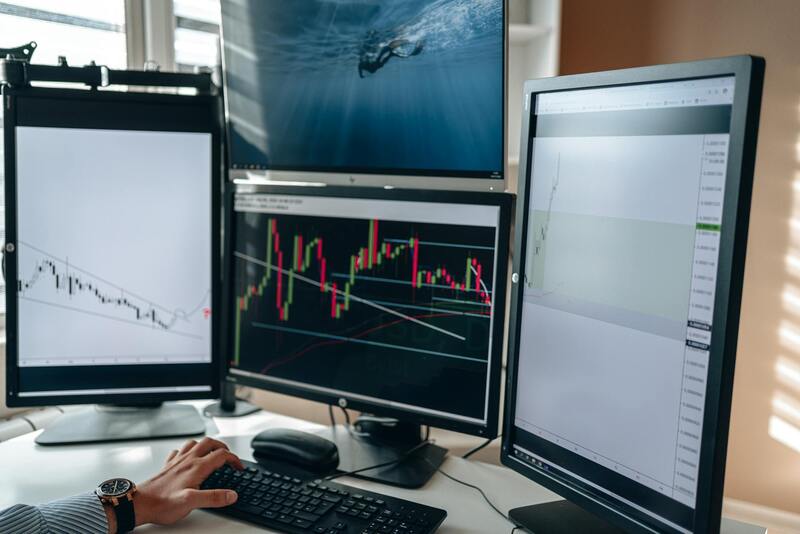
Following planning, the technical setup involves configuring hardware, installing software, and establishing secure network connections. Special attention is given to interoperability, ensuring that new systems seamlessly integrate with existing trading infrastructure, data feeds, and analytical tools. This step often includes setting up redundancy measures and backup systems to prevent downtime during critical trading operations.
Once initial setup is complete, a rigorous testing phase is conducted. This encompasses functional testing to verify that the system performs all required tasks accurately. Performance testing evaluates system responsiveness under various loads, detecting bottlenecks that could impair trading activities during peak times. Security testing ensures that data integrity and confidentiality are maintained, safeguarding sensitive trading and client information.
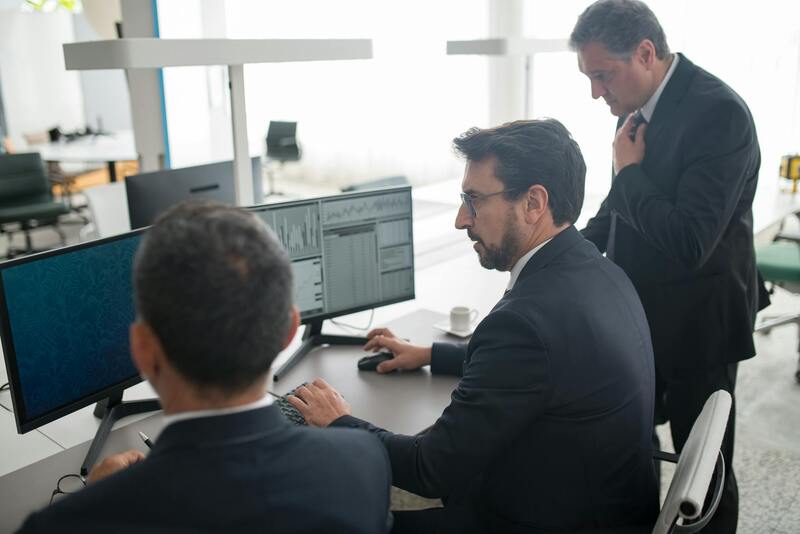
After successful testing, a staged rollout begins, often starting with a pilot program involving a limited user base. Feedback gathered from this phase is instrumental in fine-tuning the system, addressing any discrepancies or user-experience issues. Once confident, the solution is fully integrated into daily trading operations, accompanied by detailed documentation to assist ongoing support and troubleshooting.
Post-deployment, continuous support and maintenance are essential. This includes regular system updates, monitoring for anomalies, and prompt responses to operational challenges. Ensuring data synchronization, optimizing system configurations, and training staff on new features or protocols sustain the system’s efficiency and resilience over time.
Advanced Integration and Customization of Trade Tech Solutions
Implementing trade tech solutions within trading operations involves meticulous integration with existing systems and protocols. Proper integration ensures seamless data flow between platforms, enhances order execution speeds, and facilitates real-time risk management. Customization opportunities enable prop firms and traders to tailor interfaces, analytical tools, and trading algorithms to align with their specific strategies and operational preferences.

Integration typically requires compatibility assessments to evaluate how new solutions interface with legacy hardware and software components. Adapter modules, APIs, and middleware are often employed to bridge disparate systems, ensuring data accuracy and synchronization across platforms. Furthermore, for optimal performance, real-time data feeds must be corroborated with internal databases to facilitate quick decision-making for high-frequency trading activities.
Customization extends beyond technical adjustments. It encompasses developing bespoke dashboards, alert systems, and reporting tools that provide traders with valuable insights. These tailored features support swift decision-making, improve operational efficiency, and foster a competitive edge in dynamic markets.
Training and Onboarding for Trade Tech Adoption
Successful deployment of trade tech solutions depends heavily on comprehensive training programs for staff. This ensures users are proficient in utilizing new tools and protocols, which contributes to operational stability and maximizes technological investments. Training sessions should cover system navigation, troubleshooting procedures, security practices, and updates on new features or configurations.
Structured onboarding, including hands-on workshops and detailed user manuals, helps mitigate transitional hurdles. Continuous education initiatives keep team members abreast of evolving technologies and regulatory requirements, which are crucial for maintaining effective oversight and compliance within trading environments.
Monitoring, Maintenance, and Optimization
Post-implementation, it is essential to establish ongoing monitoring mechanisms to track system performance, detect anomalies, and promptly address issues before they impact trading activities. Automated alerts and dashboards can provide real-time insights into system health, data integrity, and transaction flows.
Regular maintenance tasks include updating software components, patching security vulnerabilities, and optimizing configurations to adapt to changing market conditions. These activities are supported by diagnostic tools and remote management capabilities, minimizing downtime and ensuring continuous operational readiness.
Security Measures and Data Protection
Safeguarding sensitive trading data and client information requires robust security frameworks integrated into trade tech solutions. Encryption protocols, multi-factor authentication, and secure access controls form the first line of defense. Additionally, intrusion detection systems and continuous monitoring help identify and respond to potential security incidents swiftly.
Data integrity is maintained through regular backups, redundancy systems, and real-time replication across geographically dispersed data centers. Such measures prevent data loss and ensure business continuity during hardware failures or unintended outages.
Evaluating ROI and Strategic Value of Trade Tech Investments
Quantifying the return on investment for trade tech solutions involves analyzing several metrics. These include improving transaction speeds, reducing operational costs, enhancing decision-making accuracy, and achieving higher trade execution success rates. Additionally, technology upgrades can lead to better compliance management and risk mitigation, indirectly contributing to profitability and sustainability.
Effective evaluation combines financial analysis with qualitative benefits, such as increased trading agility and improved customer experience. Strategic planning should prioritize scalable systems that adapt to future market developments and regulatory changes, ensuring technological resiliency and sustained competitive advantage.