Overview of Prop Tech Software
Prop tech software, short for property technology software, represents a suite of digital solutions designed to streamline and enhance various aspects of property management, trading, and real estate operations. These platforms leverage advanced technologies, including cloud computing, data analytics, and artificial intelligence, to provide property firms and trading companies with efficient tools that improve decision-making, operational efficiency, and customer experience. As the real estate sector continues to evolve, the adoption of prop tech software is increasingly vital for firms seeking competitive advantages and sustainable growth.

Prop tech software plays a pivotal role in transforming traditional property management and trading models. It enables firms to automate routine tasks such as leasing, maintenance scheduling, and transaction documentation, reducing manual effort and minimizing errors. Additionally, these platforms offer powerful data management capabilities that facilitate real-time property valuation, market analysis, and portfolio optimization. Through centralized dashboards, property managers and trading firms can gain comprehensive insights, allowing for more informed and strategic decision-making. The integration of prop tech solutions fosters transparency, enhances operational efficiency, and opens new venues for client engagement and revenue generation.
Key Features of Prop Tech Software
- Automated Transaction Management: Streamlines buy, sell, and leasing processes, reducing processing time and improving accuracy.
- Data Analytics and Reporting: Facilitates real-time insights into market trends, property performance, and investment opportunities.
- Customer Relationship Management (CRM): Enhances client engagement through tailored communication and service management.
- Virtual Tours and Digital Showings: Enables remote property viewing, reaching a broader audience efficiently.
- Document Management: Secure storage, sharing, and retrieval of contracts, deeds, and essential documentation.
- Integration Capabilities: Connects with existing enterprise systems such as accounting platforms, marketing tools, and data sources.
Benefits for Property Firms
Implementing prop tech software offers numerous advantages for property management companies. These include improved operational efficiency through automation, enhanced accuracy in financial and data reporting, and better client management through CRM integration. Accessibility to comprehensive analytics allows firms to make data-driven decisions that optimize property portfolios and identify emerging market opportunities. Additionally, the digital tools facilitate compliance with regulatory requirements and streamline administrative workflows, leading to cost reductions and increased profitability.
Benefits for Trading and Prop Firms
For trading firms, prop tech software provides advanced market analysis tools that support rapid decision-making and risk assessment. The ability to access real-time data and perform predictive analytics enhances trading strategies, offering a competitive edge. Moreover, digital platforms enable seamless execution of transactions and effective risk management, reducing delays and operational errors. These benefits collectively empower trading firms to capitalize on market movements more effectively and manage their assets with greater precision.
Integration and Data Management
Effective integration of prop tech software with existing business systems is crucial. Modern platforms are designed to connect with various data sources, including financial systems, CRM tools, and market data feeds, ensuring that all information is centralized and easily accessible. Robust data management capabilities support accurate reporting, compliance, and detailed analysis, essential for both property management and trading activities. This integration not only enhances operational workflow but also ensures that data-driven strategies are grounded in reliable, real-time information.
Choosing the Right Prop Tech Software
Selecting suitable prop tech software requires a careful assessment of the firm’s specific operational needs, technology infrastructure, and strategic goals. Considerations should include scalability to accommodate future growth, ease of integration with existing tools, user-friendly interfaces for staff training, and vendor support for ongoing updates and maintenance. Conducting detailed vendor evaluations and pilot testing can help identify platforms that align best with organizational objectives and ensure smooth implementation.
Market Trends and Future Developments
The prop tech industry is rapidly evolving, with emerging trends focused on increased automation, artificial intelligence, and enhanced user experiences. Moving forward, we can anticipate greater adoption of smart building technologies, blockchain for secure transactions, and virtual/augmented reality for immersive property visualization. These developments aim to create more transparent, efficient, and sustainable real estate ecosystems, where data-driven insights and innovative communication platforms are standard features. Staying abreast of these trends is vital for firms aiming to leverage technology effectively in the evolving market landscape.
Implementation Strategies and Best Practices
Successful deployment of prop tech software hinges on thorough planning and strategic execution. Best practices include establishing clear objectives, involving key stakeholders from different departments, and providing comprehensive training for users. It’s important to phase the implementation process, allowing time for adaptation and troubleshooting. Continuous evaluation and feedback collection ensure that the platform evolves to meet user needs and organizational goals. Furthermore, maintaining close collaboration with software vendors enables timely updates, customized features, and technical support, essential elements for maximizing the benefits of prop tech investments.
Key Features of Prop Tech Software
Prop tech software is designed to streamline and enhance a range of real estate operations through sophisticated functionalities. Among the most vital features are property listing management systems that allow firms to efficiently showcase available properties with detailed descriptions, high-quality images, virtual tours, and integrated search filters. This capability significantly reduces manual efforts and accelerates the process of connecting buyers, tenants, and investors with suitable properties.
Customer relationship management (CRM) integration within prop tech platforms enables property firms to nurture leads, maintain detailed client profiles, and automate communication workflows. These features foster stronger client relationships, improve retention, and facilitate targeted marketing campaigns.

Transaction processing functionalities are crucial for handling offers, contracts, payments, and legal documentation digitally. Secure electronic signatures, automated escrow management, and transaction reporting ensure compliance and transparency throughout the deal lifecycle.
Additionally, advanced prop tech solutions incorporate data analytics tools that provide real-time insights into market trends, property performance, and customer preferences. Automation features such as scheduling viewings, sending notifications, and updating property details reduce manual workload and enhance user experience.
Integration capabilities enable seamless connection with other enterprise systems like accounting, legal compliance, and marketing platforms, creating a cohesive operational environment. This interoperability ensures data consistency, minimizes duplication, and supports scalable growth in dynamic market settings.

With a comprehensive suite of functionalities, prop tech software not only simplifies day-to-day operations but also empowers organizations with data-driven strategies, ultimately supporting sustainable growth and competitive advantage in the evolving real estate landscape.
Overview of Prop Tech Software
Prop tech software has become an integral component in the modern real estate industry, transforming traditional methods into highly automated, data-driven processes. It encompasses a broad spectrum of digital solutions designed to optimize property management, enhance transaction efficiency, and provide strategic insights for decision-making. These platforms leverage cutting-edge technologies to simplify complex workflows, ensure data accuracy, and enable seamless interactions between stakeholders, including property owners, tenants, brokers, and financial institutions.

At its core, prop tech software consolidates multiple functions into unified systems, which significantly reduces manual effort and minimizes errors. It facilitates digital documentation, automated communication, and real-time data sharing, all of which streamline processes that historically relied on paper-based workflows. The adoption of proprietary algorithms and sophisticated analytics further empowers firms to optimize property portfolios, forecast market trends, and tailor services to meet specific client needs with precision.
By integrating these platforms into their operational infrastructure, property firms can improve their agility and responsiveness to market changes. Such software solutions support a transition toward more transparent, efficient, and customer-centric service models, positioning organizations to excel in an increasingly competitive landscape.
Key Features of Prop Tech Software
Optimal prop tech software solutions are characterized by a comprehensive set of features engineered to address the multifaceted needs of the modern real estate sector. These features include:
- Property Management Automation: Dashboards and portals allow landlords and property managers to oversee multiple aspects such as maintenance scheduling, rent collection, and tenant communication effortlessly.
- Transaction Processing: Digital handling of offers, contracts, and payments ensures a smooth and transparent deal lifecycle. Secure electronic signatures and automated escrow services facilitate compliance and speed up transactions.
- Data Analytics and Market Insights: Tools that analyze property performance, market fluctuations, and customer preferences provide real-time insights. These analytics support strategic planning and investment decisions.
- Operational Automation: From scheduling viewings to notifying clients about new listings, automation reduces manual workload and enhances responsiveness.
- Seamless Integration: Compatibility with other enterprise systems such as accounting, legal compliance, and CRM platforms ensures a unified approach to business operations.

These capabilities not only improve operational efficiency but also provide a scalable framework to support future growth and technological advancements. As the real estate landscape continues to evolve, the versatility and robustness of such platforms become vital for maintaining competitive edge.
Integration and Data Management
Achieving optimal operational efficiency in property firms relies heavily on the seamless integration of various software systems and effective data management strategies. Prop tech software acts as a central hub that consolidates data from multiple sources such as property listings, tenant databases, financial records, and marketing platforms. This centralization ensures that all relevant information is accessible in real-time, reducing manual data entry errors and streamlining workflows.
Integration capabilities extend to compatibility with accounting systems, customer relationship management (CRM) platforms, legal compliance tools, and property management systems. Such compatibility facilitates data consistency across functions, promoting transparency and facilitating faster decision-making. Moreover, automated data synchronization minimizes downtime and ensures that updates in one system are reflected across all integrated platforms.
Effective data management within prop tech software involves ensuring data quality, security, and compliance. Implementing standardized data entry protocols and validation checks prevents inaccuracies and duplicates. Robust security measures, including encryption and user authentication, protect sensitive property and tenant information from unauthorized access. Regular data audits also help maintain data integrity, ensuring that insights derived are accurate and actionable.

Advanced analytics tools within prop tech platforms leverage aggregated data to generate comprehensive reports and predictive insights. These insights support strategic planning, investment analysis, and market trend forecasting, empowering property firms to adapt proactively to changing conditions.
Choosing the Right Prop Tech Software
Selecting suitable prop tech software requires evaluating a variety of factors aligned with the firm’s specific needs and growth objectives. A critical first step involves assessing the scalability of the platform—its ability to accommodate increasing property portfolios and evolving business processes.
Functionality is another key consideration. The software should comprehensively cover core operational aspects such as leasing, maintenance, financial management, and tenant relations. User interface and ease of adoption also significantly impact the success of implementation, as intuitive platforms minimize training time and encourage user engagement.
Providers should also offer robust support and ongoing updates, ensuring the software remains compatible with emerging industry standards and technological developments. Security features, compliance capabilities, and the flexibility for customization are further vital metrics to consider.
Evaluating user reviews, request for demos, and conducting pilot implementations can help property firms identify the platform best suited for their operational landscape. Incorporating input from various departments—management, leasing, maintenance, and finance—during the selection process ensures that the software aligns with collective workflow requirements.

Ultimately, the right prop tech software acts as a strategic asset, transforming traditional property management into a data-driven, efficient, and scalable operation. By carefully evaluating functionality, integration capabilities, and support services, property firms can make informed decisions that drive long-term growth and operational excellence.
Integration and Data Management in Prop Tech Software
Seamless integration of prop tech software with existing systems is critical for unlocking its full potential within a property firm. Effective data management not only enhances operational efficiency but also ensures that decision-making is grounded in accurate and timely information. When selecting a prop tech platform, attention must be paid to compatibility with legacy systems such as property management databases, accounting software, customer relationship management (CRM) tools, and other enterprise applications.
Integrating these systems facilitates the flow of data across departments, reducing redundancies and minimizing manual data entry errors. Such interoperability supports synchronized workflows, where leasing, maintenance scheduling, financial reporting, and tenant correspondence occur seamlessly. For example, real-time updates on rental payments and maintenance requests improve service delivery and tenant satisfaction.

Secure data management is equally vital, particularly given the sensitive nature of property and tenant information. Prop tech software should incorporate advanced security protocols, including encryption, access controls, and audit trails, to safeguard user data from unauthorized access or breaches. Regular data backups and disaster recovery plans must also be part of the overall data governance framework.
Data Analytics and Business Intelligence
Modern prop tech platforms often come equipped with data analytics capabilities that transform raw data into actionable insights. By leveraging dashboards and reporting tools, property firms can monitor key performance indicators (KPIs), such as occupancy rates, operational costs, and revenue streams. Advanced predictive analytics can forecast market trends, optimize asset utilization, and support strategic planning.
Accurate analytics depend on high-quality data — a result of proper integration and meticulous data management practices. Additionally, comprehensive data security measures foster confidence among stakeholders, ensuring that sensitive business information remains protected while enabling insightful analysis.
Strategies for Effective Data Management
- Establish clear data governance policies, including data quality standards and access privileges.
- Choose platforms that support automated data synchronization to reduce manual intervention and errors.
- Implement role-based access controls to restrict sensitive information to authorized personnel.
- Regularly audit data systems to identify and rectify inconsistencies or vulnerabilities.
- Invest in training users on data best practices to maximize the platform’s analytical potential.

In essence, integration and data management form the backbone of effective prop tech deployment. Properly integrated systems with secure, high-quality data enable property firms to operate more efficiently, adapt swiftly to market dynamics, and provide superior tenant experiences—ultimately driving sustained organizational growth.
Integration and Data Management
Effective integration of prop tech software within existing property management systems ensures seamless data flow across different platforms and departments. Integrating property management, financial, leasing, and operational data into a centralized system enables comprehensive insights and streamlined workflows. This consolidation reduces redundant data entry, minimizes errors, and accelerates decision-making processes.
High-quality data management supports real-time analytics, allowing property firms to monitor KPIs such as occupancy rates, maintenance response times, and revenue streams continuously. By leveraging robust data integration tools, organizations can automate data synchronization, decreasing manual efforts and enhancing accuracy. Automated data feeds help keep information current, which is critical for timely interventions and strategic planning.
Data security remains a cornerstone of proper data management. Implementing role-based access controls restricts sensitive information to authorized personnel, safeguarding stakeholder interests. Regular audits, data validation procedures, and compliance with security protocols are vital to uphold data integrity and confidentiality.

To maximize the potential of prop tech solutions, organizations should establish clear data governance policies emphasizing data accuracy and privacy standards. Selecting software platforms that support automated updates and real-time syncing is essential for maintaining data consistency across operational and strategic domains. Additionally, investing in user training on data best practices ensures that staff can utilize analytics tools effectively, extracting meaningful insights to guide business strategies.
Choosing the Right Prop Tech Software
Selecting an appropriate prop tech platform requires a thorough understanding of the organization’s size, operational scope, and specific goals. Smaller firms may prioritize user-friendly interfaces and cost-effective solutions, while larger entities may seek comprehensive systems with extensive customization options and integrations. It is critical to evaluate the software’s scalability, compatibility with existing tools, and availability of support services.
- Assess functionality against your core needs, such as tenant management, maintenance scheduling, or financial reporting.
- Ensure the platform offers seamless integration capabilities with your current systems.
- Evaluate the ease of use and the quality of user support to facilitate smooth adoption.
- Consider future growth plans and verify that the software can scale accordingly.
- Review data security features and compliance standards embedded within the platform.
Organizations should also consider the vendor’s reputation, client testimonials, and success stories, which can offer insights into the platform’s reliability and performance in real-world scenarios. A detailed demonstration or trial phase can further clarify whether the software aligns with operational workflows and strategic objectives.
Market Trends and Future Developments
The prop tech industry continues to evolve rapidly, driven by advancements in AI, IoT, and data analytics. Future developments are expected to focus on increased automation, smarter predictive models, and enhanced user experiences. The integration of blockchain for transparent property transactions and enhanced security protocols is also on the horizon.
Implementation Strategies and Best Practices
Successful deployment of prop tech software hinges on comprehensive planning that includes stakeholder engagement, clear project timelines, and rigorous training programs. Piloting new systems in select areas before company-wide rollout can identify potential challenges early. Maintaining open communication channels and collecting user feedback throughout the implementation process helps refine workflows and ensures user adoption.

Market Trends and Future Developments in Prop Tech Software
Prop tech software continues to be at the forefront of transformative changes within the real estate and property management sectors. Current industry trajectories highlight the integration of advanced technologies such as artificial intelligence (AI), the Internet of Things (IoT), and blockchain, shaping a new landscape of efficiency and transparency. As these innovations mature, property firms can anticipate significant shifts in operational workflows, customer engagement, and transaction security.

One of the most prominent trends is the deployment of AI-driven analytics. These systems enable predictive modeling for property valuations, market analysis, and tenant behavior insights. By analyzing vast datasets, AI algorithms can forecast market movements, optimize pricing strategies, and enhance portfolio management precision. Real-time data processing allows firms to respond swiftly to market fluctuations, ultimately leading to more informed decision-making.
Blockchain technology is increasingly integrated into property management for creating transparent and secure transaction records. This enables streamlined property transfers, reduces fraud risks, and facilitates verifiable leasing processes. Smart contracts automate contractual obligations, further minimizing intermediaries and accelerating transaction times. The decentralization aspect of blockchain fosters increased trust among stakeholders, making it an essential component of contemporary prop tech innovations.
IoT devices embedded within properties facilitate real-time monitoring of building systems, security, and maintenance needs. Sensors can detect structural issues, energy consumption patterns, and environmental conditions, providing property managers with valuable insights. This technology supports preventive maintenance and sustainable building practices, reducing operational costs and improving occupant satisfaction.
Implications for Property and Trading Companies
- Enhanced Data-Driven Decision Making: Advanced analytics and IoT integrations provide granular insights that support strategic planning and competitive positioning.
- Operational Efficiency: Automation of routine tasks, such as tenant onboarding, lease renewals, and maintenance scheduling, reduces administrative burdens.
- Transaction Transparency and Security: Blockchain enhances confidence among investors and tenants by delivering secure, immutable records of property transactions.
- Market Agility: AI-powered market forecasts allow firms to adapt swiftly to changes, minimizing risks and maximizing returns.
Forecast for Future Developments
As the prop tech ecosystem evolves, integrations of emerging technologies are expected to deepen. Increased automation will support more autonomous property management platforms, reducing the reliance on manual interventions. Smarter predictive models will refine investment strategies, and immersive technologies like virtual reality (VR) and augmented reality (AR) will transform property viewing and marketing.

Advancements in blockchain will focus on strengthening transaction security and reducing settlement times, while IoT devices will expand to include energy management systems for increased sustainability. The convergence of these technologies aims to deliver seamless, transparent, and intelligent property experiences tailored to the needs of modern property and trading firms.
Complete Integration and Optimization in Prop Tech Software
Successful deployment of prop tech software hinges on meticulous integration with existing infrastructure and comprehensive data management practices. Organizations must adopt strategies that facilitate seamless interoperability among various platforms, ensuring real-time data flow and coherent operational workflows. This includes standardizing data formats and establishing secure APIs to connect different modules such as accounting, tenant management, and maintenance systems. Proper integration eliminates siloed data, reduces manual input errors, and accelerates decision-making processes.
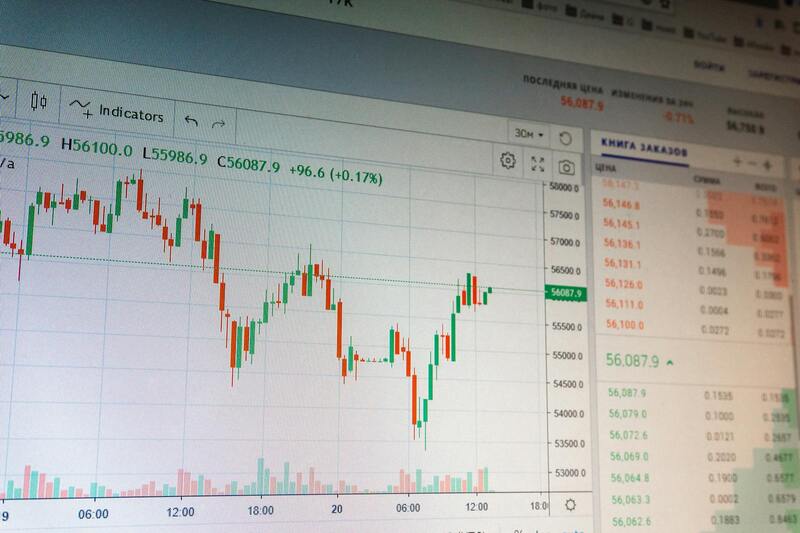
Effective data management remains pivotal. Property and trading firms must focus on collecting high-quality data, ensuring accurate data entry, and maintaining integrity throughout data lifecycle stages. Advanced data governance policies can safeguard sensitive information while enabling efficient analysis. Using centralized data warehouses and employing data analytics tools empower organizations to extract actionable insights, forecast market trends, and optimize asset performance.
Best Practices for Implementation and Optimization
- Stakeholder Engagement: Involving cross-departmental teams from the onset ensures broader understanding and smoother adoption of new systems.
- Comprehensive Training: Offering targeted training programs equips staff with necessary skills, fostering confidence and promoting effective utilization of the software.
- Incremental Deployment: Phased rollout mitigates risks and allows for iterative feedback, addressing issues proactively.
- Continuous Monitoring and Support: Regular system audits, performance monitoring, and dedicated support help in maintaining optimal operation and quick resolution of issues.
- Data Migration Strategy: Planning meticulous data transfer from legacy systems minimizes disruptions and preserves data integrity.
Ensuring Data Security and Compliance
Maintaining robust security protocols is essential. Implementing encryption, access controls, and audit trails safeguards both property and client data. Regular compliance checks align with evolving regulations, and comprehensive backup solutions prevent data loss. By embedding these practices into daily operations, property firms protect their assets and reputation while ensuring transparency and accountability across all transactions.
Future-Proofing Prop Tech Systems
As the prop tech landscape continues to evolve rapidly, organizations should strategize for scalability and adaptability. Cloud-based solutions offer flexible deployment options, allowing firms to respond swiftly to market changes. Investing in modular architectures facilitates incremental upgrades aligned with emerging technologies. Building a culture of innovation and ongoing training ensures teams remain proficient, ultimately maximizing the value derived from propagation of new functionalities.