
Understanding Prop Firm Website Requirements
Creating a professional and effective prop firm website begins with a comprehensive understanding of the core requirements that will define its foundation. This involves clearly identifying the essential functionalities, understanding the needs of the target audience, and aligning with industry standards that promote usability, security, and scalability. A well-structured prop firm website not only attracts potential traders and investors but also instills confidence through transparent and feature-rich interfaces.
First, defining the core functionalities is crucial. These typically include secure account registration and login, real-time data and analytics, comprehensive trading dashboards, and access to educational resources. Ensuring these features are integrated seamlessly enhances user experience and operational efficiency.
Second, comprehending the target audience is vital for tailoring the website’s design and content. Many visitors will be professional traders, aspiring traders, or potential business partners. The website must therefore cater to diverse user profiles by providing intuitive navigation, detailed information about trading programs, and easy-to-understand onboarding procedures.
Third, aligning with industry standards involves implementing robust security measures, such as encryption protocols and secure payment gateways, to protect sensitive user data and financial transactions. Additionally, considering high-performance hosting solutions ensures fast load times and minimal downtime, which are critical for maintaining trust and engagement.

Furthermore, integrating compliance-related features can streamline adherence to pertinent regulations. This includes features such as data protection policies, user verification processes, and transparent disclosures. These elements not only protect the firm but also contribute to building a reputable online presence.
Ultimately, a successful prop firm website clearly communicates its value proposition, provides accessible trading tools, and maintains high security standards. Having a precise grasp of these fundamental requirements ensures that subsequent planning, design, and development stages proceed efficiently and effectively, setting a solid stage for creating a feature-rich, user-centric online platform.
Understanding Prop Firm Website Requirements
Building a prop firm website necessitates a comprehensive grasp of both industry standards and user expectations. Core functionalities must include detailed and transparent information about trading programs, account options, and partnership opportunities, ensuring visitors can easily navigate and find pertinent details. The site should be optimized for various user profiles, including professional traders seeking partnerships and newcomers exploring trading opportunities.

Security plays a critical role in the architecture of the website. Implementing multi-layered encryption protocols for data transmission safeguards sensitive client information such as personal details and financial transactions. Integrating secure payment gateways not only facilitates smooth onboarding but also solidifies trust with users. To maintain optimal site performance, hosting solutions should provide high-speed connectivity, reliable uptime, and scalable resources capable of handling peak traffic without compromising load times.
The website’s infrastructure should also incorporate features that facilitate compliance with data protection standards and regulatory reporting. This includes user verification systems to confirm identities, secure data storage practices, and transparent privacy policies. Clear disclosure of trading risks, fee structures, and company policies through dedicated legal pages contributes to transparency and enhances credibility.
Key Technical Features for a Prop Firm Website
- Secure User Authentication: for registration, login, and account management, including two-factor authentication (2FA).
- Advanced Data Encryption: ensuring all user data and financial information are protected in transit and at rest.
- Payment Processing Integration: seamless and secure gateways for deposits, withdrawals, and commission payments.
- Performance Optimization: fast loading times and minimal downtime through reliable hosting and content delivery networks (CDNs).
- Mobile Responsiveness: ensuring usability across all devices, from desktops to smartphones.
Establishing these technical standards forms the backbone of a trustworthy, efficient, and user-friendly prop firm website, positioning the platform as a reliable choice for traders and partners alike.
Understanding Prop Firm Website Requirements
Developing a prop firm website requires meticulous attention to a variety of essential components that ensure the platform is both functional and trustworthy. The website must provide a seamless experience for traders while complying with industry standards for security and transparency. It is important to incorporate features that support operational efficiency, such as reliable hosting, fast load times, and secure data management systems.
Security measures are paramount, including multi-factor authentication for user accounts, robust data encryption protocols to safeguard sensitive information, and secure payment gateways for deposit and withdrawal processes. Additionally, the site should facilitate transparent communication regarding fee structures, trading policies, and risk disclosures through dedicated pages. This promotes user confidence and ensures clarity in all transactions and interactions.
Infrastructure should include scalable hosting solutions that can accommodate fluctuating traffic volumes without performance degradation. Utilizing a content delivery network (CDN) enhances site speed and responsiveness across different geographic locations. Mobile responsiveness is equally critical; the design must adapt seamlessly across devices, providing a consistent experience for users accessing the platform via smartphones or tablets. Incorporating these technical foundations establishes a prop firm website that balances security, performance, and user accessibility effectively.

Planning Website Structure and Content
A well-structured website enhances navigation and ensures users can find information efficiently. The content must articulate the firm’s value proposition, trading offerings, and operational procedures clearly. Common sections include the homepage, about us, trading programs, risk disclosures, account types, and contact information. Each section should be optimized with targeted keywords to boost search engine visibility and attract prospective traders.
Creating a logical hierarchy for your website facilitates user journey flow, guiding visitors smoothly from introduction through registration. Detailed FAQs, educational resources, and testimonials can bolster credibility and serve as valuable touchpoints for engagement. An emphasis on transparency should be evident throughout, with concise explanations of trading strategies, fee disclosures, and policy details. This clarity not only educates users but also strengthens trust in your platform’s professionalism.
Developing Core Features and Functionality
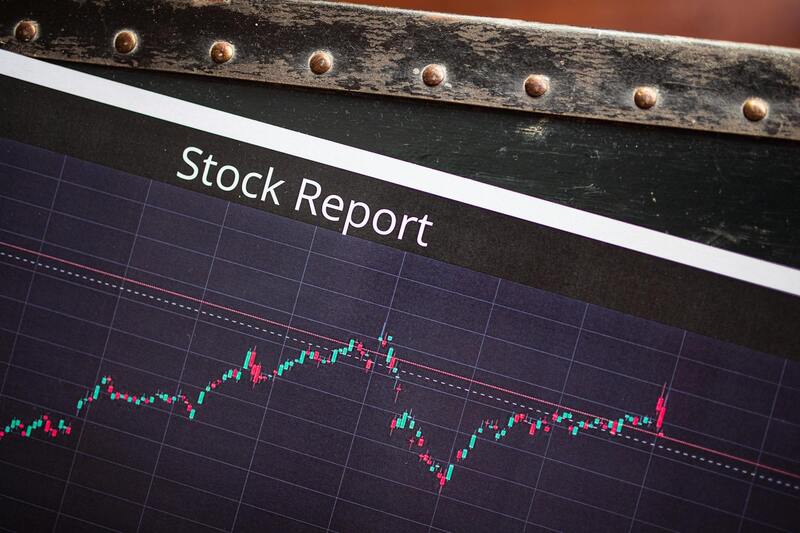
To facilitate a smooth trading experience, key features must be integrated into the platform. These include secure onboarding processes, real-time account monitoring, and efficient trade execution tools. User dashboards should provide accessible insights into account performance, current trades, and available funds. Integration with trading platforms or APIs allows traders to execute strategies directly from the website interface.
Additional functionalities such as automated alerts, customizable trading settings, and performance analytics enhance user engagement. Robust customer support features like live chat, comprehensive help centers, and ticketing systems ensure prompt assistance. Operational features such as automated fee calculations, deposit and withdrawal processing, and KYC procedures must operate seamlessly behind the scenes to maintain efficiency and user satisfaction.

Integrating Compliance and Legal Elements
Implementing proper legal and compliance measures is crucial to safeguard both the platform and its users. This includes establishing comprehensive terms of service, privacy policies, and disclosures tailored to trading regulations. Clearly presenting risk warnings and fee structures ensures transparency and adheres to industry standards.
User verification mechanisms such as identity checks and document upload functionalities must be incorporated to meet verification requirements. Secure handling of personal and financial data through encryption and access controls further fortifies trust. Regular updates of legal content and compliance practices are necessary to adapt to evolving regulatory landscapes, reinforcing the platform’s integrity and commitment to responsible trading.

Establishing Robust Security Protocols
In constructing a prop firm website, security measures are fundamental to protect sensitive user data, financial transactions, and platform integrity. Implementing secure socket layer (SSL) encryption ensures that any data exchanged between the user and the platform remains confidential. End-to-end encryption for personal information, transaction details, and communication channels fortifies user trust and mitigates risks associated with data breaches.
Moreover, deploying multi-factor authentication (MFA) adds an additional layer of protection for user accounts, minimizing unauthorized access. Regular security audits and vulnerability assessments are essential to identify and address potential weaknesses proactively. Employing intrusion detection systems (IDS) and firewalls further guards against malicious attacks, ensuring continuous platform uptime and data integrity.
Integrating Payment Processing and Transaction Management
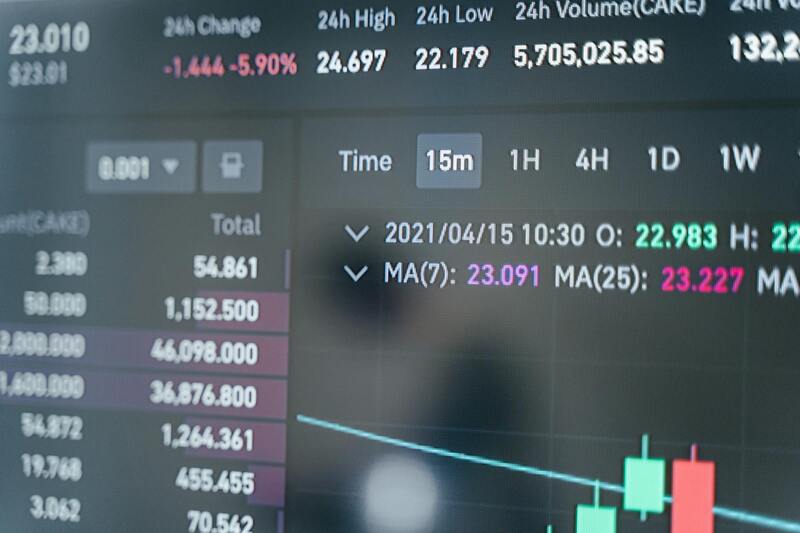
Seamless financial operations are critical components of a prop firm platform. Integrating reputable payment gateways facilitates deposits, withdrawals, and real-time fund management with ease. The system must support multiple payment methods, including bank transfers, credit/debit cards, and e-wallets, to accommodate diverse user preferences.
Automated transaction processing systems help in reducing manual intervention, speeding up deposits and withdrawals, and maintaining transparency. Clear presentation of transaction fees, processing times, and currency options enhances user experience. Additionally, implementing secure payment protocols, including PCI DSS compliance, guarantees that all payment data remains secure and adheres to industry standards.
Implementing User Support and Communication Channels
Providing effective support channels is vital for maintaining user confidence and platform reliability. Establishing live chat, email support, and comprehensive FAQs ensures users can receive assistance promptly. Integration of ticketing systems enables tracking of support requests, ensuring timely resolutions.
Regularly updating support content with relevant guides, video tutorials, and troubleshooting articles enhances user self-sufficiency. Moreover, proactive communication through notifications about platform updates, maintenance schedules, or potential issues demonstrates transparency, reinforcing a trustworthy environment for traders.
Ensuring Mobile Responsiveness and Accessibility
A significant portion of users accesses trading platforms via mobile devices. Designing a responsive website that adapts seamlessly to various screen sizes and device types is critical for usability. Prioritizing mobile-first design ensures that all core functionalities—from account management to trading dashboards—are accessible without compromise.
Accessibility features such as keyboard navigation, screen reader compatibility, and adjustable font sizes improve overall inclusivity, making the platform usable for a wider audience. Ensuring that navigation menus are intuitive and loading speeds are optimized further enhances user engagement and satisfaction across devices.
Understanding Prop Firm Website Requirements
Creating a professional prop firm website involves adhering to a comprehensive set of requirements that ensure security, functionality, and compliance with industry standards. The platform must facilitate seamless user registration and account management features, including secure login systems and detailed trader profiles. Robust data protection protocols such as encryption and secure data storage are essential to safeguard sensitive information and financial transactions.
In addition to core features, the website should incorporate advanced trading tools, real-time data feeds, and analytics capabilities to support traders in their decision-making processes. These tools must be integrated efficiently to ensure minimal lag and optimal performance across different devices.
Furthermore, the platform warrants clear communication channels, including live chat, email support, and detailed FAQ sections to enhance user engagement. Integration of support ticketing systems ensures issues are tracked and resolved promptly, fostering a reliable environment for traders.
To meet the expectations of traders, the website must comply with industry standards for financial information security, such as adhering to established data handling practices and implementing rigorous authentication measures. This not only boosts user confidence but also aligns with best practices for maintaining a trustworthy trading environment.
Planning Website Structure and Content
Effective planning begins with mapping out a clear, logical website structure. This includes defining main navigation sections such as Home, About Us, Trader Registration, Trading Platform, Educational Resources, Contact, and Terms of Service. Each section should be tailored to provide relevant and comprehensive information that guides users effortlessly through the platform.
Content creation involves developing detailed descriptions of services, trading rules, risk management policies, and account types. Transparent communication about fees, terms, and trading conditions fosters trust and helps traders make informed decisions.
A well-structured sitemap ensures search engines understand the website’s hierarchy, improving organic visibility. Additionally, including targeted keywords naturally within content helps enhance SEO performance, attracting more potential traders.
Designing a User-Friendly Interface
The user experience (UX) design should prioritize simplicity and intuitiveness. Clear navigation menus, prominent calls-to-action (CTAs), and a minimalistic aesthetic help reduce user frustration and encourage higher engagement.
Color schemes and typography should be chosen to promote readability while aligning with the brand identity. Visual consistency across pages enhances usability and professionalism.
Mobile responsiveness is critical; the interface must adapt seamlessly to various screen sizes and device types without compromising functionality. Touch-friendly buttons, streamlined menus, and quick load times improve on-the-go access for traders.
Accessibility features such as keyboard navigation, high contrast modes, and adjustable text sizes make the platform more inclusive for users with differing needs.
Developing Core Features and Functionality
Building a solid foundation for a prop firm website requires the development of essential features that support trading activities and client management. These core functionalities include a secure account registration process, dashboards displaying real-time trading data, order execution capabilities, and risk management tools.
Implementing trading algorithms or APIs for integration with external platforms allows traders to execute strategies efficiently. Risk controls such as stop-loss orders, margin monitoring, and position sizing help mitigate potential losses.
For compliance and regulatory adherence, include features like audit logs, transaction histories, and session timeouts. These add layers of security and transparency, crucial for both the platform’s integrity and user trust.
Customer support features, including live chat, ticket submission, and resource libraries, ensure that traders can access help when needed. Additionally, integrating educational resources such as tutorials and webinars boosts user skills and platform engagement.
Implementing Robust Security Measures
Securing a prop firm website is fundamental to protecting both the platform and its users. Deploy multi-layered security protocols, such as SSL encryption, to safeguard data transmissions. Regular vulnerability assessments and penetration testing help identify potential weaknesses before they are exploited. Implementing secure user authentication methods — including two-factor authentication (2FA) — adds an extra layer of protection for client accounts.
Additionally, consider employing advanced security practices such as encrypted databases, firewall configurations, and intrusion detection systems (IDS). These measures prevent unauthorized access and cyberattacks, which could compromise sensitive trading information. Implementing proper session management, including automatic timeouts and secure cookies, ensures that user sessions remain protected from hijacking.
Embedding Compliance and Transparency Features
Building trust with clients involves transparent operational processes and thorough documentation. Incorporate features like comprehensive transaction histories and audit logs that track all activities within the platform — from account creation to trades executed. These logs facilitate accountability and can be useful for resolving disputes or investigating suspicious activity.
Implement real-time notifications for important account activities, such as large trades or margin calls, to keep users informed and enable prompt action. Ensuring adherence to industry standards involves incorporating user terms and conditions, privacy policies, and data protection measures that follow established best practices.
Streamlining Customer Support and Educational Resources
Providing accessible customer support enhances user experience and trust. Integrate intuitive live chat functions, comprehensive FAQ sections, and ticket management systems to address trader inquiries efficiently. Establishing dedicated resource libraries containing tutorials, webinars, and market analyses helps users develop their skills and maximizes the platform’s educational value.

Offering regular updates on platform features, security measures, and compliance procedures ensures that users remain informed about how their data and assets are protected. Transparency regarding operational practices and commitment to ongoing improvement are vital components in maintaining a reputable prop trading environment.
Integrating Compliance and Legal Elements
Developing a prop firm website requires meticulous attention to compliance and legal frameworks that underpin the platform’s operations. This involves implementing necessary features to safeguard both the firm and its traders, ensuring transparency, and establishing clear boundaries and responsibilities through documented policies.
First, prominently display detailed terms of service that clearly outline user responsibilities, platform rules, and trading policies. These terms should encompass dispute resolution procedures, account termination conditions, and the scope of permissible trading activities. Having these policies easily accessible and understandable helps establish a foundation of trust and accountability.
Privacy policies and data protection measures must be crafted in accordance with industry standards to securely handle sensitive user data. Implement user consent protocols during registration and information collection, ensuring transparency about data usage and storage. These measures mitigate risks associated with data breaches and protect user rights.
Compliance does not stop at policies; it extends into the platform’s operational functionality. Integrate identity verification systems during account setup to prevent fraudulent activities and ensure authentic user registration. This process, often known as KYC (Know Your Customer), further supports a legitimate trading environment and helps to maintain regulatory standards.

Additionally, incorporate mechanisms for monitoring and auditing user activities, such as real-time activity logs and transaction records. These features foster transparency, enable the detection of suspicious behaviors, and facilitate dispute resolution. Regularly update security protocols to counter emerging threats and ensure that the platform remains resilient against unauthorized access or malicious attacks.
Incorporating compliance and legal elements into a prop firm website is a continuous process that involves regular reviews of policies and security measures to adapt to evolving industry standards. Clear communication of these policies and the platform’s commitment to maintaining integrity are fundamental in attracting and retaining professional traders who prioritize security and accountability.
Maintaining and Updating the Website
Once the prop firm website is launched, ongoing maintenance becomes a critical component of its success. A well-maintained platform not only ensures a seamless experience for users but also reinforces the trustworthiness and professionalism of the trading firm. Regular updates are essential in keeping content relevant, releasing new features, and addressing emerging security concerns.
Content Refreshment and Information Accuracy
Consistent review and updating of website content help reflect the latest company offerings, policies, and industry developments. This includes updating trading terms, fee structures, regulatory notices, and educational material. Accurate information fosters transparency and minimizes misunderstandings, ultimately supporting informed decision-making by traders.
Monitoring Website Performance
Utilize analytics tools to track visitor behavior, page load times, and user engagement metrics. Monitoring these data points helps identify bottlenecks or areas needing improvement. Fast-loading pages, intuitive navigation, and quality content contribute significantly to user satisfaction and conversion rates.
Security and Compliance Updates
Security threats are constantly evolving, demanding regular updates to security protocols. Patch vulnerabilities promptly, update encryption standards, and reinforce protective measures like firewalls and anti-malware tools. Continual compliance review ensures the platform adheres to the latest industry standards and internal policies.
Implementing User Feedback and Feature Enhancements
- Gather feedback through surveys, support channels, and user behavior analysis.
- Prioritize features and updates based on user needs and operational goals.
- Implement improvements iteratively, testing new functionalities thoroughly before deployment.
Regular Security Audits
Periodic audits of the website’s security architecture help uncover vulnerabilities that could be exploited by malicious actors. Employ third-party security experts to perform penetration testing and review the effectiveness of implemented safeguards. Addressing identified issues swiftly minimizes potential risks.

Constant evaluation and adaptation ensure the prop firm website remains a reliable trading environment. Establishing a dedicated team or engaging professional service providers to oversee ongoing maintenance activities can streamline this process. This proactive approach guarantees that the platform stays aligned with technological advancements, regulatory changes, and industry standards, providing a secure, user-centric experience for all traders and stakeholders involved.
