
How to Start a Prop Trading Firm: Phase 1 — Understanding Proprietary Trading and the Industry Landscape

Establishing a proprietary trading (prop trading) firm requires a comprehensive understanding of how these entities operate within the financial markets. Prop trading firms serve as specialized financial institutions that use their own capital to execute trades, aiming to generate profits through strategic investment approaches. Unlike traditional investment firms, their primary focus revolves around direct market participation, often engaging in a broad array of asset classes, such as equities, derivatives, currencies, and commodities.
Key characteristics of the prop trading industry include the intense reliance on cutting-edge technology, sophisticated trading strategies, and disciplined risk management. These firms thrive on their ability to adapt quickly to market fluctuations and leverage advanced analytics to identify trading opportunities. Typically, successful prop trading firms operate with lean structures that maximize agility and minimize operational overheads while maintaining rigorous compliance protocols.
Understanding the critical role of the industry landscape is essential for anyone interested in establishing a new prop trading enterprise. This involves identifying target markets, understanding capital flow dynamics, and recognizing competitive advantages. The industry is known for its high-profit potential but equally high risk exposure. Therefore, thorough knowledge of market mechanics, asset behavior, and trading psychology is vital to navigating this space effectively.

- Market Knowledge: A robust understanding of financial markets, asset classes, and trading instruments.
- Technology: Access to advanced trading platforms, data feeds, and analytical tools.
- Risk Management: Implementing strict protocols to mitigate potential losses and ensure sustainability.
- Capital Requirements: Initial funding to support trading operations and growth strategies.
- Competitive Edge: Differentiators such as proprietary algorithms, unique strategies, or niche market focus.
With solid industry knowledge, aspiring prop traders can better understand how to position their firm for success. This initial phase involves assessing existing market opportunities, identifying gaps that your firm can exploit, and understanding the foundational elements that support ongoing operations. Developing this awareness is crucial before progressing to the subsequent steps, such as legal planning, funding, and infrastructure setup.
Understanding Proprietary Trading and the Industry Landscape
In the realm of prop trading, a comprehensive grasp of the market environment is essential for formulating a viable business strategy. This involves analyzing the flow of capital across different asset classes, assessing the competitive landscape, and pinpointing strategic opportunities that can serve as the foundation of a successful trading firm.
Proprietary trading firms operate by deploying their own capital in various markets, aiming to generate profits through skilled trading strategies. Their success hinges on a blend of technical expertise, technological infrastructure, and disciplined risk management protocols. To navigate these elements effectively, aspiring traders must immerse themselves in understanding market mechanics, asset price behaviors, and the psychological aspects of trading.

Key Components of the Industry Landscape
- Market Knowledge: An in-depth understanding of diverse financial markets, from equities and forex to commodities and futures, is vital. This knowledge aids in identifying profitable opportunities and managing the inherent volatility of different asset classes.
- Technology: Advanced trading platforms, API integrations, real-time data feeds, and powerful analytical tools are indispensable for timely decision-making. Staying ahead with technology allows traders to execute strategies efficiently and adapt swiftly to market changes.
- Risk Management: Establishing and maintaining rigorous risk management protocols ensures that losses are contained and the firm’s capital is preserved. This includes setting appropriate position sizes, diversification strategies, and stop-loss mechanisms.
- Capital Requirements: The initial capital investment must be sufficient to support trading activities and cover operational costs. Strategies for raising this capital may involve personal funds, partnerships, or external investors.
- Competitive Edge: Differentiating factors such as proprietary algorithms, specialized market focus, or unique trading strategies enable a firm to stand out in a competitive environment. Continuous innovation and adaptation are key to maintaining this advantage.
Establishing a clear understanding of these components helps aspiring proprietary traders position their firms for sustainability and growth. Staying informed about evolving market trends and regulatory developments also informs strategic decisions, ensuring the firm remains compliant and adaptable.

Moving Forward: From Industry Awareness to Business Foundations
With a solid grasp of the industry landscape, the next steps involve detailed research into the specific legal frameworks applicable to your region, forming a comprehensive business plan, and securing necessary funding. It’s important to approach each phase systematically, ensuring that foundational elements such as infrastructure, staffing, and risk protocols are established before actively trading.
Utilizing Official Registration and Licensing Processes
Launching a proprietary trading firm requires meticulous adherence to official registration procedures that establish your business's presence within the financial ecosystem. Initiating this process involves selecting the appropriate legal structure—such as a corporation, LLC, or partnership—each offering different advantages in terms of liability, taxation, and operational flexibility. Registering your business with relevant government agencies ensures your firm is recognized and can operate transparently and officially.
Depending on your jurisdiction, registering your firm may involve filling out applications with securities commissions, financial regulatory bodies, or trade authorities. These entities review your documentation to verify that your firm meets operational standards, financial stability, and governance requirements. Proper registration not only affirms your firm's credibility but also streamlines interactions with banking institutions, clients, and potential investors.

Beyond registration, obtaining necessary licenses or permits tailored to trading activities or financial services is vital. This might include licenses for executing high-frequency trading, participating in specific markets, or managing client funds if applicable. Securing these permits typically involves detailed application procedures, demonstrating your firm's compliance with operational standards, financial safeguards, and reporting requirements.
Developing Internal Policies and Documentation
Establishing comprehensive internal policies is an integral part of official setup procedures. These policies govern trading practices, risk management, employee conduct, and data security. They serve as a foundation for ongoing compliance and foster a culture of transparency and responsibility within the firm.
Legal documentation, such as compliance manuals, trading agreements, and client onboarding protocols, must be drafted with precision. These documents specify operational protocols, risk limits, and dispute resolution mechanisms. They also clarify the roles and responsibilities of staff, ensuring a clear understanding of compliance obligations and mitigating potential operational risks.
Engaging with Regulatory Bodies and Financial Institutions
Building strong relationships with regulatory bodies and financial institutions is fundamental. Regular communication and transparency demonstrate your firm’s commitment to compliance and foster trust. Establishing banking relationships that support your trading activities, including accounts that facilitate swift fund transfers and withdrawals, is crucial for operational efficiency.
Furthermore, participating in industry forums and compliance seminars can provide ongoing insights into evolving regulations and recommended best practices. Staying proactive in regulatory engagement helps your firm adapt promptly to changes, ensuring sustained operational integrity and market confidence.
Securing Capital and Funding Options
Attaining the necessary capital to launch a proprietary trading firm requires deliberate planning and exploration of varied funding sources. Initial funding can come from personal savings, but to scale effectively, external financing options are essential. Engaging with private investors, angel investors, or venture capital firms that specialize in financial ventures can provide the bulk of startup capital. It is crucial to present a comprehensive business plan and clear investment proposition to attract serious funding partners.
Bank loans and lines of credit also serve as practical funding avenues, especially when backed by solid financial projections and collateral. Additionally, some firms opt for strategic partnerships with liquidity providers or financial institutions that may offer funding in exchange for a stake or trading arrangements. Establishing relationships with these entities early can streamline capital flow and trading operations.
Many successful prop trading firms explore managed accounts or funding programs that pool investor capital under stringent risk management protocols. These programs can serve as both revenue sources and validation points in the firm's growth trajectory.

It’s imperative to maintain transparent financial practices, including thorough documentation of capital sources and usage. This transparency safeguards the firm's reputation and supports ongoing compliance adherence. A well-structured funding approach not only guarantees sufficient operational capital but also builds confidence among stakeholders, paving the way for sustainable growth and operational stability.
Setting Up Infrastructure and Trading Technology
Building a robust technological foundation is fundamental for a prop trading firm's success. The core of this infrastructure includes trading platforms, data feeds, risk management tools, and secure communication systems. Opting for trading technology that offers real-time data, customizable algorithms, and seamless execution capabilities can significantly improve trading efficiency.
It is equally essential to establish a resilient IT infrastructure with strong cybersecurity measures. Protecting proprietary trading strategies, client data, and internal communications reduces vulnerability to cyber threats or breaches. High-speed internet connections, reliable servers, and disaster recovery protocols further ensure continuous trading operations.

Choosing the right technology suppliers involved meticulous evaluation of their offerings, responsiveness, and support services. Compatibility between hardware and software components also plays a vital role, preventing technical issues during critical trading moments. Many firms leverage cloud-based solutions for flexibility, scalability, and cost-efficiency, enabling rapid adjustments to changing trading demands.
Hiring Trading and Support Staff
Recruitment is a decisive factor that can influence the overall performance and reputation of your prop trading firm. When hiring traders, prioritize individuals with proven track records, deep market understanding, and disciplined trading styles. Emphasizing candidates with certifications or experience in relevant trading algorithms and risk controls is advantageous.
Additionally, hiring support staff such as compliance officers, risk managers, IT specialists, and administrative personnel ensures smooth operational workflows and regulatory adherence. These roles contribute to establishing a disciplined, transparent, and efficient trading environment.
- Screen candidates thoroughly with technical assessments and behavioral interviews
- Verify professional credentials and trading performance history
- Invest in ongoing training programs to enhance skills and familiarity with regulatory updates
Creating a collaborative culture among traders and support personnel promotes shared goals and accountability, essential for long-term success.
Implementing Risk Management and Compliance Procedures
Establishing comprehensive risk management protocols is vital to safeguard the firm’s capital and reputation. These procedures include setting strict trading limits, monitoring positions in real-time, and deploying automated risk controls that trigger halts or adjustments when thresholds are breached.
Compliance procedures should encompass regular audits, detailed record-keeping, and adherence to legal and operational standards specified for proprietary trading. Employing dedicated compliance officers can help maintain discipline and swiftly address regulatory changes.

Incorporating advanced analytics and monitoring tools enhances oversight capabilities, allowing proactive identification of potential issues. A well-rounded risk framework minimizes exposure during volatile market periods and builds firm resilience over time.
Setting Up Infrastructure and Trading Technology
Establishing a robust technological backbone is crucial for a proprietary trading firm aiming for efficiency, reliability, and competitive edge. The foundation begins with selecting trading platforms that align with your trading strategies, whether they focus on equities, forex, commodities, or derivatives. These platforms should offer customization options, real-time data integration, and proven stability during high-volume trading sessions.
Data feeds form the core of informed decision-making. Opt for premium, low-latency data services that provide comprehensive market information, including bid-ask spreads, order book depths, and news feeds. Reliable data feeds enable traders to react swiftly to market movements and improve overall trading precision.
Brokerage accounts must be established with firms that support high-frequency and large-volume trading while maintaining transparent fee structures. It’s essential to negotiate terms that optimize cost-efficiency without sacrificing service quality. Many prop trading firms prefer brokerages offering direct market access, ensuring minimal order execution delays.

Beyond software, invest in high-performance hardware, including dedicated servers, backup systems, and secure networking solutions. Cloud-based infrastructure can also be an effective way to ensure scalability and redundancy, reducing the risk of downtime that can impact trading operations. Cybersecurity measures, such as encryption, firewall protections, and regular audits, safeguard sensitive data and trading strategies from external threats.
Establishing Risk Management Protocols
With the technological setup in place, integrate risk management tools directly into your trading environment. These systems can monitor trading activity in real time, automatically halting or adjusting trades that exceed preset risk parameters. Automated alerts notify risk managers of anomalies, enabling swift responses to unforeseen market or technical issues.
Effective risk management also includes comprehensive testing of systems before live deployment, ensuring that all components function correctly under various market conditions. Establish clear procedures for incident response, including contingency plans for technical failures or data breaches.
Documenting and Training Staff
Ensure all team members are well-versed in the operational tools and risk management systems. Provide ongoing training to adapt to software updates or regulatory changes, fostering a disciplined and knowledgeable trading environment. Proper documentation and standard operating procedures support consistency and help new traders integrate smoothly into the firm’s workflow.
Optimizing for Scalability and Growth
As your firm matures, revisit your infrastructure to support increased trading volume and expanded asset classes. Regular performance assessments and upgrades ensure that technological capabilities keep pace with strategic goals, maintaining competitiveness and operational resilience.
Establishing Systems for Operational Efficiency and Security
Once the infrastructure and trading technology are in place, developing robust operational procedures is essential for maintaining efficiency and security within the prop trading firm. This involves implementing standardized protocols for daily trading activities, data handling, and internal communications to promote consistency and accountability across the organization.
Data security is paramount, particularly when dealing with sensitive trading algorithms and client information. Employ cybersecurity measures such as encryption, secure access controls, and regular audits to safeguard assets and proprietary information from external threats. Employing multi-factor authentication and routine system updates further strengthens security protocols.

Effective internal controls include comprehensive audit trails that track all trading activities and system access. Maintaining detailed logs facilitates quick resolution of discrepancies and supports regulatory compliance efforts. Regular review and audit of these logs help identify vulnerabilities and ensure adherence to established policies.
Standard Operating Procedures and Documentation
Develop detailed standard operating procedures (SOPs) covering all facets of trading operations, from order execution to risk management. These SOPs should be easy to follow and regularly reviewed to incorporate process improvements or regulatory updates. Clear documentation ensures consistency, reduces errors, and supports staff training efforts.
In addition, establish comprehensive incident response plans to address potential cybersecurity breaches, system failures, or trading anomalies. These plans should spell out step-by-step actions, responsible personnel, and communication protocols to minimize impact and facilitate rapid recovery.
Training and Staff Development
Ongoing staff training is crucial to keep the team adept at using the trading platforms, risk management tools, and compliance procedures. Regular training sessions, coupled with update briefings on emerging industry practices, help maintain high operational standards and foster a security-conscious culture.
Encouraging feedback from team members about operational procedures can lead to continuous process improvements, ensuring that the firm adapts proactively to market and technological changes. A well-trained team not only enhances performance but also strengthens the firm’s ability to manage both opportunities and risks effectively.
Implementing Technological Enhancements for Scalability
As trading volume increases, it’s necessary to revisit and upgrade technological systems to support scalability. This might include enhancing data processing capabilities, expanding server infrastructure, or adopting advanced analytics tools to optimize decision-making processes. Automation technologies can also improve speed and accuracy, allowing the firm to handle larger and more complex operations efficiently.
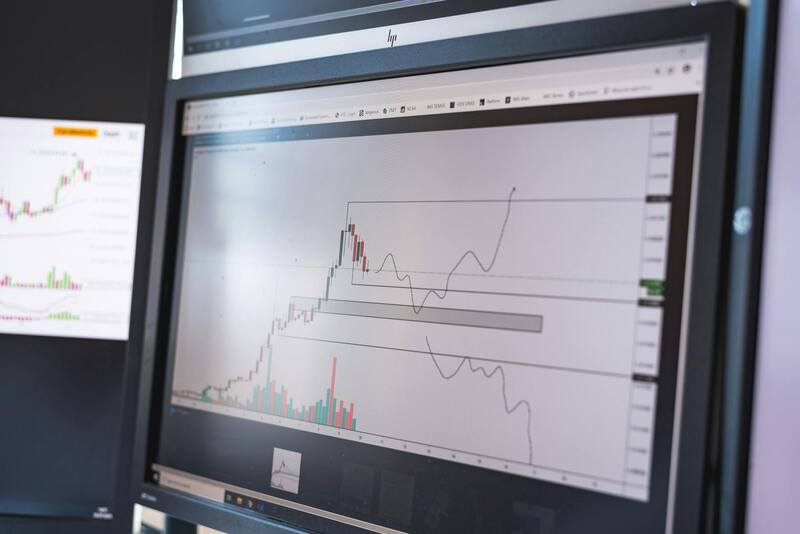
Monitoring system performance through detailed metrics enables the identification of bottlenecks or inefficiencies, guiding strategic upgrades. Regular maintenance and performance assessments ensure that the technological backbone remains resilient and capable of supporting future growth stages.
Securing Capital and Funding Options
One of the most critical steps in establishing a proprietary trading firm involves securing adequate capital to support trading activities. Unlike traditional businesses, prop trading firms rely heavily on capital that is often derived from personal funds, private investors, or institutional backing. The goal is to create a robust financial foundation that allows for sufficient trading volume, risk management, and flexibility to adapt to market changes.
Initially, new firms often start with personal savings or funds pooled from a small group of trusted investors. This approach provides a degree of control and demonstrates commitment and confidence in the firm’s strategy. As the firm expands, seeking external funding becomes a viable option. This can entail pitching to private investors or institutional partners who are interested in high-growth trading opportunities.
For attracting larger funding sources, cultivating credibility through a comprehensive business plan, proven trading strategies, and transparent operational protocols is essential. Detailed documentation of risk management procedures, historical performance records (if available), and compliance measures can greatly enhance investor confidence. Presenting realistic growth projections alongside clear risk controls helps establish a compelling case for investment.
Another avenue for securing capital involves trading with proprietary funds provided by external investors or partnerships that specialize in prop trading. These arrangements allow firms to leverage larger pools of capital without requiring upfront contributions from the founders personally. However, such partnerships necessitate thorough vetting and legally binding agreements to protect both parties' interests.

In addition, some firms explore fund-raising through financial instruments like trading funds or managed accounts where investors contribute capital to be managed by the firm’s traders. These structures often involve performance-based fees, aligning trader incentives with investor returns.
Regardless of the funding method chosen, implementing sound financial management practices—including detailed record-keeping, regular audits, and transparency—is crucial. These practices not only ensure smooth operation but also support ongoing relationship building with investors and stakeholders.
Setting Up Infrastructure and Trading Technology
With capital secured, establishing a reliable infrastructure and trading platform becomes paramount. This involves selecting high-performance trading software, connecting to overseas exchanges, and ensuring robust data feeds to support timely decision-making. The technology stack should be scalable to accommodate increased trading activity, with backups and redundancies in place to minimize downtime.
Operational infrastructure also includes setting up secure networks, data storage solutions, and compliance monitoring systems. High-frequency and algorithmic trading demand low latency connections, advanced analytics, and seamless integration of various hardware and software components.
Investing in the right environment ensures the firm’s ability to execute trades efficiently and respond swiftly to market movements. A well-designed infrastructure supports not only current trading strategies but also future technological enhancements.

Finalizing Your Prop Trading Firm Setup and Ensuring Sustainable Growth
After establishing the necessary infrastructure, assembling your team, and implementing comprehensive risk and compliance protocols, the focus shifts to launching your trading operations and fostering continuous improvement. This phase is critical for translating your preparation into consistent, profitable trading activities that adhere to your strategic objectives and operational standards.
Officially Launching Trading Activities
Before going live, conduct extensive testing of your trading platform and infrastructure to identify and resolve any potential issues. This includes simulated trading scenarios that mimic real market conditions to validate system stability and performance under various stress factors. During this phase, fine-tune algorithms and trading parameters to optimize efficiency and minimize potential errors.
Implement a phased rollout approach, starting with a small group of traders or a limited trading portfolio to monitor real-time operations. This controlled environment allows for quick feedback loops, enabling adjustments before scaling to full trading capacity. Ensure all team members are well-versed in risk protocols, trading procedures, and compliance requirements.

Monitoring Performance with Advanced Analytics
Utilize sophisticated analytics tools to continuously monitor trading performance, risk exposure, and system health. Dashboard displays should include key performance indicators (KPIs) such as profit and loss (P&L), drawdowns, win-loss ratios, and trader activity patterns. Regular review of these metrics helps identify areas for improvement and potential vulnerabilities.
Leverage machine learning algorithms and data-driven insights to refine trading models and adapt to evolving market conditions. Real-time data analysis is essential for making informed decisions, adjusting strategies promptly, and maintaining a competitive edge within the industry.
Adapting Strategies and Enhancing Operations
Continuous improvement is fundamental to sustained success in prop trading. Encourage traders and analysts to review their performance regularly, fostering a culture of learning and innovation. Incorporate feedback mechanisms to capture insights from trading activities and incorporate new techniques or technologies.
Stay informed about market developments, macroeconomic factors, and technological advancements that could impact trading strategies. Adapt your firm’s approach through systematic updates, backtesting new ideas, and exploring emerging trading methodologies like algorithmic and high-frequency trading.
Building Institutional Relationships and Expanding the Firm
As your firm stabilizes and demonstrates consistent performance, explore opportunities for strategic partnerships and capital expansion. Cultivating relationships with institutional investors, asset managers, and financial technology providers can provide additional resources, trading opportunities, and technical expertise.
Maintain transparent communication and adherence to established operational standards to foster trust and reliability. This approach not only enhances your firm’s reputation but also opens doors to increased funding, collaborative ventures, and broader market access.
Ensuring Long-term Sustainability
Focus on sustainable growth by implementing scalable systems, diversifying trading strategies, and maintaining rigorous risk controls. Periodic reviews of compliance and operational procedures are vital to adhere to evolving industry standards and best practices.
Invest in ongoing staff training and technological upgrades to keep pace with industry trends. Prioritize data security, disaster recovery planning, and system redundancies to mitigate potential disruptions. With a strategic focus on stability and innovation, your prop trading firm can achieve enduring success within the competitive financial landscape.
