Starting a Proprietary Trading Firm: An In-Depth Guide (Part 1 of 8)
Establishing a proprietary trading firm is a complex venture that requires careful planning, strategic development, and adherence to industry standards. Such firms serve as essential players within financial markets, engaging in trading activities using the firm’s own capital to generate profits. Before diving into operational processes, it is crucial to understand the fundamental role and function of proprietary trading firms.

What Is a Proprietary Trading Firm?
A proprietary trading firm, often called a prop firm, is a company that primarily trades financial instruments—such as stocks, options, commodities, and foreign exchange—using its own funds instead of client capital. These firms aim to capitalize on market movements, often employing sophisticated algorithms, data analysis, and trading strategies designed by expert traders and quantitative analysts.
Proprietary trading firms differ from other financial institutions like brokerages or asset management companies because their primary goal is profit maximization through their trading activities. They often invest in cutting-edge technology, engage in high-frequency trading, and develop proprietary algorithms to stay competitive.
The Role of Proprietary Trading Firms in Financial Markets
Within the broader landscape of financial markets, prop firms contribute significantly to liquidity and price discovery. Their active participation facilitates smoother trading operations, reduces spreads, and enhances overall market efficiency. Many proprietary trading firms also assume risks that traditional investment firms might avoid, allowing for a broader spectrum of trading strategies and opportunities.
For aspiring entrepreneurs, understanding these core functions is vital because the success of a proprietary trading firm hinges on the effective application of trading strategies, technological deployment, and risk management, which are built around these foundational roles.
Core Functions and Operations
- Market Making: Providing liquidity by continuously offering bids and offers in specific assets.
- Arbitrage Trading: Exploiting price discrepancies across markets or related securities to secure profits.
- High-Frequency Trading: Using algorithms to execute large volumes of trades in fractions of a second.
- Quantitative Research: Developing and implementing models that identify profitable trading opportunities.
An effective proprietary trading firm balances these functions with robust technological infrastructure, disciplined risk controls, and strategic management, forming the backbone of its operational success.
Understanding Proprietary Trading Firms
Proprietary trading firms, often known as prop firms, are specialized entities that use their own capital to engage in various trading activities across multiple asset classes, including equities, commodities, forex, and derivatives. Their primary focus is on executing high-volume and high-frequency trades to generate profits, often leveraging advanced technological systems and sophisticated algorithms. The core objective of a prop firm is to capitalize on market inefficiencies, arbitrage opportunities, and short-term price movements through disciplined trading strategies.

Starting a prop trading operation demands an intricate understanding of trading mechanics, market dynamics, and the operational risks involved. These firms act as key liquidity providers, facilitating smoother trading flows and contributing to more efficient pricing models. Their ability to adapt swiftly to changing market conditions often offers a competitive advantage, making technological agility and strategic innovation vital components of their success.
To effectively operate within the financial markets, a proprietary trading firm must master several crucial functions:
- Market Making: Continuously offering buy and sell quotes in targeted assets to provide liquidity and facilitate seamless trading.
- Arbitrage: Exploiting differences in asset prices across different markets or related securities to secure riskless profits.
- High-Frequency Trading (HFT): Using algorithms to execute a large number of trades at speeds exceeding human capabilities, often capturing millisecond disparities in asset prices.
- Quantitative Research: Developing complex mathematical models and algorithms to identify lucrative trading opportunities based on data analysis.
Success in this field hinges on the integration of robust technological infrastructure, risk control frameworks, and innovative trading strategies. Proprietary trading firms often employ extensive teams of quantitative analysts, software developers, and risk managers to support their operations, ensuring they stay ahead in rapidly evolving markets.
Image Placeholder

Building a profitable proprietary trading firm requires meticulous planning, strategic resource allocation, and an unwavering focus on technological excellence. It involves not only understanding market mechanics but also establishing strong risk management protocols and staying adaptable to market shifts. Ensuring this operational harmony is essential for sustaining long-term profitability and growth.
Understanding Proprietary Trading Firms
Starting a proprietary trading firm involves a comprehensive understanding of the operational, technological, and strategic elements that contribute to success in the financial markets. These firms leverage their own capital to execute trades across various asset classes, including equities, futures, options, and foreign exchange. Their core focus is on generating consistent profits through sophisticated trading strategies and cutting-edge technology, rather than serving external clients. Building a reputable and sustainable prop trading enterprise demands rigorous planning and alignment of resources to market demands, risk control, and technological innovation.
Developing a Business Plan and Trading Strategy
The foundation of a successful proprietary trading firm begins with a detailed business plan that clearly defines objectives, operational scope, target markets, and risk appetite. A well-crafted plan should include the identification of specific trading niches, such as scalping, trend following, or mean reversion, tailored to the firm’s expertise and market conditions. The trading strategy itself must be grounded in quantitative research, backtesting, and real-time testing to ensure robustness and adaptability. Flexibility in strategy development is crucial to respond to dynamic market environments and unforeseen volatility.
Capital Requirements and Funding Options
Establishing sufficient capital is vital for executing strategies effectively and managing risk. Typically, a proprietary trading firm needs initial funding that can vary based on the markets targeted, the scale of operations, and the complexity of trading strategies. Sources of capital may include personal savings, institutional investors, or private equity. Some firms start with a smaller operational budget to validate their strategies and then seek additional funding as they demonstrate profitability. Maintaining adequate capital reserves and access to flexible funding sources enhances the firm's capacity to capitalize on emerging opportunities and navigate downturns.
Technological Infrastructure and Trading Platforms

A proprietary trading firm’s competitive edge relies heavily on its technological infrastructure. This includes robust hardware systems, low-latency connectivity, and sophisticated trading platforms that support high-frequency trading and algorithm deployment. Customizable trading software allows traders and analysts to execute strategies seamlessly and monitor markets in real-time. Integration of data feeds, risk management software, and compliance monitoring tools further fortifies operational stability. The choice of infrastructure should focus on scalability, speed, and reliability to handle the high demands of modern trading activities.
Recruitment and Team Building
Building a high-performing team of traders, quantitative analysts, and software developers is essential for operational excellence. When recruiting, emphasis should be placed on experience, analytical skills, and a proven track record of strategy development. Complementary skillsets among team members foster collaboration, innovation, and continuous improvement. Creating a culture of disciplined trading, transparency, and accountability encourages sustained performance. Ongoing training and professional development ensure the team remains well-versed in the latest market tools, regulatory updates, and technological advancements.
Risk Management and Compliance Systems
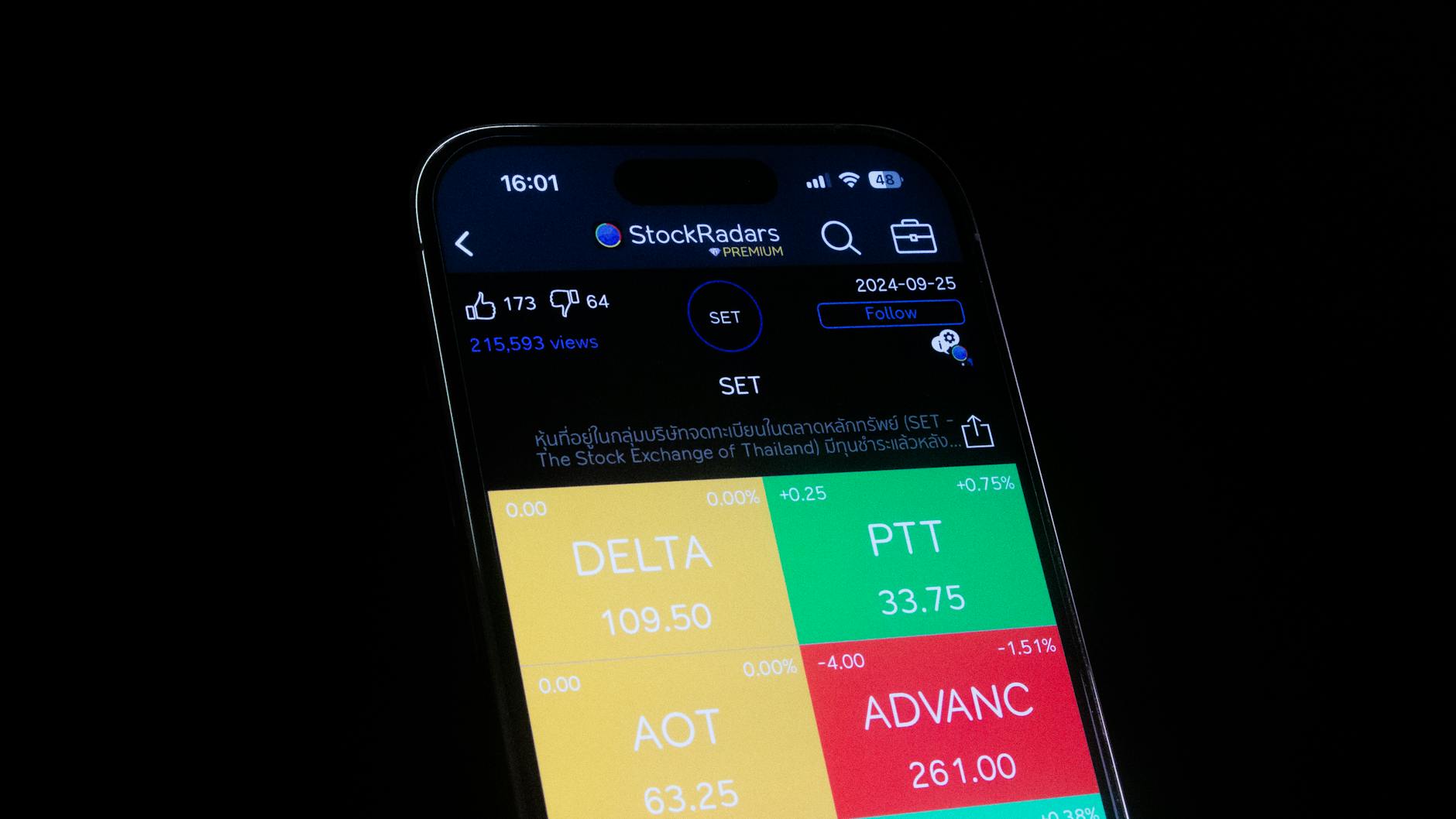
Implementing rigorous risk management protocols safeguards the firm against market volatility and operational mishaps. These include setting trading limits, implementing real-time monitoring, and automated stop-loss mechanisms. Compliance systems help ensure adherence to trading regulations, risk disclosures, and internal policies. Transparency in reporting and audit trails support accountability and mitigate potential legal or financial liabilities. A proactive approach to risk management fosters confidence among stakeholders and sustains the firm’s reputation.
Launching and Scaling the Firm
Launching a proprietary trading firm involves phased implementation—starting with pilot trading phases, refining strategies, and gradually increasing operational scale. Continuous performance evaluation, market analysis, and adaptation are vital throughout this process. As profitability stability is established, scaling can involve expanding into new markets, deploying additional capital, or diversifying trading strategies. Partnerships, strategic alliances, and technological upgrades further support scalable growth. Maintaining a focus on risk control, operational efficiency, and talent retention ensures long-term success in a highly competitive environment.
Capital Requirements and Funding Options
Starting a proprietary trading firm necessitates a clear understanding of the capital required to establish and sustain operations effectively. Typically, initial funding involves covering technology infrastructure, regulatory fees, operational costs, and risk management systems. While the specific capital needed can vary based on the scale and scope of the trading activities, a comprehensive financial plan should account for both fixed and variable expenses until the firm achieves consistent profitability.
Funding sources for new prop trading firms are diverse and can include:
- Personal Capital: Many entrepreneurs leverage personal savings to cover startup costs, which provides a solid foundation without immediate external obligations.
- Investors and Partners: Securing funding through trusted investors or strategic partners can facilitate quicker scaling. Such arrangements often involve equity sharing or profit-sharing agreements but require transparent communication and heightened oversight.
- Proprietary Capital: Some firms allocate capital from existing trading pools or parent companies, which helps in deploying large sums efficiently while maintaining control over operations.
Establishing a realistic budget aligned with the firm’s trading objectives is crucial. This includes reserving funds for ongoing research, operational costs, and unforeseen contingencies. A phased approach to funding—initial seed capital followed by reinvestment of profits—can help maintain operational stability and support gradual expansion.

Developing a Business Plan and Trading Strategy
Creating a comprehensive business plan is fundamental to the success of a proprietary trading firm. It defines the firm's objectives, operational framework, and growth trajectory while aligning the team and stakeholders with clear expectations. This plan should detail the firm's target markets, trading methodology, risk management protocols, and financial projections. Incorporating market analysis and competitive positioning informs strategic decisions, enabling the firm to adapt to evolving market conditions.
Designing a robust trading strategy is equally critical. This involves selecting trading styles—such as day trading, swing trading, or algorithmic trading—that align with the firm's risk appetite and capital allocation. The strategy should include specific criteria for entering and exiting trades, position sizing, and hedging techniques. Using historical data and backtesting tools can validate strategies, optimizing performance while minimizing drawdowns.

It is essential to establish clear trading rules and documentation to ensure consistency and discipline. These guidelines serve as a reference point for traders and facilitate ongoing strategy evaluation. Regular review and refinement based on performance metrics and market feedback help maintain a competitive edge and adapt to changing trading environments.
Capital Requirements and Funding Options
Strategic capital allocation underpins the operational stability and growth potential of a proprietary trading enterprise. Initial capital requirements vary depending on the scope of trading activities, technological investments, and regulatory considerations. Many firms begin with a modest seed capital, gradually scaling as trading performance and risk controls prove effective.
Funding sources for establishing a prop trading firm are diverse and tailored to the entrepreneur’s circumstances:
- Personal Savings: Entrepreneurs often utilize personal funds to bypass external funding constraints, establishing initial operations with minimal obligations.
- External Investors and Strategic Partners: Attracting trusted investors or partners can accelerate capital raising. Transparent communication and profit-sharing arrangements are vital to foster trust and long-term collaboration.
- Existing Capital Pools or Parent Company Resources: Leveraging internal capital or corporate funds can provide stability and continuity, especially in firms with an established trading or financial background.
Developing a realistic budget that accounts for spinoff expenses—such as technology, compliance, trading desks, and research—is vital. A phased funding approach, starting with seed capital and reinvesting profits, offers a sustainable growth pathway. Effective financial planning ensures sufficient liquidity for ongoing operations and strategic expansion, while also providing buffers for unforeseen market shifts and operational challenges.

Developing Effective Recruitment and Team Building Strategies
Establishing a proprietary trading firm requires assembling a team of highly skilled professionals who can execute the firm’s trading strategies effectively. The core team typically includes experienced traders, quantitative analysts, risk managers, compliance specialists, and supporting administrative staff. Success in this sector hinges on recruiting individuals with proven trading records, strong analytical skills, and a deep understanding of market dynamics.
Effective recruitment involves a multi-step process. Initially, it is crucial to define clear role descriptions and the specific skill sets required for each position. For traders, this might include expertise in algorithmic trading, market making, or discretionary trading, depending on the firm’s focus. Analysts and data scientists should possess strong quantitative backgrounds and proficiency in data modeling. Risk managers need a comprehensive understanding of financial regulations and risk mitigation techniques.
Networking within trading communities, attending industry conferences, and leveraging professional platforms are essential for sourcing top talent. Additionally, offering competitive compensation packages, performance-based incentives, and professional development opportunities attract high-caliber professionals committed to the firm’s long-term growth.
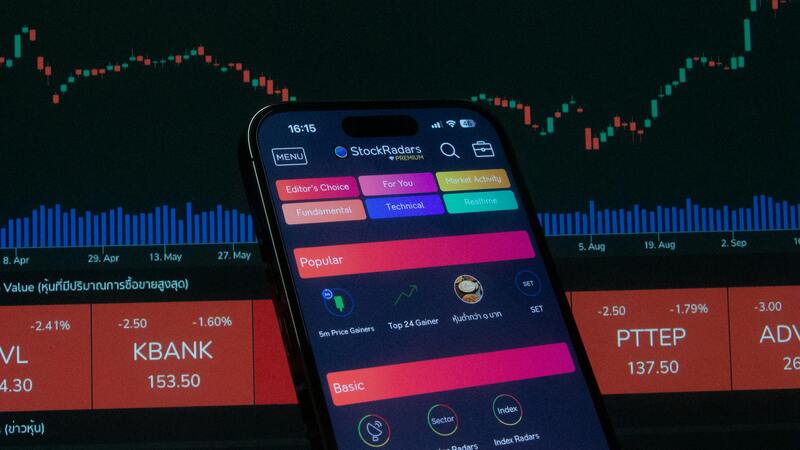
Fostering a cohesive team environment involves establishing a culture of transparency, accountability, and continuous learning. Regular training sessions, internal trading competitions, and skills enhancement programs promote growth and innovation within the firm. Moreover, integrated communication channels facilitate collaboration between traders, analysts, and support staff, ensuring that market insights, risk assessments, and strategic adjustments flow seamlessly across the team.
It is equally important to develop clear performance metrics and review processes. These measures not only motivate individual and team achievements but also provide valuable insights into trading strategies and operational efficiencies. As the firm expands, continuous recruitment and team development remain vital to adapt to evolving market conditions and technological advancements, ensuring the firm’s competitive edge endures.
Technology Infrastructure and Trading Platforms
Establishing a solid technological foundation is crucial for the seamless operation of a proprietary trading firm. This includes selecting robust trading platforms that support real-time data analysis, order execution, and risk management functionalities. Proprietary trading often involves high-frequency trading, requiring cutting-edge hardware and low-latency internet connections to capitalize on fleeting market opportunities.
Ensuring compatibility across different devices and operating systems is essential for traders who may work remotely or need mobility. Customizable interfaces tailored to traders' preferences can enhance efficiency, while integrated risk monitoring tools allow for immediate detection of potential issues, such as exceeding predetermined loss thresholds or sudden market volatility.

Data security and cybersecurity measures must be prioritized to protect sensitive information and uphold operational integrity. Implementing firewalls, encryption protocols, and regular system audits safeguards against potential breaches or operational disruptions. Additionally, establishing redundancy systems, such as backup servers and data recovery plans, ensures continuous trading capabilities even in the event of technical failures.
Integration and Custom Software Development
Many firms opt for custom trading software tailored to their specific strategies and risk parameters. Developing or integrating APIs with data providers and brokerage services facilitates streamlined order management and real-time market analysis. This customization enhances the firm’s agility in response to market shifts and allows for the automation of repetitive tasks, reducing operational errors and freeing traders to focus on strategic decision-making.
Compliance with Data Regulations
Handling large volumes of market and proprietary data necessitates strict adherence to data privacy and compliance standards. Incorporating compliance modules within the trading infrastructure ensures data handling procedures meet industry standards, audits, and regulatory expectations. This proactive approach minimizes the risk of compliance violations that could lead to operational disruptions or reputational damage.
In sum, investing in advanced trading technology and infrastructure is a foundational pillar that supports not only efficient trading execution but also long-term scalability and resilience.

Final Steps in Starting a Proprietary Trading Firm
Establishing a proprietary trading firm involves meticulous planning and execution across various operational domains. After laying down the foundation in terms of legal, strategic, and infrastructural setup, the subsequent focus shifts toward the actual launch and expansion of the trading operations.
Launching the Firm with Precision
Effective launch strategies are vital to ensure a smooth entry into the competitive trading landscape. This process often involves rigorous testing of systems, comprehensive staff training, and initial trading simulations to verify operational readiness. During this phase, transparency and clear communication channels among team members cultivate a cohesive environment geared toward achieving early performance benchmarks.
Implement formal onboarding processes for traders and support staff. Providing in-depth training on trading platforms, risk management protocols, and compliance policies ensures everyone understands the firm’s operational standards. This preparation minimizes errors during live trading and fosters a culture of accountability and continuous learning.
Monitoring and Performance Evaluation
Once operational, real-time monitoring tools allow the management team to track trading activity, analyze performance metrics, and identify areas for improvement. Key performance indicators (KPIs), such as profit/loss ratios, drawdown limits, and trade frequency, serve as benchmarks to evaluate the effectiveness of trading strategies and team performance.

Regular review meetings provide a platform to discuss challenges, share insights, and adapt strategies proactively. Fostering a feedback-driven environment accelerates improvement and enhances the firm's overall trading efficacy.
Scaling Strategies for Long-Term Growth
Progression from a niche operation to a sizable trading enterprise necessitates carefully calibrated growth methods. This involves diversifying trading strategies, expanding into different asset classes, and increasing the capital base prudently. Scaling should be guided by data-driven insights, ensuring that risk parameters are maintained and operational integrity is preserved.
Leveraging technology is crucial during expansion phases. Upgrading existing trading infrastructure, integrating advanced analytics tools, and automating routine tasks enable the firm to handle higher trading volumes efficiently. Developing strategic partnerships with data providers and brokerage firms further enhances market access and operational resilience.
- Capital infusion: Drawing additional funding through reinvested profits or external investors allows for strategic growth investments.
- Talent acquisition: Hiring experienced traders and technologists expands the quantitative and qualitative capabilities of the firm.
- Operational diversification: Exploring new markets and asset types reduces dependency on singular strategies and enhances stability.
Measuring Success and Planning Ahead
Success metrics extend beyond profitability; evaluating the firm's stability, compliance adherence, and technological robustness helps craft sustainable strategies. Establishing periodic review cycles ensures the firm remains adaptive to evolving market conditions and regulatory landscapes.
Long-term growth hinges on continuous innovation, disciplined risk management, and operational efficiency. By staying attuned to industry developments and maintaining a proactive approach to scaling, the firm positions itself for enduring success in the competitive arena of proprietary trading.