Understanding Prop Trading and Its Business Model
Proprietary trading, commonly known as prop trading, involves financial firms or individual traders using their own capital to execute trading activities across various markets, including stocks, commodities, forex, and derivatives. Unlike traditional investment management, where profits are generated primarily through client assets and fees, prop trading firms or traders aim to capitalize on market movements directly to generate income. This approach allows traders to leverage significant capital, often with sophisticated technology and trading infrastructure, to maximize profit potential.
At the core of this model is the concept of trading with the firm’s own funds, rather than clients’ money. Traders are typically tasked with identifying market inefficiencies, trends, and opportunities using technical and fundamental analysis. Success depends heavily on discipline, strategy, and risk management. Profits are earned when traders successfully predict market directions and execute trades that capitalize on those movements, with profits and losses impacting the firm’s bottom line directly.

Business-wise, prop trading firms often operate with a structured hierarchy that includes experienced traders, analysts, risk managers, and technology specialists. These organizations invest heavily in trading infrastructure, including high-speed data feeds, advanced trading algorithms, and secure trading platforms. The dominant goal is to create an environment that minimizes latency, maximizes decision-making speed, and ensures effective risk controls.
Revenue in prop trading stems from the firm's ability to consistently generate profits through disciplined trading strategies. To mitigate risk and preserve capital, firms typically implement strict trading parameters, including position limits, stop-loss protocols, and real-time monitoring. The profit-sharing arrangements for traders vary, but often include a base salary combined with a percentage of the profits they generate, incentivizing disciplined trading practices and consistent profitability.
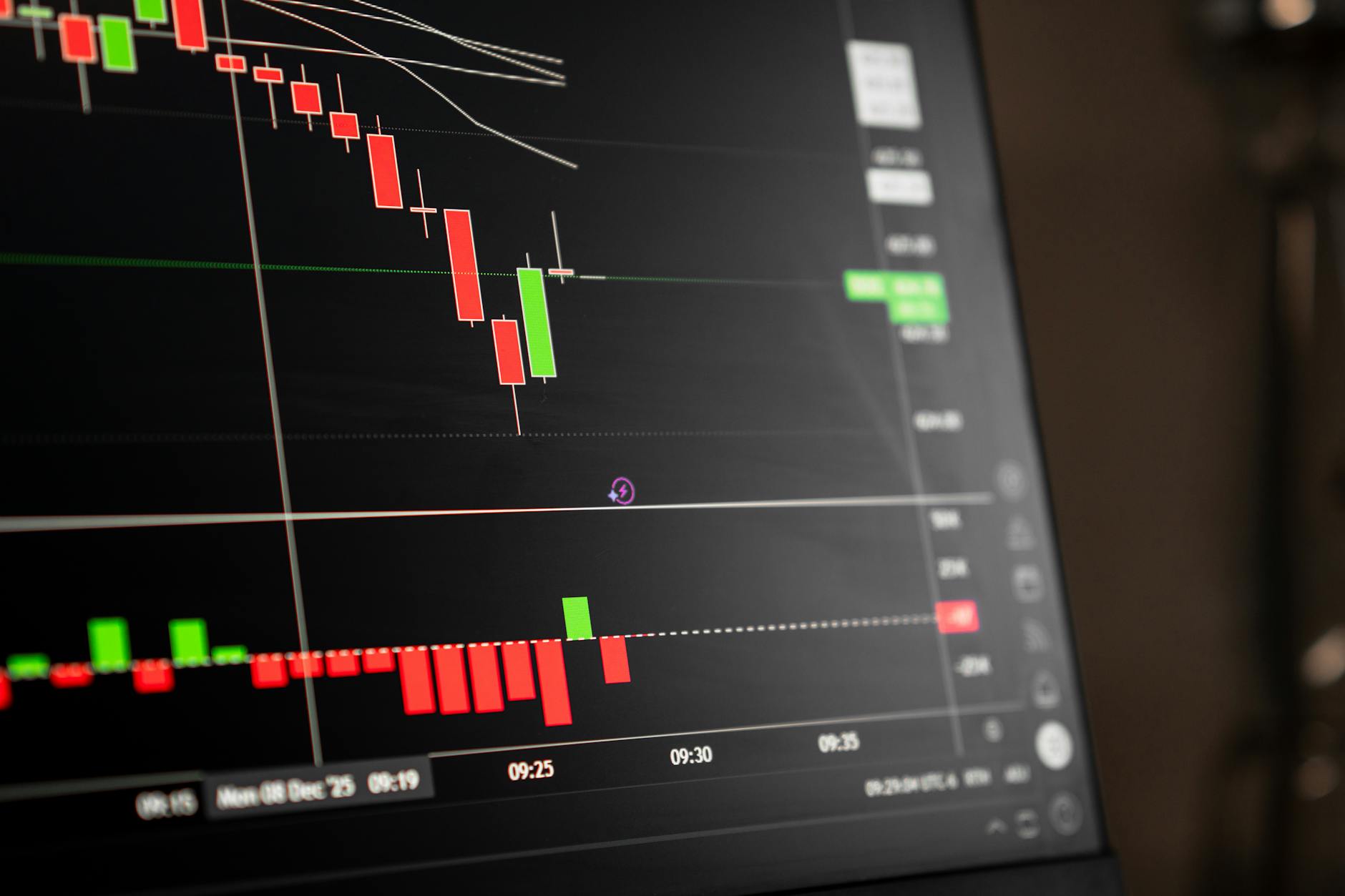
Ultimately, prop trading operates on a high-risk, high-reward paradigm. Successful firms cultivate a culture of ongoing analysis, adapt strategies to evolving market conditions, and invest in technological advancements to maintain a competitive edge. This business model not only generates substantial returns but also demands rigorous adherence to trading discipline, risk management, and continuous staff development.
Legal and Regulatory Requirements for Starting a Prop Firm
Establishing a proprietary trading firm involves navigating a complex landscape of compliance standards and operational protocols that ensure sound business practices while maintaining the ability to trade in various financial markets. Although specific licensing requirements may vary across jurisdictions, it remains crucial to adhere to established financial regulations designed to foster transparency, stability, and investor confidence.
The foundational step is to conduct a thorough review of relevant financial authority guidelines, which often include registration processes, reporting obligations, and ongoing compliance checks. Operating under a clear legal framework helps prevent disruptions, enhances credibility, and promotes sustainable growth within the trading community.
Compliance standards also extend to implementing robust anti-money laundering (AML) procedures, know your customer (KYC) policies, and data protection mechanisms to safeguard sensitive client and trader information. These protocols are vital for maintaining operational integrity and aligning with best practices in financial services.
Furthermore, institutional understanding of applicable securities laws and derivatives regulations is essential. For firms engaging in derivatives trading, compliance with trading limits, margin requirements, and disclosure rules ensures adherence to market conduct standards. Establishing internal policies to monitor trading activities, recordkeeping, and risk exposure can help mitigate legal risks and foster trust among traders and external partners.
In addition to regulatory obligations, setting up contractual frameworks such as partnership agreements, trader contracts, and non-disclosure agreements establishes clear operational boundaries and protects proprietary information. These documents also outline profit-sharing arrangements, trading conduct expectations, and dispute resolution procedures.

Seeking expert legal counsel and consulting industry-specific compliance experts can streamline the process of establishing a firm that meets all necessary standards. This proactive approach reduces risks, ensures smooth operation, and fosters a reputation for integrity and professionalism.
Understanding Prop Trading and Its Business Model
Proprietary trading, often referred to as prop trading, involves a financial firm using its own capital to trade stocks, commodities, currencies, derivatives, and other financial instruments. Unlike client-facing trading activities, prop trading commissions are generated from the firm’s own trading profit, which can lead to significant revenue streams if managed effectively. These firms typically employ a variety of sophisticated trading strategies, including algorithmic trading, market making, arbitrage, and high-frequency trading, all aimed at exploiting market inefficiencies for profit.
A core aspect of the prop trading business model is risk capital deployment. Firms allocate a specific pool of funds to their trading teams, who then use their expertise and analytical tools to identify lucrative trading opportunities. The success of a prop trading operation hinges on the firm’s ability to balance aggressive trading strategies with robust risk management protocols. This environment incentivizes traders to maximize profitability while maintaining disciplined adherence to predefined risk limits.
Additionally, prop firms often invest heavily in technology, including advanced trading platforms, real-time data feeds, and analytics software, to enhance decision-making capabilities. The technological infrastructure not only improves execution speed but also provides critical insights for continuous strategy refinement.

Understanding the distinct nature of prop trading is vital for establishing a sustainable and profitable operation. With firm capital at stake, strategic planning, disciplined execution, and a deep understanding of market dynamics are essential components of success.
Essential Elements of a Prop Trading Business Model
- Utilization of firm’s own capital to execute trades
- Employment of diverse trading strategies to capture market opportunities
- Implementation of comprehensive risk management frameworks
- Investment in advanced trading technology and infrastructure
- Continuous strategy evaluation and market analysis
Executing a profitable prop trading operation requires a clear understanding of market mechanics, operational discipline, and unwavering adherence to internal trading policies. Traders are often incentivized through profit-sharing schemes, aligning their interests with the firm’s overall success. Cultivating a team of skilled traders, supported by robust technology and risk controls, forms the backbone of a thriving prop trading enterprise.
Choosing a Trading Niche and Market Focus
Selecting the appropriate trading niche is a fundamental step in establishing a successful prop trading venture. The market focus you choose should align with your team’s expertise, technological capabilities, and risk appetite. Certain traders may excel in equities, while others might have a competitive edge in commodities, forex, or futures markets. Conducting comprehensive market analysis helps identify opportunities where your trading strategies can be most effective and sustainable.
Once a specific focus is identified, it becomes critical to understand the unique characteristics of that market segment. For instance, equities tend to have high liquidity and require real-time analytical tools for rapid decision-making. Forex markets operate 24 hours daily, demanding traders to adapt to global economic news and geopolitical events. Commodities often respond to supply and demand fluctuations, requiring meticulous research into external factors influencing prices.

Establishing a clear market niche provides a strategic advantage by allowing your team to develop specialized skills and leverage detailed market insights. It also streamlines training processes and enables the development of tailored risk management protocols suited for the specific volatility and liquidity of the chosen segments.
Assessing Market Volatility and Liquidity
In selecting a trading niche, evaluate market volatility levels—higher volatility can offer lucrative opportunities but also increases potential risks. Similarly, liquidity is essential, as it ensures that trades can be executed swiftly without significantly impacting the market price. A thorough risk assessment, combined with advanced analytics tools, supports decision-making and helps in designing strategies aligned with the selected market focus.
Aligning Capital Allocation and Strategy Development
Understanding the typical capital requirements for trading in your chosen market ensures appropriate resource allocation. Different asset classes demand specific infrastructure, technological tools, and risk controls. Formulating focused strategies that capitalize on market inefficiencies or patterns within the niche creates a foundation for consistent profitability and operational resilience.
Effective market selection and niche focus are not static. Continuous monitoring of market conditions, regulatory changes, and technological advancements must inform your ongoing strategic adjustments. This dynamic approach fortifies your trading operations, positioning your firm for sustained growth and stability.
Setting Up the Infrastructure and Trading Environment
Establishing a robust and reliable trading infrastructure is fundamental for any aspiring proprietary trading firm. This phase involves selecting the appropriate hardware, software, and connectivity options to ensure seamless execution of trades and real-time data analysis. It is essential to invest in high-performance servers and workstations optimized for financial computing, coupled with stable and low-latency internet connections to minimize delays and maximize trading efficiency.
Critical to this setup is choosing a trading platform that offers advanced analytical tools, customizable interfaces, and automation capabilities. Many professional traders favor platforms that integrate directly with multiple exchanges and liquidity providers, enabling rapid order placement and adjustments. Additionally, using reliable data feeds and analytics software helps traders make informed decisions based on up-to-the-minute market information.
Risk management tools are equally vital within the infrastructure. Sophisticated order management systems (OMS) and position tracking modules provide real-time visibility into trading activities, helping to enforce pre-defined risk limits and prevent overexposure. Implementing multi-layered security protocols—including firewalls, encryption, and secure login procedures—safeguards sensitive financial data and operational integrity.

Creating a dedicated trading environment often involves designating specific office space equipped with ergonomic furniture, multiple monitors, noise reduction measures, and climate control. This facilitates focus and productivity among traders. Furthermore, establishing backup power supplies and redundant internet connections ensures continuity during unforeseen disruptions, maintaining operational stability even during critical trading periods.
Operational efficiency is also enhanced by integrating communication tools such as secure chat platforms and real-time collaboration software. These facilitate quick decision-making and information sharing within the trading team, which is crucial when executing strategies that depend on rapid market movements.
Implementing Compliance and Security Protocols
Adherence to compliance standards forms a core component of setting up a secure trading environment. This includes implementing policies for data privacy, trade record keeping, and secure access controls. Regular audits and updates to software and security measures help mitigate cyber threats and ensure adherence to industry best practices.

By carefully designing and maintaining a comprehensive infrastructure, prop trading firms position themselves to capitalize on market opportunities efficiently while maintaining the integrity and security of their operations. This balanced approach creates a foundation for sustainable growth and effective risk management, crucial for long-term success in the competitive prop trading landscape.
Funding and Capital Requirements
Securing the appropriate capital is fundamental to establishing a successful proprietary trading firm. Traders and firm owners must have a clear understanding of the initial funding needed to support trading activities, including purchasing technology, accessing trading platforms, and maintaining sufficient liquidity to capitalize on market opportunities. Capital allocation should be strategic, balancing risk exposure with potential returns while ensuring enough liquidity to sustain trading through volatile periods.
One legitimate method to acquire trading capital involves personal savings or assets, which provide a stable foundation for initial operations. Many traders also look for investment from partners or institutional investors who are interested in diversified exposure through proprietary trading. These sources require transparency in operations, a solid business plan, and detailed financial projections to build confidence and secure funding.
Additionally, some traders may leverage capital provided by the prop firm itself, based on their proven trading expertise and track record. In these arrangements, firms often allocate a specific trading account or offer profit-sharing models that motivate traders while minimizing risk exposure for the firm. This dynamic necessitates rigorous assessments of trading performance and risk appetite before capital is committed.

It is vital to maintain proper documentation of funding sources and ensure all capital management practices align with official standards. Transparent financial practices not only foster trust with stakeholders but also streamline auditing processes and facilitate future financing rounds.
Account and Capital Management Best Practices
- Establish a clear capital allocation strategy based on risk levels and trading strategies.
- Maintain detailed records of all funding sources and allocations for transparency and accountability.
- Implement capital contingency plans to safeguard against significant market downturns.
- Regularly review and adjust capital deployment in response to evolving market conditions and firm objectives.
Prop trading firms are often required to adhere to specific financial governance standards, which emphasize disciplined capital management and comprehensive reporting. Employing robust internal controls and periodic audits can help ensure compliance with these practices, thus promoting operational integrity and long-term stability.
Effective capital management directly influences the firm's ability to execute strategies efficiently, withstand market shocks, and scale operations strategically. It forms the backbone of a resilient and growth-oriented prop trading enterprise, underpinning both daily activities and long-term ambitions.
Developing a Trading Strategy and Establishing Risk Management Protocols
Once the foundational aspects of setting up a proprietary trading firm are in place, the emphasis shifts toward designing effective trading strategies complemented by robust risk management protocols. A sound trading approach is critical for consistent profitability, while risk management procedures serve as safeguards against unpredictable market fluctuations. These components are integral to a sustainable prop trading operation, ensuring that the firm can adapt to changing conditions without exposing itself to unnecessary financial peril.
Crafting a Comprehensive Trading Strategy
A successful prop trading firm relies on well-defined trading strategies tailored to specific markets and instruments. Developing these strategies involves rigorous analysis of historical data, market trends, and current economic indicators. It is essential to utilize a disciplined approach that incorporates technical analysis, fundamental insights, or a combination of both, depending on the chosen trading niche.
Strategies should be designed to match the firm’s risk appetite, trading frequency, and investment horizon. Algorithms and systematic models often enhance consistency, reducing emotional biases and enabling data-driven decision-making. Regular backtesting against historical data ensures strategies are viable under various market scenarios and helps identify potential flaws or areas for improvement.
Implementing Risk Management Protocols
Effective risk management involves defining clear parameters for trade execution and capital allocation. This includes setting maximum loss limits per trade and across trading periods, establishing stop-loss orders, and employing position size controls aligned with overall capital base.
- Capital Allocation and Diversification: Distributing capital across different assets or markets minimizes exposure to single-source risks. Diversification strategies should be tailored to the firm’s trading style and market focus.
- Stop-Loss and Take-Profit Levels: Establishing predetermined exit points for trades ensures losses are contained while profits are secured, maintaining a balanced risk-reward ratio.
- Position Sizing: Calculating appropriate trade sizes relative to account equity helps prevent over-leverage and reduces the potential impact of adverse market moves.
- Monitoring and Adjustments: Continuous monitoring of open positions and market conditions allows for timely adjustments. Automated alerts and real-time dashboards facilitate quick decision-making.
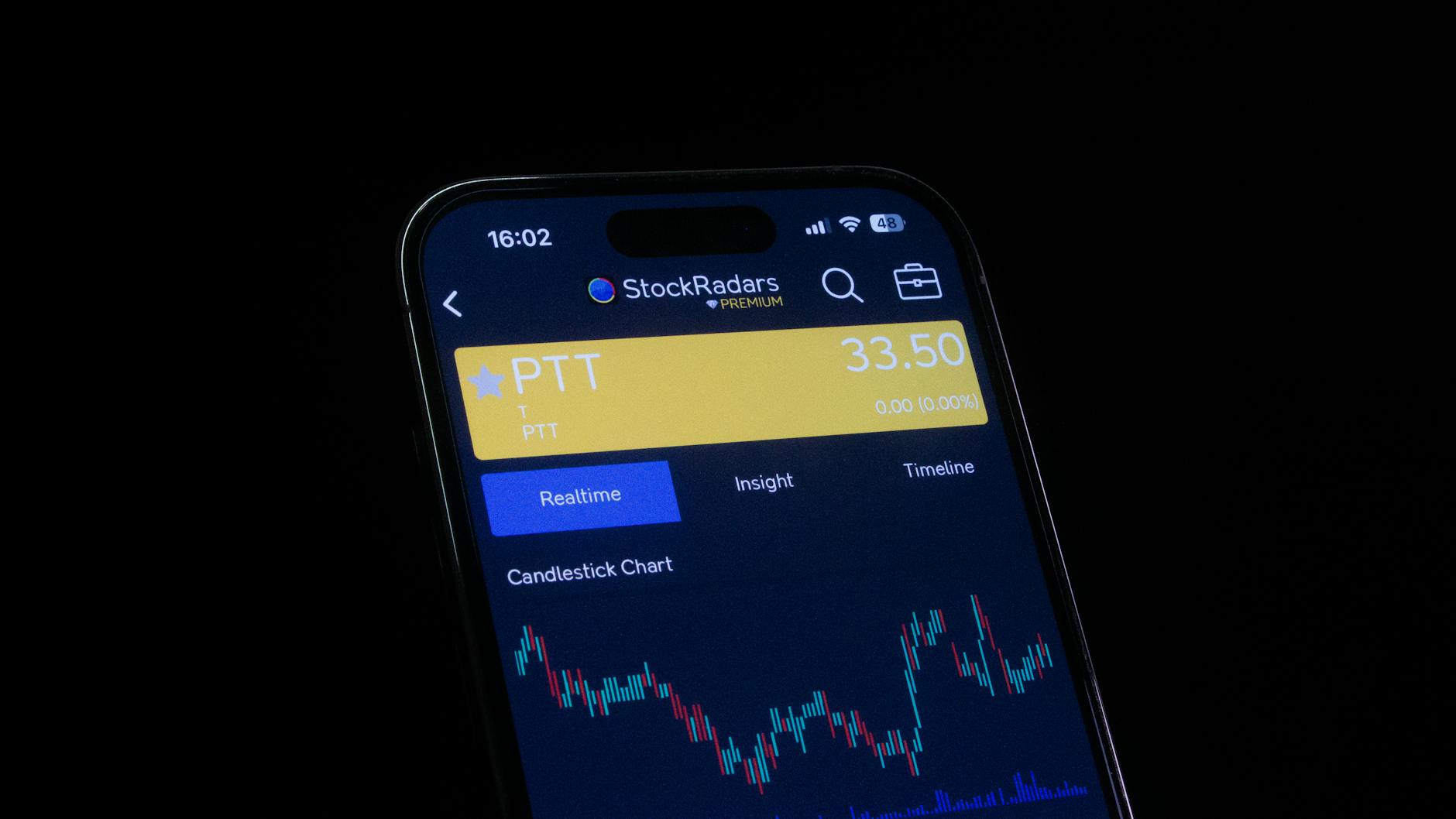
Besides technical measures, comprehensive risk management also encompasses internal policies for compliance and reporting. Maintaining meticulous records of trades, risk limits, and outcomes supports internal audits and external review processes.
In the context of official trading environments, implementing standardized risk management protocols aligned with industry best practices demonstrates operational discipline and promotes confidence among investors and regulatory bodies. These measures are vital for sustaining long-term profitability and operational resilience, especially when scaling trading activities across new markets or asset classes.
Monitoring and Evolving Trading Strategies
Market dynamics are inherently fluid, making it essential to continually evaluate and refine trading strategies and risk controls. Regular performance review sessions should analyze win/loss ratios, drawdowns, and profit margins to identify strengths and vulnerabilities.
Employing a systematic approach to adaptation—such as updating algorithms, incorporating new data sources, or adjusting position limits—ensures that the firm remains competitive. Furthermore, fostering an environment of ongoing education and technology upgrades helps keep the trading operation aligned with industry advancements and emerging risks.

8. Scaling and Growing the Prop Trading Business
As a prop trading operation matures, scaling effectively becomes crucial for sustained success and market competitiveness. This involves strategic initiatives centered on expanding trading activities, increasing capital deployment, diversifying into new markets and asset classes, and refining operational efficiencies. Each element requires careful planning and execution supported by robust infrastructure, sound risk management, and a deep understanding of market dynamics.
Expanding Trading Activities and Market Presence
To grow a prop trading enterprise, traders and managers should continuously explore opportunities to increase trading volume and diversify product offerings. This may include venturing into emerging asset classes such as commodities, cryptocurrencies, or fixed income instruments, alongside established equities and forex. Diversification not only enhances revenue streams but also mitigates risks associated with overexposure to a particular market segment.

Capital Augmentation Strategies
Increasing capital base is fundamental for scaling trading operations. This can be achieved through several methods, including reinvestment of profits, attracting external investors, or partnering with institutional firms that provide additional funding. Maintaining transparent reporting, consistent performance, and adherence to stringent risk protocols are essential for convincing stakeholders and investors of the firm’s stability and growth potential.
Operational Optimization and Technology Upgrades
Scaling efficiently requires investments in advanced trading technology, high-speed infrastructure, and data analytics. Automating order execution, integrating AI-driven analytics for predictive modeling, and deploying comprehensive risk management software help streamline operations and reduce manual errors. Technology upgrades not only improve execution speed but also provide valuable insights for strategic decision-making.
Building and Managing a Larger Team
As trading activity expands, developing a larger, multidisciplinary team becomes necessary. This includes hiring additional traders with diverse expertise, risk managers, compliance officers, and support staff. Implementing standardized training programs and establishing clear operational procedures ensure consistency and professionalism. Regular performance reviews and incentive structures motivate staff and foster a culture of continuous improvement.
Market and Regulatory Adaptation
Growing a trading enterprise involves navigating complex market environments and evolving regulations. Staying informed about changes in trading rules, compliance requirements, and global economic conditions is vital. Establishing dedicated compliance teams and engaging with industry associations can help maintain operational integrity and reduce the risk of regulatory issues.
Long-term Strategic Planning
Effective scaling is underpinned by comprehensive strategic planning that anticipates future market trends and technological developments. Regularly reviewing and adjusting business models, investment approaches, and risk controls allows the firm to adapt proactively. Incorporating scenario analysis and stress testing into planning processes further fortifies resilience against unforeseen market shocks.
By systematically expanding trading strategies, optimizing operations, and reinforcing organizational infrastructure, a prop trading firm can achieve sustainable growth and establish a formidable presence in competitive financial markets.